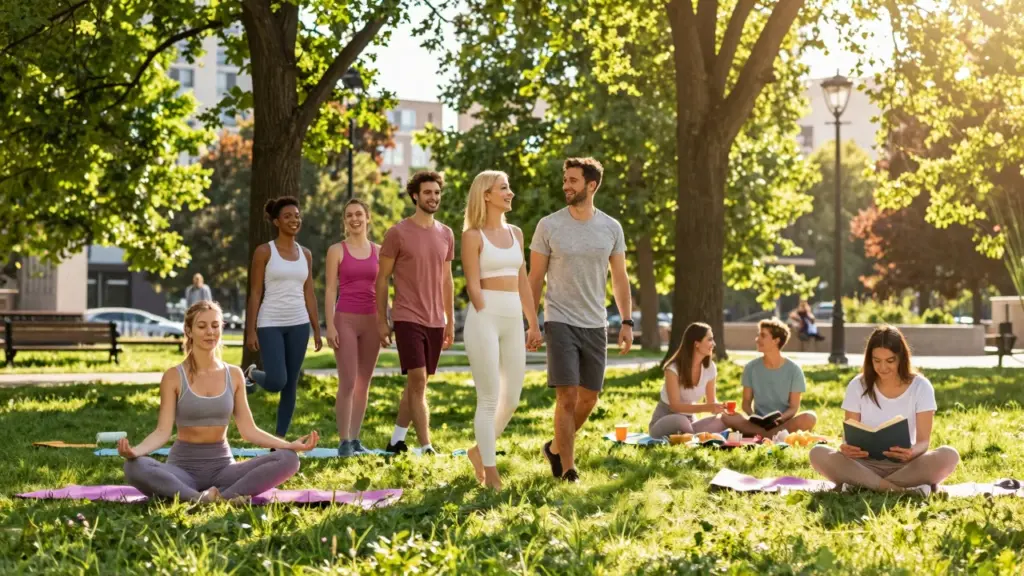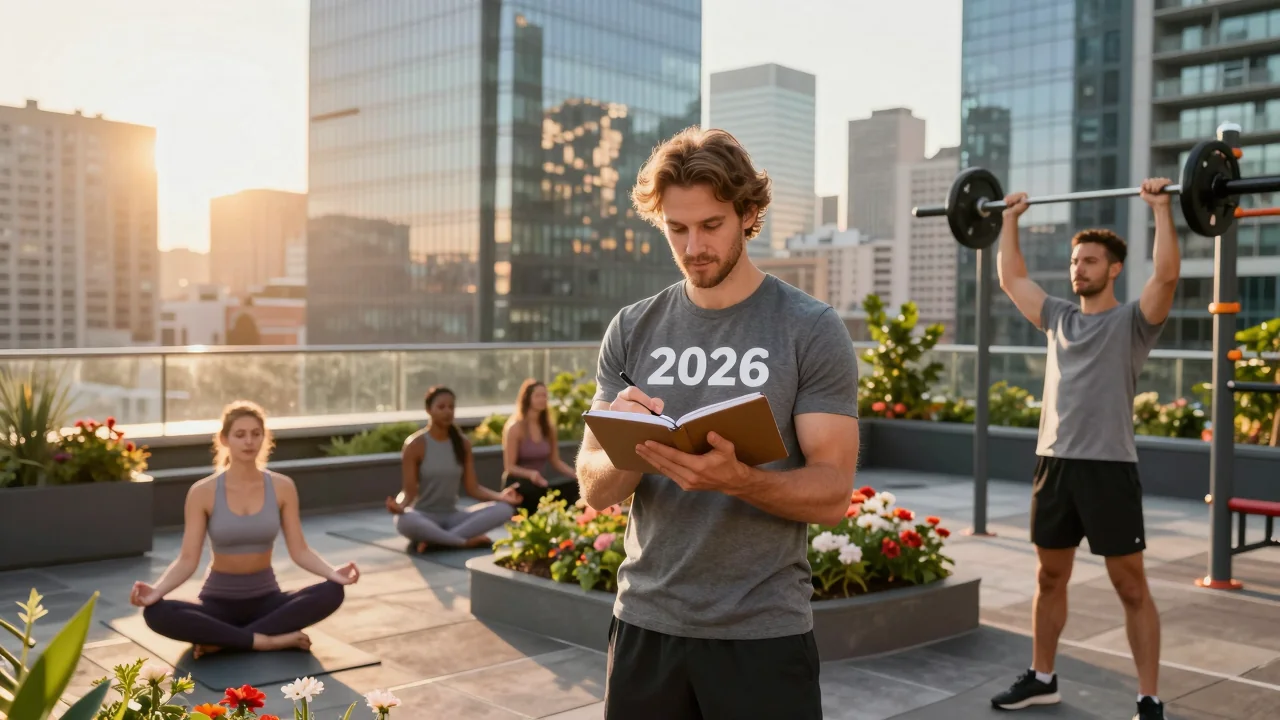
Forget what you’ve heard—becoming a better person isn’t about drastic overnight changes or perfection. It’s about small, consistent steps that add up over time. If you’re asking yourself how to become a better person in 2026, you’re already on the right track. Think of it like leveling up in your favorite game: progress comes from practice, not just wishful thinking. And just as fitness apps like Strava track your workouts, tracking your personal growth can keep you motivated.
Let’s be real—self-improvement isn’t one-size-fits-all. Maybe you want to be more patient with your kids, or perhaps you’re aiming to finally kick that procrastination habit. Whatever your goal, 2026 is the perfect year to make it happen. Research shows that people who set specific, measurable goals are 42% more likely to achieve them. So why not start today? Whether it’s journaling, taking an online course, or simply being kinder to yourself, every little effort counts. The journey to becoming a better version of you starts right here, right now.
How to Become a Better Person in 2026
Ever felt like you could be kinder, more patient, or just a bit better version of yourself? You’re not alone! The good news is that becoming the best version of yourself doesn’t require a complete overhaul—it’s all about small, consistent steps. Whether it’s through self-reflection, new habits, or even tech tools like the Apple Watch Series 10 (priced at $399), which tracks activity and mindfulness, you can start your journey to personal growth today.
Practical Steps for Self-Improvement
So, where do you begin? Here are some actionable steps to help you get started:
– Set Clear Goals: Write down what you want to achieve, whether it’s learning a new skill or improving relationships.
– Practice Gratitude: Keep a journal—like the Leuchtturm1917 Notebook (around $25)—to reflect on what you’re thankful for each day.
– Read More: Dive into self-help books like Atomic Habits by James Clear to gain fresh perspectives.
– Volunteer Your Time: Giving back to your community can boost your sense of purpose.
– Learn to Say No: It’s okay to set boundaries and prioritize your well-being.
Remember, growth isn’t about perfection—it’s about progress. For more tips on improving life quality naturally in 2026, check out Effective Ways to Improve Life Quality Naturally in 2026.
Building Positive Habits for Long-Term Success
Habits are the building blocks of personal growth. Think about it—how often do we rely on routines without even realizing their impact? Whether it’s waking up earlier with a Philips Wake-Up Light (around $150) or dedicating 10 minutes daily to meditation, small habits compound over time.
The key is consistency. Start with one habit and build from there—like drinking more water with a Hydro Flask (starting at $30) or taking short walks during breaks. Over time, these little changes add up to big transformations.
Cultivating Emotional Intelligence
So, you want to know how to become a better person? One of the most powerful tools at your disposal is emotional intelligence—the ability to recognize, understand, and manage your own emotions while also responding thoughtfully to those of others.
Understanding and Managing Your Emotions
Ever found yourself snapping at someone over something small, only to regret it later? That’s where emotional intelligence comes into play. It’s about pausing before reacting, taking a deep breath (maybe even using an app like Headspace Plus for guided mindfulness—just $12.99/month), and asking yourself, “Why am I feeling this way?” When you master this skill, you’ll handle stress better, make wiser decisions, and build stronger relationships.
“Emotional intelligence is the single biggest predictor of success in both personal and professional life.” — Travis Bradberry, Co-author of ‘Emotional Intelligence 2.0’
Empathy and Compassion: Key Traits for a Better Person
Think about the last time someone really listened to you—not just hearing your words but feeling what you were going through. That’s empathy in action, and it’s a game-changer when it comes to how to become a better person. Whether it’s offering a kind word to a colleague or lending an ear to a friend, small acts of compassion create ripples of positivity that make the world a little brighter.
Now, let’s talk about another crucial step in your personal growth journey…
The Power of Continuous Learning
Ever wondered how some people just seem to keep growing and improving, year after year? One of their best-kept secrets is embracing continuous learning—because let’s face it, 2026 isn’t the time to rest on your laurels. Whether you’re looking for ways on how to become a better person or aiming to boost your career, staying curious and open to new knowledge can make all the difference.
Lifelong learning doesn’t have to mean going back to school (though that’s great too!). It’s about cultivating a mindset where every day is an opportunity to pick up something new. Think of it like leveling up in a video game—each skill or piece of knowledge you gain makes you stronger and more adaptable.
Lifelong Learning as a Path to Growth
Why should lifelong learning be on your radar? For starters, it keeps your brain sharp. Studies show that engaging in new mental challenges can delay cognitive decline, which is a win-win for long-term health. Plus, the more you learn, the more confident and capable you feel in tackling everyday challenges.
And let’s not forget the professional perks! Employers in 2026 are looking for adaptable, skilled workers who stay ahead of industry trends. Whether it’s mastering a new software or learning a foreign language, continuous learning can open doors to promotions, better pay, and even entirely new career paths.
Utilizing Technology for Self-Education in 2026
Thankfully, technology has made self-education easier than ever before. Here are some of the best tools and platforms available right now:
- Khan Academy Plus – With its newly updated AI-driven learning pathways (now at just $9.99/month), it’s perfect for structured courses on everything from coding to philosophy.
- Coursera’s MasterTrack Certificates – Partnering with top universities, these programs offer deep dives into subjects like data science or digital marketing, with some starting under $500.
- Duolingo Max – For language lovers, this premium tier (now priced at $16.99/month) includes AI tutoring and role-playing exercises to make learning immersive.
- Brilliant.org’s 2026 Edition – This interactive platform teaches STEM concepts through puzzles and real-world applications, all for a one-time fee of $149.
- Skillshare’s Pro Version – At $19.99/month, it offers unlimited access to creative classes—think graphic design, writing, or even podcasting.
From AI tutors to virtual reality classrooms, the options are endless. The key is finding what excites you and sticking with it.
So, as we explore more ways to grow in 2026, let’s talk about how taking care of yourself isn’t just a luxury—it’s a necessity.
Nurturing Healthy Relationships
Have you ever felt like no matter how hard you try, your relationships still feel a bit rocky? Whether it’s with family, friends, or that special someone, knowing how to become a better person often starts with nurturing the connections around you.
Effective Communication Strategies
Communication isn’t just about talking—it’s about truly connecting. Start by actively listening. Put away distractions (yes, that means silencing your iPhone 15 Pro) and focus on what the other person is saying. Ask follow-up questions like, “How did that make you feel?” to show genuine interest.
Body language matters too! Maintain eye contact and nod occasionally to signal engagement. And when it’s your turn to speak, be clear and concise. No one wants a 10-minute rant about why their favorite Netflix show was canceled—unless they ask for it!
*“Effective communication is the cornerstone of strong relationships.” – Dr. John Gottman, Relationship Researcher
The Role of Boundaries in Personal Growth
Boundaries aren’t walls—they’re guidelines that help you and others respect each other’s needs. Ever feel drained after hanging out with someone who constantly vents about their problems? That’s a sign you might need to set some limits.
Try the “sandwich method” for tough conversations: Start with something positive, express your boundary clearly (e.g., “I’d love to help, but I only have 30 minutes today”), and end on an encouraging note. Remember, saying no isn’t selfish—it’s self-care!
Ready to dive deeper into personal growth? Let’s explore another key area: cultivating gratitude in everyday life.
Overcoming Challenges and Building Resilience
Let’s be real—2026 isn’t going to hand you an easy path to becoming a better person. Life throws curveballs, whether it’s a missed promotion, a failed relationship, or just feeling stuck in your routine. But here’s the good news: how you respond to these challenges makes all the difference. Resilience isn’t about avoiding obstacles; it’s about learning how to bounce back stronger each time.
Developing a Growth Mindset
Think of your brain like a muscle—it grows when you challenge it. A growth mindset is all about believing that your abilities and intelligence can improve with effort, not just innate talent. Ever heard of the book Mindset by Carol S. Dweck? She breaks it down perfectly: people with fixed mindsets believe their skills are set in stone, while those with growth mindsets see every failure as a stepping stone.
So, how do you cultivate this mindset? Start small:
– Reframe negative thoughts (e.g., “I can’t do this” → “I can’t do this yet“).
– Celebrate progress, not just perfection.
– Learn from critics—constructive feedback is a gift.
– Try new hobbies (like coding with the Raspberry Pi 5 for $75 or painting with Winsor & Newton Cotman Water Colors, which cost around $30).
– Read widely—books like Atomic Habits by James Clear can shift your perspective.
Strategies for Bouncing Back from Setbacks
Resilience isn’t something you’re born with; it’s a skill you build. When life knocks you down, how do you get back up? First, give yourself permission to feel disappointed—suppressing emotions only makes them stronger. Then, create a plan. Maybe that means breaking goals into smaller steps or using tools like the Toggl Track app ($10/month) to stay accountable.
Here are some practical ways to keep moving forward:
– Practice self-care (e.g., 20-minute meditations with the Headspace app).
– Connect with supportive people—surround yourself with those who lift you up.
– Write down lessons learned from past failures.
– Set realistic deadlines to avoid burnout.
– Reward yourself for small wins (like treating yourself to a $5 coffee after a productive day).
The key is consistency. Resilience isn’t about one big win—it’s about the daily choices you make to keep growing, even when it’s hard.
As we wrap up this topic, let’s shift our focus to another crucial part of self-improvement…
Wrapping Up: Your Journey to Becoming a Better Person in 2026
So, there you have it—your roadmap for how to become a better person this year! We’ve covered everything from practicing gratitude and kindness to stepping out of your comfort zone and embracing lifelong learning. It’s not about being perfect (because who is, really?), but about making small, intentional steps every day that add up to big changes.
Remember, growth isn’t a destination—it’s a journey. And in 2026, with so many opportunities around us, there’s no better time to start than now. Whether it’s improving your relationships, boosting your confidence, or simply being more present, these tips are here to guide you. So, what’s next? Pick one thing from this list and start today—your future self will thank you!