The Ultimate Bucket-List Music Festivals Every Young Person Needs to Experience
Discover the best music festivals for young people—unforgettable vibes, iconic stages, and life-changing experiences you need at least once.
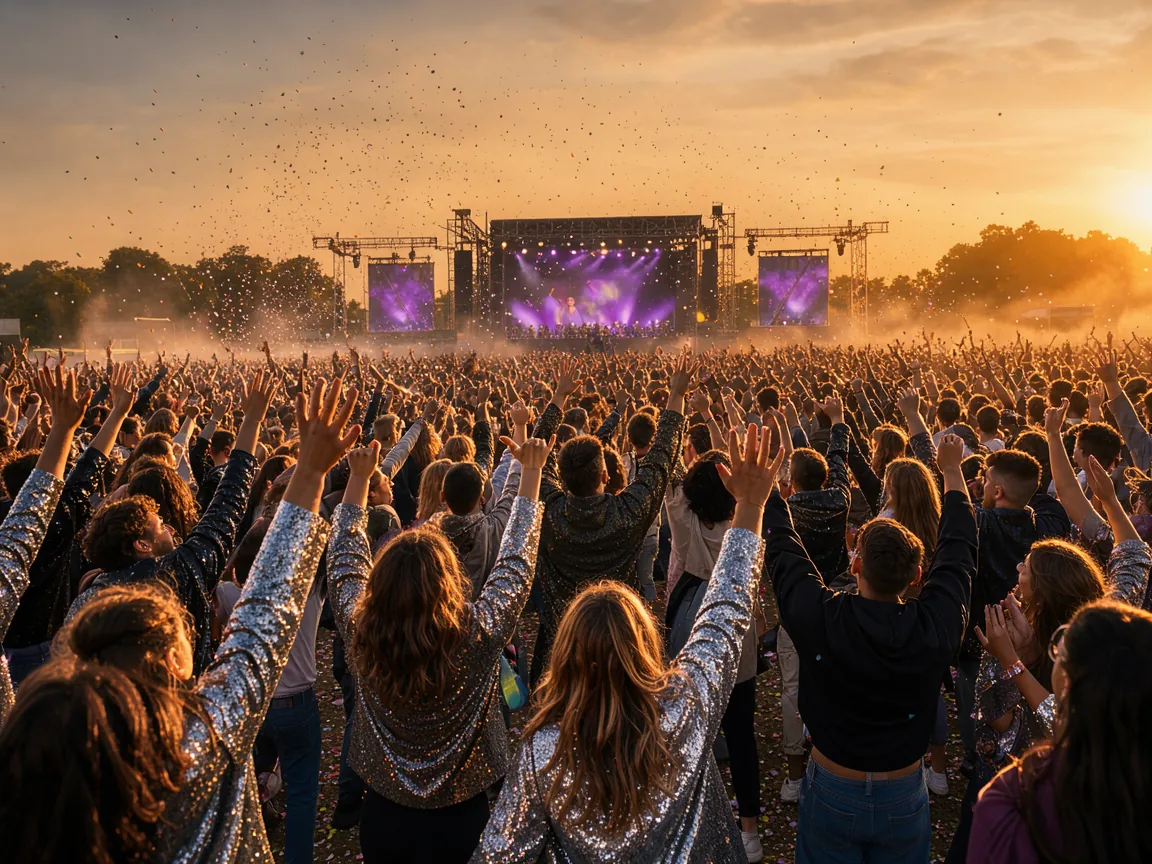
There’s a moment at every great music festival—when the bass drops, the crowd surges, and you realize you’re part of something bigger than just a concert—that changes how you see the world. For young people, these sprawling, multi-day celebrations of sound and community aren’t just events; they’re rites of passage that test your stamina, expand your taste, and forge friendships that outlast the wristband. But navigating your first major festival can feel overwhelming, from budgeting and packing to dodging crowds and staying safe. This guide walks you through every essential step—choosing the right lineup, prepping your gear, and mastering the social and musical highlights—so you can skip the rookie mistakes and dive straight into the magic. By the end, you’ll have the advanced strategies to turn a good trip into an unforgettable one, and a bucket list you’ll actually conquer.
Choosing Your First Festival Experience
Your first music festival is a rite of passage. Yet with so many options, where do you start? The secret isn’t chasing the biggest name—it’s finding the event that feels tailor-made for you.
Matching Your Music Taste and Vibe
Get honest about what you want from the weekend before committing. If one genre dominates your playlists, a specialized event may fit best. Electronic festivals pulse non-stop with immersive light shows and late-night sets; rock and metal gatherings crackle with raw, communal energy. Hip-hop festivals blend live performances with street-culture flair. Multi-genre mega-festivals, meanwhile, offer a buffet of discovery—catch a rising indie band at noon, a legendary pop act at sunset. Dig into past lineups, not just headliners. Festivals that consistently book deep benches of mid-tier and emerging acts deliver more value than those spending everything on three superstars. Crowd culture matters just as much. Some festivals are glorified parties where music soundtracks socializing; others lean into art installations, wellness workshops, and dawn yoga; a few cater strictly to die-hards camping at the main stage all day. Watch recap videos and read attendee reviews to find your tribe.
Understanding Costs and Ticket Tiers
Money trips up many first-timers. A general admission multi-day pass typically runs $150 to $500, depending on prestige and location. Camping usually costs extra—$50 to $150 per site. Early-bird tickets save significantly but sell out fast and are non-refundable, so commit only if certain. Standard release rates offer more flexibility. Then comes the hidden math: travel, food (festival meals easily hit $15 to $25 per meal), and gear like tents, coolers, and comfortable shoes. VIP tiers cost two to three times more, offering shaded lounges, premium viewing areas, and nicer bathrooms. Yet for your first time, they rarely transform the experience. You’ll spend your days wandering stages and soaking in the atmosphere, not lounging. Save that upgrade for your second or third festival, when you know exactly what you’re paying for.
Preparing for the Festival Environment
Packing for Variable Weather and Long Walks
The single biggest mistake first-timers make is assuming a festival will mirror the forecast they checked at home. The reality? Sun, rain, wind, and cold nights—sometimes all within the same afternoon. The solution is not to pack for the weather you want, but for the weather that will actually happen. Layering is your best friend: a breathable t-shirt under a lightweight hoodie, topped with a waterproof shell you can tie around your waist when the sun returns. Leave the brand-new sneakers at home. You will walk miles daily, often on uneven grass or gravel, so bring comfortable, broken-in footwear that can handle mud and moisture. Blisters will ruin more weekends than bad lineups.
Your daypack is your lifeline. Fill it with a reusable water bottle (hydration stations are everywhere, but single-use plastic is not), high-SPF sunscreen, earplugs—your future hearing will thank you—and a portable charger. If you are camping, add a tent, a sleeping bag rated for cooler nights, and a small lock for valuables. But here is the trick: keep the total weight manageable. You are not hiking a mountain; you are carrying a home on your back across a field. If you cannot lift your pack easily over your head, you have packed too much.
Navigating Crowds, Stages, and Schedules
Once the official schedule drops, treat it like a battle plan. Print or screenshot the stage map and the daily timetable, then circle your must-see acts in one color and your optional ones in another. Do not attempt to see everything—that is a rookie error that leads to sprinting, stress, and missing the magic. Arrive at least twenty minutes early for popular headliners if you want a decent view, but accept the hard truth: moving between stages takes far longer than the map suggests, especially when crowds swell between sets.
Phone service will fail you exactly when you need it most. Before you split up with friends, agree on a physical meeting point—a distinctive flag, a food stall, a landmark—and a backup time to regroup. Finally, plan your food and hydration around the music, not the other way around. Eat a proper meal before the evening rush, and sip water steadily throughout the day. A mid-afternoon crash from dehydration or an empty stomach will turn the best set of your life into a blur of dizziness. Pace yourself, and the weekend will pace you right back.
Maximizing Music Discovery and Social Connection
Finding New Artists Beyond the Headliners
The biggest names draw the crowds, but a festival’s true magic lives in the margins. Before you pack your tent, download the official app or pull up the curated playlist, then spend an evening sampling the mid-tier and emerging acts scattered across the lineup. Shortlist three to five names you’ve never heard of, and commit to seeing at least one unknown artist per day. Treat those sets as non-negotiable appointments with your future self. When you have a gap between the acts you came for, skip the overpriced drink and wander toward the smaller stages instead. The tent stages, late-night barns, and tucked-away acoustic corners consistently host the weekend’s most electric, intimate, and surprising performances. The sound might be rougher and the crowd thinner, but that’s where you’ll witness something raw and unrepeatable. Discovering a future favorite before they blow up is a core festival thrill—and it gives you bragging rights for years.
Meeting People and Building Group Dynamics
A festival is one of the few places where thousands of strangers are actively hoping to be approached. Strike up conversations in the food queue, while filling your water bottle, or during the lull between sets. A simple “Who are you most excited to see?” opens doors faster than you’d think, and most attendees are refreshingly open to new friends. If you’re arriving with a group, agree on flexible meeting rules before you enter the gates—designate a landmark for regrouping, set a loose daily check-in time, and accept that splitting up is normal, often necessary. Trying to keep seven people together through a muddy crowd is a recipe for frustration. For solo attendees, the experience can be even richer if you lean in. Join the festival’s official camp community, or search for fan-run groups on social media weeks ahead to find companions who share your taste. A shared campsite, a communal fire, or a group chat of new friends can turn a solo trip into a family reunion you never knew you needed.
Handling Food, Drink, and Festival Logistics
Navigating Payment Systems and Alcohol Policies
Cash and cards are largely a thing of the past at major festivals. Instead, you’ll load funds onto a cashless wristband or buy tokens at kiosks scattered across the grounds. Convenient? Absolutely. But it’s also a slippery slope—tracking your spending becomes nearly impossible. Set a strict daily budget before you arrive. Think through how many meals, coffees, and drinks you’ll realistically want, then pre-load only that amount. Once it’s gone, it’s gone. This simple trick spares you the 3 a.m. regret of a €60 burrito-and-beer binge. Alcohol rules vary wildly. Some festivals allow you to bring your own drinks into the campsite but ban them in the main arena. Others sell beer exclusively in designated gardens, and a growing number cap how many drinks you can buy per trip. Always check the official rules on age limits—often 18 or 21, depending on the country—and what you can carry through the gates. A reusable water bottle is non-negotiable, but confirm whether it must be empty on entry. Many venues now offer free refill stations, saving you €4 to €6 per bottle.
Managing Camping and On-Site Amenities
Camping? The early bird gets the spot. Arrive the moment gates open to claim flat, shaded ground away from the portable toilets and main walkways—both will keep you up all night. Before pitching your tent, walk the site to find showers, toilet blocks, and water refill stations. Mark them on your phone’s map; it’ll save hours of wandering. Pack earplugs; festival nights stay loud well past sunrise. Bring a small camping stove or ready-to-eat meals like peanut butter sandwiches, nuts, and instant noodles. Peak-hour food lines can stretch 45 minutes or more, and €9 to €14 per festival burger adds up fast. Non-campers, book hotels, hostels, or Airbnbs without delay. Prices spike as the event nears—rooms can jump from €80 to €200 per night within weeks. Reserve months ahead, or stay in a neighboring town and take the shuttle bus. It’s usually cheaper and far more reliable than ride-shares.
Staying Safe, Sustainable, and Responsible
Protecting Your Health and Belongings
A multi-day festival is a marathon, not a sprint. The euphoria of a headline set can make you forget your body’s basic needs, but neglecting them will ruin your weekend. Drink water even when you’re not thirsty—heatstroke and dehydration top the list of reasons people end up in the med tent. Eat proper meals, not just festival fries, to sustain your energy. Pace yourself with any substances; sunrise sets are just as magical when you’re clear-headed enough to remember them.
Your valuables face risk in a crowd of thousands. Keep your phone, wallet, and ID zipped in a front pocket or a money belt under your clothing. If lockers are available, rent one—they’re worth the modest fee for storing your passport or extra cash. Before diving into the music, locate the medical tents and emergency exits at each stage. And never leave your drink unattended, even for a moment. If you lose sight of it, buy a new one. Your safety outweighs the cost of a beer.
Reducing Your Environmental Footprint
Festivals celebrate community and creativity, but carelessness can leave a heavy mark on the land. Almost every major event now has clearly labeled recycling and compost stations—use them. Bring a reusable cup or collapsible water bottle; many festivals offer discounted refills or free water points, saving you money and cutting single-use plastic. If you’re driving, check for carpool matching apps or free shuttle buses from nearby cities. Public transport isn’t just greener—it also spares you festival traffic and parking fees.
When camping, treat the ground with respect. Pack out everything you bring in, from tent pegs to cigarette butts. Leave your campsite cleaner than you found it, picking up stray litter even if it isn’t yours. Some festivals reward eco-conscious behavior with perks like priority entry or merch discounts. That small effort ensures the fields, beaches, or forests you love remain for the next generation of first-timers.
The Takeaway
A first festival transcends the music. It’s a crash course in community, self-care, and surrendering control. You might dance through a desert sunrise or bond with strangers over a shared chorus—either way, these moments linger long after the tents come down. Pack your essentials, but stay loose enough to chase the unexpected. Embrace the chaos, guard your well-being, and let the crowd sweep you along. The next move is easy: choose one festival, circle the dates, and say yes.
Frequently asked questions
What makes a music festival worth experiencing at least once in your youth?
The best festivals combine a transformative atmosphere with a diverse lineup, offering a chance to discover new music, meet like-minded people, and create lasting memories. Look for events with strong community vibes, immersive art, and camping or multi-day options that let you fully disconnect from daily routines.
How do I choose the right festival if I'm on a tight budget?
Prioritize smaller regional festivals over mega-events, as they often have lower ticket prices and cheaper on-site food and drink. Also consider volunteering or buying early-bird tickets, which can cut costs by 30% to 50% compared to last-minute purchases, and always factor in travel and camping gear expenses.
What should I pack for a multi-day outdoor festival?
Essentials include a sturdy tent, earplugs, a reusable water bottle, sunscreen, a portable phone charger, and comfortable shoes that can handle mud or dust. Pack layers for unpredictable weather, plus a small first-aid kit and cash, since ATMs often charge high fees and card signals can be spotty.
Are there festivals that are especially welcoming to first-time attendees?
Yes, many boutique festivals with 5,000 to 15,000 attendees offer a more intimate and friendly vibe, making it easier to navigate and meet people. Look for events that provide clear maps, on-site info tents, and community activities like yoga or workshops, which help break the ice for newcomers.
How can I enjoy a festival without overspending on food and drinks?
Bring your own sealed water and non-perishable snacks, but note that many festivals restrict outside alcohol and glass. Budget for meals at vendors, which typically range from $8 to $15 per item, and consider sharing large portions with friends to keep costs down while still trying local specialties.
What's the best way to handle crowds and long walking distances at large festivals?
Wear a small backpack with only your daily essentials, and set a meeting point with your group in case you get separated. Use the festival app or paper map to plan stage routes in advance, and take breaks in shaded or quieter zones to avoid sensory overload.
Are there any safety tips specific to young people at music festivals?
Always stay hydrated, use earplugs near main stages, and keep your phone fully charged with emergency contacts saved offline. Agree on a buddy system, never accept drinks from strangers, and know where the medical tents and security checkpoints are located before dark.
Can I attend a festival solo, and how do I make friends there?
Solo festival-going is increasingly common and can be a liberating experience, as you set your own schedule. To connect with others, camp in communal areas, join group activities like silent discos or art installations, and strike up conversations during set changes—most people are open to meeting new friends.
What is the ideal age range to experience these festivals, and does it matter?
There’s no strict age limit, but your late teens to mid-twenties are often ideal because you have more energy and flexibility for camping, all-night dancing, and spontaneous adventures. That said, festivals are for everyone, and going in your early thirties can be just as rewarding if you prioritize comfort and rest.