The Ultimate First-Timer’s Packing List for Music Festival Season
Never miss a beat at your first fest! This ultimate packing list covers all the music festival essentials—from gear to gadgets—so you stay comfy, prepared, and ready for nonstop fun.
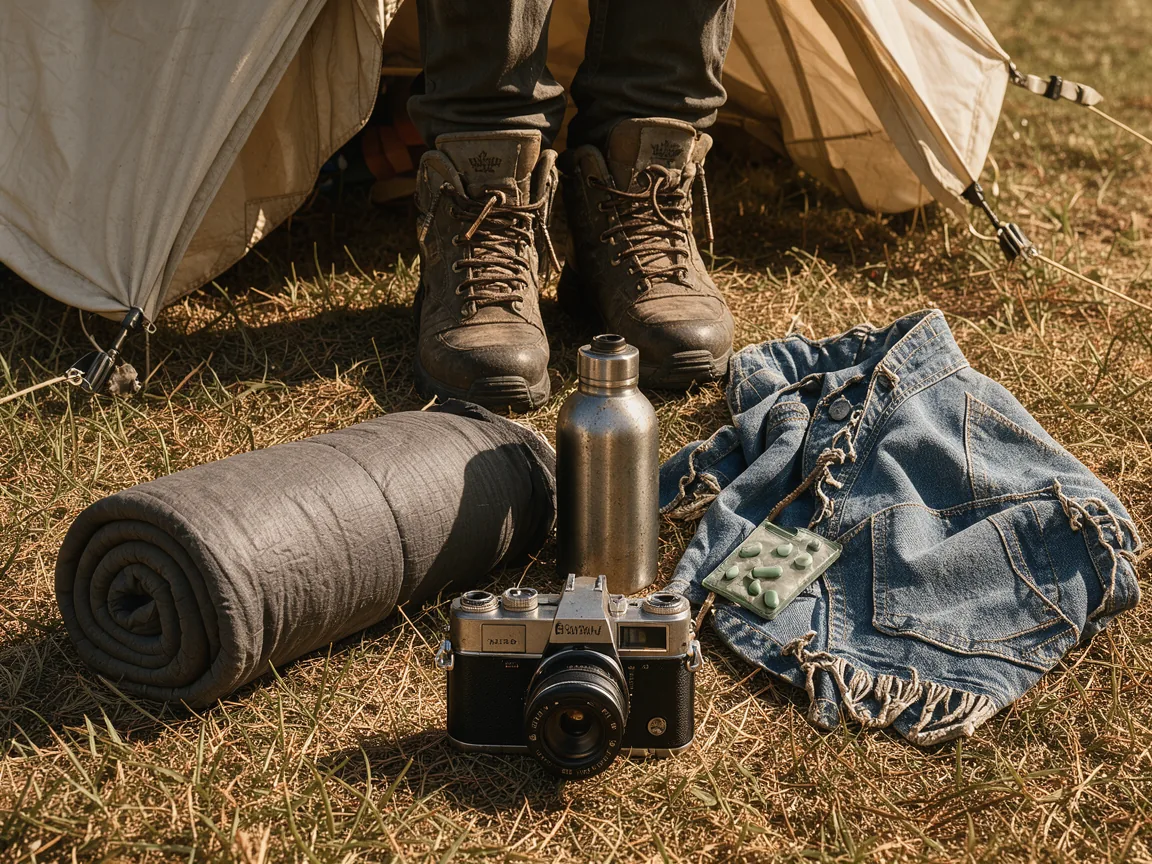
Your first music festival hits all your senses at once—sound, art, energy. But show up unprepared, and it turns into a logistical nightmare fast. Scorching sun, sudden downpours, miles of walking: the line between a legendary weekend and a miserable one is what you pack. This guide covers every essential for a multi-day outdoor event, from footwear and breathable layers to camping gear and safety must-haves. You’ll also pick up practical strategies for navigating massive grounds, handling unpredictable weather, and staying comfortable in dense crowds. By the end, you’ll pack with confidence—and focus on what truly matters: the music and the memories.
Getting Started with Your Festival Packing Strategy
Understanding the Festival Layout and Daily Demands
Before you zip a single bag, study the festival’s footprint. Most major events sprawl across hundreds of acres, and you’ll routinely log miles of walking each day just to move between the parking lot, your campsite, the main stage, and the food vendors. That distance adds up fast—especially with crowds, uneven terrain, and the midday sun. Your strategy hinges on a simple division: a small, lightweight daypack for what you carry on your body, and a larger duffel or suitcase that stays locked in the car or pitched at your tent. The daypack is your lifeline. It holds sunscreen, a refillable bottle, a portable phone charger, a light rain shell, and your wallet. Choose one with padded shoulder straps and a sternum clip to distribute weight evenly—a flimsy tote will turn into a torture device by hour three. Footwear deserves equal scrutiny. Broken-in shoes with solid arch support are non-negotiable; new boots or thin canvas sneakers will blister you within the first set. Consider cross-training shoes or trail runners you’ve already worn on at least two long walks. If the forecast suggests mud, pack a second pair of waterproof sandals or cheap wellies—but never break them in on site.
Checking the Event’s Specific Rules First
Here’s where most first-timers stumble: they pack based on assumptions, not facts. Every festival publishes its own prohibited items list, bag size limits, and entry policies, and they vary wildly. One event might allow sealed water bottles and small folding chairs; the next bans both and requires clear plastic bags only. Before you pack a single item, pull up the official website or download the festival’s app, and read the FAQ and “Know Before You Go” sections. Pay special attention to rules about outside food and drink, camera lenses longer than a few inches, and whether you can bring a blanket or tarp into the main stage area. Some events permit empty refillable bottles, others do not. Some allow small backpacks, others cap bag dimensions at a strict 12” x 6” x 12”. Ignoring these details means either confiscating your gear at the gate or trudging back to camp to stash a banned item.
The golden rule: pack for what the festival allows, not what you assume is standard—rules vary widely between events.
Write out your packing list only after you’ve cross-referenced every item against that official list. It saves you time, money, and a huge dose of frustration at the entrance line.
Core Clothing and Footwear for All Weather
Dressing in Layers for Sun, Rain, and Cold Nights
Outdoor festival weather is a master of deception. You arrive under a blazing midday sun, only to shiver in a damp field by ten o’clock as the wind picks up and the temperature plummets. The golden rule is layering—done with intention, not by grabbing whatever’s nearest. Start with a breathable base layer: lightweight merino wool or a moisture-wicking synthetic tee that keeps sweat off your skin. Over that, add a mid-layer like a hoodie, fleece, or soft flannel you can tie around your waist when the heat peaks. Your top layer should be a waterproof shell or compact poncho; umbrellas have no place at a festival, but a sudden downpour will ruin cotton in minutes. For sun protection, a wide-brimmed hat shading your neck and ears is non-negotiable, paired with polarized sunglasses that cut glare from stage lights and open fields. Apply high-SPF, water-resistant sunscreen liberally and reapply every couple of hours—your future self will thank you. And no matter how warm the afternoon feels, always carry a warm layer for after sunset; a packable puffy jacket or thick knit beanie can mean the difference between enjoying the headliner and retreating to your tent early.
Choosing Footwear That Survives Long Days
Your feet are your most loyal festival companions—and they’ll punish poor decisions. Never bring new shoes to a festival, under any circumstance. Blisters are inevitable, and broken-in footwear is your only defense. Choose closed-toe sneakers or hiking shoes with aggressive grip; festival grounds turn to mud, dust, or uneven grass with little warning. Pack a second pair to alternate across days, letting each dry out and rest to prevent friction hotspots. A dedicated pair of sandals or flip-flops handles campsite showers and tent-side relaxation, keeping your main shoes clean for the main stage. Below is your non-negotiable footwear kit:
- One pair of broken-in walking shoes or sneakers
- One pair of sandals or flip-flops for campsite showers and relaxing
- Blister prevention supplies: moleskin, blister bandages, and wool socks
Wool socks—not cotton—are the unsung hero here. They wick moisture, cushion your heels, and prevent the rubbing that turns a long day into agony. If you feel a hot spot forming, stop and apply moleskin immediately; waiting only makes it worse. Rotate your shoes daily, and your feet will carry you through every set, every crowd surge, and every late-night walk back to camp.
Hydration, Food, and Daily Carry Essentials
Staying Hydrated Without Waiting in Long Lines
A refillable water bottle or hydration pack is your lifeline, not a luxury. Free refill stations are common at most festivals, but they draw long queues right when you need them most—think mid-afternoon heat. Beat the rush by filling up during off-peak moments: when gates open, during a headliner you can skip, or between main-stage sets. Pack at least one liter per person daily; with a hydration pack, aim for two liters to minimize breaks from the music. Sealed water bottles usually pass into the main arena, but rules vary—some venues demand empty containers, others ban glass. Check official policies beforehand, and when unsure, bring a collapsible bottle that slips into your pocket. Add electrolyte powder or tablets to your gear; plain water won’t sustain you through hours of dancing and sun.
Snacks and Food Strategies for the Festival Grounds
Outside food and drinks are typically barred from the main event area, yet sealed snacks almost always make it into your daypack. Granola bars, nuts, trail mix, and dried fruit are your best allies—calorie-packed, melt-proof, and resilient against bag-bottom squashing. Camping festivals offer more leeway: stock non-perishables like instant oatmeal, peanut butter, and canned beans, plus a small cooler for cheese or yogurt. But don’t go overboard—buying some meals on-site supports local vendors and spares you from hauling heavy loads across dusty fields. Keep a small reusable container for permitted items, portioning snacks without generating trash. And a sealed bag of jerky can be a savior when you’re trapped in a crowd, with the nearest food stall a twenty-minute trek away.
- Sealed snacks: granola bars, nuts, dried fruit
- Electrolyte powder or tablets to add to water
- A small reusable container for any allowed food items
Safety, Health, and Comfort in Crowds
Protecting Your Hearing and Sleep
Most first-timers underestimate the volume. Festival speakers push sound deep into your chest—and hammer your inner ear just as hard. Tinnitus, that persistent ringing, isn’t a badge of honor; it’s a permanent souvenir nobody wants. Earplugs are non-negotiable. Foam pairs are cheap, disposable, and perfect for sleeping, but they turn music into a dull thump. For the stages, invest in reusable silicone or filtered earplugs. They cut harmful decibels while keeping vocals and guitars crisp. Expect to pay €15 to €40 per pair, and they’ll last years if stored in a small case. Bring two distinct pairs: one for the pit, one for your tent. Sleeping at a festival is a battlefield of late-night bass, zipped tents, and 6 a.m. chatter. A dedicated sleep pair lets you block the chaos and recover for tomorrow’s lineup. Label the cases with a sharpie so you never grab the wrong pair at 2 a.m. and wake up with wax-packed discomfort.
Building a Practical First-Aid Kit
Medical tents handle emergencies, severe dehydration, and injuries—not blisters from the third act. For the small stuff, you’re your own first responder. Pack a small, waterproof pouch, about the size of a sunglasses case. Inside: ten to twelve adhesive bandages in assorted sizes, a roll of medical tape, antiseptic wipes, a small tube of antibiotic ointment, and blister treatment like moleskin or hydrocolloid pads. Add pain relievers—ibuprofen or paracetamol—in their original packaging, plus any daily medications. Safety pins are a must; they fix ripped straps, broken zippers, and can secure a bandage in a pinch. Wear glasses? Toss in a tiny screwdriver.
A well-stocked first-aid kit isn’t for major injuries—it’s for keeping small problems from ruining your day.
A blister, left alone, turns every step into agony by hour five. A headache, ignored, sours the entire set. Reapply sunscreen every two hours, not just in the morning, and drink water even when you’re not thirsty. In a crowd of thousands, your comfort starts with the unglamorous items you never think about until you need them.
Camping Gear and Power Solutions for Multi-Day Festivals
Setting Up a Rain-Ready Campsite
Your tent is your sanctuary after twelve hours of dancing—treat it like the most important piece of gear you own. Rain is almost a given at festivals, so your tent must be rated for wet weather. Look for a bathtub-style floor, taped seams, and a rainfly that reaches close to the ground. A cheap pop-up tent might tempt you, but a soaked sleeping bag will ruin your entire weekend. Before you pitch, lay down a ground tarp slightly smaller than your tent’s footprint. This simple layer stops groundwater from seeping through and keeps the underside clean.
Inside, your sleep system matters just as much. Nighttime temperatures can drop sharply even in summer, so pack a sleeping bag or blanket rated for the coolest forecast, not the warmest. A sleeping pad or air mattress is non-negotiable—festival grounds are hard, lumpy, and often damp, and you will not recover for day two without proper cushioning. Also, campsites rarely offer shade. By mid-morning, a tent becomes an oven. Bring a lightweight canopy or large tarp with poles and stakes to create a shaded hangout area. This will be your refuge during peak sun hours, where you can eat, hydrate, and recharge before heading back to the stages.
Keeping Your Devices Charged Without On-Site Hassles
On-site charging stations are a myth of convenience. They exist, but they are overcrowded, slow, and often require waiting in line while your phone sits unattended. A fully charged power bank is non-negotiable. Choose one with at least 10,000 mAh capacity—enough to top up a modern smartphone two or three times. Charge it completely before you leave home. For a multi-day festival, one power bank will not cut it. Consider a solar charger for daytime top-ups, or pack a second, smaller power bank as a backup. To stretch your battery further, keep your phone on low-power mode, disable background app refresh, and turn off Bluetooth and location services unless absolutely necessary. You will be taking photos, messaging friends, and checking set times, so every percentage counts.
- One high-capacity power bank (10,000 mAh or more)
- A second smaller power bank for backup
- A short charging cable and a wall adapter for campsite outlets
Mastering this packing list keeps you comfortable, safe, and ready for anything the festival throws your way—so you can focus on the music and the memories. The right gear eliminates small stresses like sunburn, blisters, or a dead phone that might otherwise distract you. Your next step is simple: gather these essentials a few days before you leave, double-check your bag against the list, and head out with confidence. The goal isn’t to pack perfectly, but smartly enough that you never think about your belongings again. Now go enjoy the show—you’ve got everything you need.
Frequently asked questions
What is the single most important item to pack for my first music festival?
Comfortable, broken-in footwear is non-negotiable—you’ll be on your feet for 10+ hours daily. Choose closed-toe shoes with good arch support, like sneakers or sturdy boots, and avoid new shoes that haven’t been tested. Bring a second pair to alternate, as blisters can ruin your entire weekend.
How should I protect myself from the sun without carrying a heavy load?
Pack a wide-brimmed hat, polarized sunglasses, and a high-SPF sunscreen that’s water-resistant and easy to reapply. A lightweight, packable sun hoodie or long-sleeve shirt offers better coverage than reapplying lotion every two hours. Don’t forget lip balm with SPF—sunburned lips are a common festival mistake.
What's the best way to stay hydrated and avoid overpaying for water?
Bring a collapsible or reusable water bottle (most festivals have free refill stations) and a hydration backpack if you plan to dance heavily. Freeze a bottle of water the night before—it thaws slowly and doubles as a cold pack. Electrolyte tablets or powder packets are compact and help replace salts lost through sweat.
What should I pack for unexpected weather changes?
A compact, packable rain poncho or a lightweight waterproof shell is essential, even if the forecast looks clear. Bring a small, dry-bag or zip-lock to protect your phone, wallet, and spare socks from sudden downpours. A thin, warm layer like a fleece or hoodie is smart for chilly evenings after the sun sets.
How do I keep my phone charged for the whole festival?
Carry a high-capacity power bank (at least 10,000 mAh) and a short charging cable—long cables are awkward in crowds. Put your phone in airplane mode or low-power mode during sets to save battery, and charge it during early afternoon when you’re less active. Some festivals offer lockers with charging ports, but they book up fast, so don’t rely on them.
What hygiene and sanitation items are absolute must-haves?
Pack travel-sized wet wipes, hand sanitizer, and a small roll of toilet paper—porta-potties often run out by mid-day. Include a mini deodorant, toothbrush/toothpaste, and a pack of tissues for quick cleanups. For women, a menstrual cup or extra tampons are lighter and more reliable than relying on festival vendors.
How can I keep my belongings safe while dancing or in crowds?
Use a small crossbody bag or a fanny pack worn in front of you, never a backpack that’s easy to pickpocket. Keep only your ID, a card, and a backup phone in a zippered interior pocket, and leave valuables locked in your car or a festival locker. A simple carabiner to clip your bag to your belt loop adds extra security during mosh pits.
What food and snack items are worth bringing from home?
Pack non-perishable, high-energy snacks like trail mix, granola bars, jerky, and peanut butter packets—they save you from $10 festival burgers. Bring a reusable utensil and a small container of electrolyte mix or instant coffee. Check the festival’s outside-food policy first, but most allow sealed snacks; avoid anything that melts or crushes easily.
Are there any 'survival' items that first-timers often forget?
Earplugs are critical—both for protecting your hearing at loud stages and for sleeping in a noisy campsite. Pack a small first-aid kit with blister bandages, pain relievers, and allergy meds. A headlamp or small flashlight is invaluable for navigating dark paths and finding your tent at night, plus a bandana can serve as a dust mask, headband, or cooling cloth.