10 Themed Party Ideas Your Friends Will Still Be Talking About a Year Later
Throw an unforgettable bash with 10 creative themed party ideas your friends will rave about for a year. Tips to make every gathering epic.
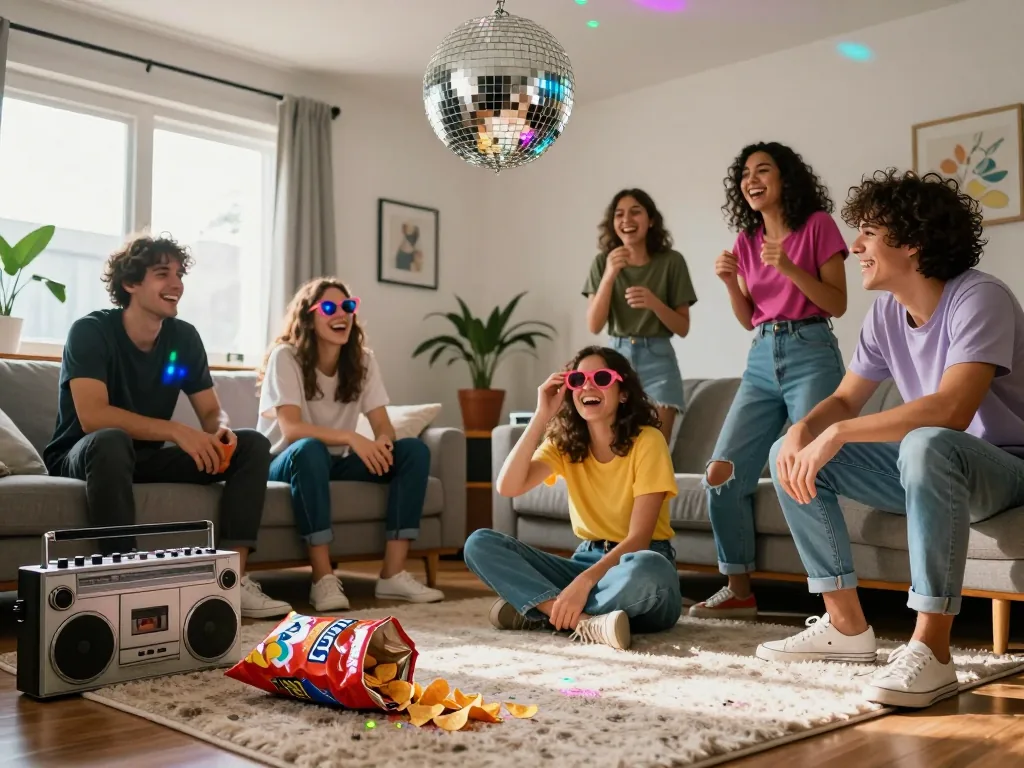
Forget the same old dinner parties and predictable get-togethers. The secret to creating memories that last isn’t just good company—it’s a killer concept that turns an ordinary night into an unforgettable story. This guide will walk you through ten inventive themed party ideas designed to spark genuine excitement, encourage creative participation, and ensure your friends are still laughing about that one incredible night long after the decorations come down. Get ready to become the host everyone hopes will send the next invitation.
Why a Single-Concept Theme Wins Every Time
The most memorable parties feel intentional, not chaotic. Walk into a room and immediately know what world you’ve stepped into—whether it’s a 1920s speakeasy, a Wes Anderson movie set, or a backyard alien crash site—and your brain locks onto that hook. That clarity makes an event stick in your friends’ minds for a year. A single, clear theme gives guests a mental shortcut: they instantly understand the vibe, the dress code, and the energy to bring. For you as the host, it simplifies every decision. The playlist writes itself—only jazz for a noir night, only synthwave for a retro arcade party. The snack table becomes a puzzle to solve within your theme, not a random assortment of chips and dip. And the decorations stop feeling like clutter and start feeling like a set. Avoid the temptation to mash up ideas. “Tropical Disco Noir” sounds clever in theory, but in practice it leaves guests confused, costumes mismatched, and the room feeling like three parties colliding. Pick one world and commit fully. That commitment transforms a gathering from a casual hangout into an event people reference for months.
Choosing a Theme That Fits Your Group’s Vibe
The best theme isn’t the one with the most Pinterest pins—it’s the one that makes your specific friend group light up. Think about your shared inside jokes, the movie you all quote, or the decade you collectively romanticize. Maybe your crew is obsessed with The Great British Bake Off: a “Great British Garden Party” theme with scones, cucumber sandwiches, and a blindfolded taste test fits naturally. Or perhaps you all bonded over a terrible 2000s rom-com marathon—lean into that. The key is authenticity. Force a theme nobody actually cares about—like a Gatsby party when your friends would rather be in pajamas playing board games—and the energy will feel hollow. The right theme excites you to plan and makes your guests eager to participate because it feels like their party, not a generic Instagram trend.
The 2–3 Week Lead Time Rule
Start planning at least two to three weeks out. This window is your safety net. It gives you time to send a proper invitation—digital or physical—that sets expectations, coordinate costume or prop requests without last-minute scrambling, and shop for decorations during off-peak hours, not the day before. For a standard 20-person themed party, realistic decoration costs in 2026 range from €50 to €150 for a single-concept theme: think streamers, a banner, tableware, and one or two statement pieces like a themed backdrop or prop station. Two to three weeks also lets your guests clear their calendars—because nothing kills a party’s memory faster than half your friends texting “sorry, I’m booked” the night before—and gives them time to prepare outfits, which builds genuine anticipation. That lead time turns a casual “maybe I’ll go” into a “I’ve got my costume ready, I can’t wait.”
The Invitation That Sets the Stage
Your invitation offers the first taste of the theme and sets the tone for everything that follows. It must clearly state the date, time, address, dress code, and any requested contributions. Send it at least ten days before the party. Digital is perfectly fine for most gatherings, but a physical card can add extra charm for a milestone or especially elaborate theme. The goal is to make guests feel informed and excited—not confused or burdened.
Dress Code and Contribution Requests
Be specific. “Wear your best 70s leisure suit” beats a vague “dress up” every time. Specificity eliminates guesswork and ensures guests lean into the theme rather than showing up in a generic outfit. For contributions, keep it simple: one line like “Bring your favorite bottle to share” or “Potluck: bring a dish that starts with the letter ‘P’.” This prevents duplicate items—no one wants five bowls of the same potato salad—and makes guests feel like active participants in building the party. If the theme requires more complex contributions, such as a costume accessory or a specific type of beverage, note that clearly in the invitation so people have time to prepare. A well-planned request also reduces last-minute scrambling for hosts.
The Written Invitation as a Memory Anchor
A well-written invitation becomes a keepsake—something guests might tuck into a scrapbook or snap a photo of to remember the night. Include a fun tagline or a playful “what to expect” line, such as “Prepare for a night of disco balls and questionable dance moves” or “Expect a feast of forbidden fruits and pirate lore.” This builds excitement and gives guests something to reference when planning their own outfits or dishes. It also creates a shared language before the party even starts. For example, if the theme is “Under the Sea,” the invitation might say, “Shell-ebrate with us—bring your best ocean-inspired dish and a pearl necklace.” That single line sets expectations, sparks creativity, and anchors the memory. When guests look back a year later, they won’t just remember the party; they’ll remember the anticipation that began with that first piece of paper or digital message. For a physical invitation, expect to spend from €1 to €3 per card (including design, printing, and postage) depending on complexity and quantity.
Decorations That Do More With Less
Forget the Pinterest-perfect party that costs a month’s rent. The most memorable themed parties aren’t the ones drowning in tinsel and rented furniture—they’re the ones where every detail feels intentional. Limit yourself to three to five focal points: a photo backdrop, a table centerpiece, a doorway sign, and maybe one wall accent. That keeps costs low—expect to spend from €15 to €60 per focal point if you DIY most elements—and prevents visual clutter. DIY printed signs, like a simple “Welcome to the Roaring ’20s” or “Beware: Pirates Only” taped to a foam board, cost next to nothing and set the tone immediately. Repurpose household items: a lampshade becomes a hat stand for a Gatsby-themed party; a stack of old suitcases becomes a side table for a travel-themed bash. The rule: if it doesn’t serve a clear purpose—directing guests, framing a photo, or holding a drink—it doesn’t belong.
The Photo Backdrop as a Party Hub
Designate one corner as the photo backdrop. This isn’t just decoration; it’s the emotional center of your party. A simple backdrop—a thrifted bedsheet (€5–€15), a string of warm fairy lights (€10–€25 per set), or a wall of 50–80 balloons (€20–€40 for a balloon pump kit and bag of mixed colors)—costs far less than a professional setup but delivers exponentially more value. Add a few props that match your theme: feather boas for a Great Gatsby night, fake mustaches for a Western party, or sunglasses and inflatable microphones for a 90s hip-hop vibe. Make sure the spot is well-lit—a clamp light with a daylight bulb (€10–€20) works wonders—and easy to access, not tucked behind the snack table. Your friends will take group shots here, and those photos will live in their phones, their social media feeds, and their memories for years. That’s the real souvenir.
Lighting and Music: The Mood Makers
Skip expensive lighting rentals. The atmosphere comes from two cheap, powerful tools: light and sound. String lights (€10–€30 per strand) draped across the ceiling or along a wall instantly transform a living room into a cozy speakeasy or a magical forest. For a disco-themed party, grab a few lamps with colored bulbs (€5–€15 each) or simply place a phone flashlight behind a colored plastic cup (€1–€3 for a pack of cups)—it casts a surprisingly effective red, blue, or green glow. Then pair that lighting with a curated playlist—not a radio station or a generic Spotify mix. Spend 30 minutes building a tracklist that matches your theme’s era or vibe: swing jazz for a 1920s night, synthwave for a retro-80s party, or lo-fi beats for a chill house party. Lighting and music do 80% of the atmosphere work. Your friends won’t remember whether you had custom napkins, but they will remember the warm amber glow of those string lights and the perfect song that came on just as the night peaked.
Themed Food and Drink Without the Overwhelm
The biggest mistake hosts make? Trying to theme every single item on the buffet table. You spend three hours carving a watermelon into a pirate ship, only to realize no one touches it—they’re too busy chatting. The secret to a memorable themed party isn’t culinary perfection. It’s strategic, low-effort touches that pack a visual punch. You genuinely need only two things: one signature drink and one themed snack. That’s it. The rest can be standard party fare. Your friends will still rave about the “vibe.”
The Signature Drink
Choose a single beverage you can batch in a large pitcher or punch bowl. Avoid fussy individual cocktails that require shaking or muddling per glass. Instead, pick something simple—a lemonade, iced tea, or fruit punch base—and give it a clever name tied directly to your theme. For a “Vintage Hollywood” party, a deep-red cranberry-ginger punch becomes “The Red Carpet.” For a “Wild Jungle” night, a green kiwi-lime spritzer is “Jungle Juice.” The name becomes a talking point and a photo subject. Always provide a non-alcoholic version in a separate pitcher, clearly labeled. This ensures every guest can participate without feeling left out. A batch of signature drink ingredients—juices, soda, garnishes—typically costs €8 to €15 per party for a group of 10–12, depending on whether you use fresh fruit or store-bought mixers.
One Themed Snack, Then Keep It Simple
Pick exactly one snack that visually or verbally references your theme and is easy to assemble. Think themed sugar cookies (stamped with a starfish for a beach party), a dip shaped like a pumpkin for harvest night, or fruit skewers arranged in a rainbow pattern for a “Decades” party. This single item becomes the centerpiece of your food table. For everything else, serve standard, crowd-pleasing fare: chips and salsa, a vegetable platter with ranch, cheese cubes, and store-bought crackers. Nobody remembers the celery sticks at a party—they remember the “Mermaid Water” punch and the “Shark Bite” sandwiches (crescent rolls stuffed with cream cheese and ham, cut to look like a bite). By limiting yourself to one themed snack, you free up time to actually enjoy the party. And your friends will focus on the clever details, not the quantity of food.
The Activity That Creates Shared Memories
The secret to a party your group chat won’t stop talking about isn’t the playlist or the drinks. It’s one well-timed activity that forces everyone to do something together. A low-cost, theme-linked challenge turns passive guests into active participants, and it doesn’t need to be elaborate. Think of it as social glue: an hour where the focus shifts from small talk to shared laughter. Schedule it for the middle of the evening, not the opening minutes. By then, people have settled in, had a drink, and are ready to be a little silly. Kick off too early and you’ll get polite compliance; wait too long and you’ll lose momentum to side conversations. The sweet spot is about 90 minutes after the first guest arrives.
Trivia or Costume Contest
Write ten trivia questions absurdly specific to your theme. For a 90s movie night, ask, “What year did Clueless come out?” or “Which character famously said, ‘As if!’?” For a tropical luau, pivot to “What’s the official state fish of Hawaii?” Keep the questions playful, not punishing. Alternatively, hold a costume contest with deliberately silly categories— “Most Creative Use of Household Items” (a colander helmet, a shower curtain toga) or “Best Last-Minute Effort.” The winner gets a small prize: a thrift-store trophy spray-painted gold (from €5 to €15) or a bottle of cheap sparkling wine (from €8 to €12). The point isn’t the prize—it’s the public deliberation and the groans when someone reveals their genius.
Photo Scavenger Hunt
This one requires zero supplies beyond a phone and a group chat. Create a list of five to seven themed photo challenges. For a Great Gatsby party: “Group shot with someone doing a Charleston move,” or “Recreate the famous Daisy arm-reach scene.” For a space-themed bash, try “Everyone pretends to float in zero gravity” or “Recreate a movie poster with exaggerated drama.” Guests split into teams or roam freely, snapping shots and uploading them to a shared chat. The best part? The results become a digital keepsake you’ll all scroll through a year later, laughing at who nailed the pose and who fell off the sofa. It encourages movement, mingling, and a little healthy competition—all without you buying a single prop.
Managing the Party Flow and Guest Comfort
A truly memorable party isn’t just about a clever theme—it’s about how your guests feel from the moment they walk in. If people feel comfortable, welcomed, and guided through the evening without confusion or awkwardness, they’ll remember the warmth long after the decorations come down. Start with the basics: ensure enough seating for at least half your guest list (mismatched couches, floor cushions, and folding chairs all work), keep a clear, unobstructed path to the bathroom, and set up a dedicated area for coats and bags—ideally a spare room or a bed with a sign. Greet each guest personally. If you see two people who don’t know each other, make an intentional introduction: “Sarah, this is Mark—he’s the one who once built a tiki bar in his backyard.” That small gesture breaks the ice instantly.
Timing and Pacing
The best parties have a natural rhythm, not a frantic rush. Start with a welcome drink—a signature cocktail or simple punch—and low, ambient music so early arrivals can settle in. After 30 to 40 minutes, transition into your themed activity, whether it’s a murder mystery, costume contest, or trivia game. Keep this segment tight: 15 to 20 minutes max. Any longer, and even the most enthusiastic guests will check their phones. Follow the activity with food (buffet-style or passed appetizers work best for flow), then open the floor for dancing or free-form socializing. To close the night on a high note, build in a wind-down moment: gather everyone for a group photo, or raise a glass for a final toast. This signals the evening is ending gracefully, not abruptly.
Handling the “I Didn’t Dress Up” Guest
No matter how clear your invitation, someone will arrive in jeans while everyone else is in 1920s flapper gear. Avoid the awkwardness by preparing a small “costume emergency box” near the entrance. Fill it with versatile props: a feathered boa, a vintage hat, oversized sunglasses, a fake mustache, or a colorful scarf. When a latecomer or reluctant guest walks in, simply hand them the box with a smile and say, “Pick your favorite—we’re all in character tonight.” This keeps the vibe inclusive and turns potential embarrassment into a playful moment. For a mid-range budget, expect to spend €15 to €40 on a starter prop kit from a party supply store or online retailer. That investment is tiny compared to the relief of seeing every guest feel like they belong.
Cleanup and After-Party Logistics
Themed parties generate far more waste than a casual get-together. Between disposable cups, specialty plates, confetti, and decorative backdrops, you can be knee-deep in debris by midnight. Planning for the aftermath is just as important as the party itself. Without a clear system, you risk spending your post-party hours—already exhausted—running around with a trash bag while your friends head home. The solution lies in two simple, proactive steps.
The One-Station Trash Rule
Place a single large bin with a secure lid and a recycling bin side by side in one obvious, accessible location—preferably near the exit or main activity area. Label each bin clearly with a sign; a handwritten note taped to the wall works perfectly. This station prevents guests from wandering into your kitchen with sticky cups or trailing crumbs across your floors. When there is only one place to discard waste, people use it. If your party runs long or gets messy, empty the main bin once mid-party and replace the liner. For a standard themed party with 20 to 40 guests, expect to spend €15 to €35 on heavy-duty trash bags, recycling bin labels, and a spare liner set—a small investment compared to the cleanup time it saves.
The “Cleanup Buddy” System
Before the party, ask one close friend to be your designated cleanup buddy. This is not a chore—it is a pact. Their role: help you gather cups, take down the main backdrop, sweep the main floor, and do a final check for stray decorations after the last guest leaves. Offer to return the favor at their next event, making it a fair trade. A quick 20-minute joint effort can transform a chaotic room into a tidy space, so you can relax or sleep at a reasonable hour. This system ensures you are not left alone at 2 a.m. with a half-torn photo booth and a sticky floor. Your friends will remember the seamless, stress-free end to a great night—not the mess you had to handle alone.
Troubleshooting Common Themed Party Pitfalls
Even with meticulous planning, the night of your themed party will throw curveballs. A guest cancels last minute. That playlist you spent two hours building falls flat. The signature snack you attempted to bake turns into a charcoal briquette. The difference between a party that fizzles and one that becomes legendary isn’t avoiding these hiccups—it’s how you roll with them. The golden rule: stay flexible and focus on the people in the room, not on perfect execution.
When the Theme Feels Too Narrow
You chose “1920s Speakeasy,” but several friends text in a panic because they don’t own a flapper dress or fedora. Simplify, don’t police. If the dress code causes stress instead of excitement, relax the rules immediately. A simple fix: announce at the door, “Come as you are, but grab a prop from the box.” Keep a stash of feather boas, fake mustaches, or themed hats from a party supply store—expect to spend €15 to €40 for a solid starter kit. You can even pivot mid-party: “Alright, the jazz is getting too serious. Let’s grab a prop and do a silly group photo.” The goal is connection, not compliance. If guests feel pressured, they’ll remember the anxiety, not the fun. Let them show up in jeans and a t-shirt. The shared laugh over a boa is what sticks.
When You’re Running Out of Time
You planned a complex murder-mystery game and a five-tier themed dessert, but your work meeting ran late and you only have an hour before guests arrive. Cut ruthlessly. Drop the activity entirely—yes, even the one you bought special cards for. Forgo the fancy snack and grab a bag of chips. What you absolutely keep: the playlist, which sets the mood instantly, and the lighting—a string of fairy lights or a single colored bulb can transform a room. Then let the invitation’s dress code do the heavy lifting. If you told everyone to wear “Tropical Luau,” their Hawaiian shirts and leis create the vibe even if you serve store-bought salsa. A simple party with great energy—good music, warm lighting, engaged friends—always outshines a complicated one that leaves you stressed and snapping at a friend who asks for a napkin. Your calm, present energy is the most important ingredient.
Taking It to the Next Level: Advanced Theming Ideas
Once you’ve nailed the basics—matching cups, a playlist, and a few decorations—it’s time to layer in details that transform a good party into an unforgettable one. The key is to engage the senses beyond sight and sound. Start with a signature scent. A simple soy candle in a fragrance that matches your theme (like coconut and sea salt for a tropical night, or sandalwood and leather for a speakeasy) costs from €8 to €25 per candle and instantly anchors the mood as guests walk in. Pair this with a themed photo filter for your group chat. Most apps let you create a custom frame for free, or you can commission one for around €15 to €40. This filter becomes a shared inside joke every time someone uses it later.
The Entrance Experience
The moment a guest steps through the door sets the entire tone. Don’t just greet them with a hello. Give them a one-liner or a prop that fits the theme. For a “World Tour” party, hand each person a small cardboard passport (printable templates cost nothing) and stamp it with a custom ink stamp (€5 to €15 online). Say, “Welcome to Tokyo—your first stop is the sake bar in the kitchen.” For a “VIP Lounge” party, string a red velvet rope across the doorway and have a friend act as the bouncer, asking, “Name on the list?” before letting them pass. This small ritual makes each arrival feel exclusive and builds anticipation. It also gives latecomers something to envy when they hear the stories later.
The Post-Party Follow-Up
The party doesn’t end when the last guest leaves. Extend the memory with a deliberate follow-up. The next morning, send a thank-you message in the group chat. Attach three to five candid photos from the night—not posed group shots, but genuine moments: someone laughing mid-sip, the blur of a dance-off, or the passport stamps on everyone’s hands. Write a short, warm note: “Thanks for making the World Tour unforgettable. Who’s ready to plan the next one?” This simple act does two things: it gives everyone a chance to relive the fun while the details are still fresh, and it subtly plants the seed for your next gathering. Over time, this habit turns your parties into a recurring highlight that friends anticipate and reminisce about for months.
The Art of the Unforgettable Theme
A party your friends will remember isn’t about costumes or decorations alone. It’s about the intentional, immersive experience you build together. Pick a theme that sparks genuine excitement. Then double down on interactive details—a signature drink, a curated playlist, or a silly photo challenge. That’s how you turn a simple gathering into a shared story. Your next step is simple: choose one idea from this list that excites you most, set a date, and start planning one small, surprising detail. The kind that makes your guests say, “I can’t believe they thought of that.”
Frequently asked questions
How do I choose a theme that everyone will actually get excited about?
Pick a theme that taps into a shared interest or inside joke within your friend group, like a specific movie you all love or a decade you bonded over. Avoid overly broad themes like ‘Hollywood’ in favor of something niche, such as ’90s sci-fi B-movies’ or ‘favorite fictional tavern,’ which gives everyone a clear, fun direction.
What’s the best way to set a dress code without making people feel pressured or left out?
Communicate the dress code as a spectrum from ‘minimal effort’ to ‘full commitment,’ suggesting simple items like a specific color or accessory for the low-effort option. Emphasize that the goal is participation, not perfection, and offer to lend or swap costume pieces within the group to make it inclusive.
How can I use decorations to make the theme feel immersive without spending a lot?
Focus on a few high-impact, DIY-friendly focal points like a themed photo backdrop or a signature centerpiece made from everyday items repurposed to match the theme. Use lighting, such as colored bulbs or string lights, and free digital resources like printable posters to transform the space without buying expensive, single-use decor.
What should I serve for food and drinks to reinforce the theme?
Create a short menu of 2-3 themed snacks and one signature drink that ties directly to your theme, like ‘Wizard’s Brew’ punch for a fantasy party or ‘Diner Burgers’ for a 1950s theme. Label everything with clever, theme-appropriate names and provide a non-alcoholic version of the signature drink so everyone can enjoy it.
How do I plan activities that keep people engaged throughout the party?
Schedule one or two short, themed group activities—like a trivia game about the theme or a costume contest with a silly prize—that naturally break the ice and get people interacting. Avoid over-planning; leave plenty of unstructured time for conversation and spontaneous fun, which is often what people remember most.
What's the secret to making the party feel memorable rather than just another gathering?
Incorporate a small, unexpected surprise that aligns with the theme, such as a themed photo booth with props or a brief, scripted ’event’ like a fake awards ceremony. Also, create a shared memento, like a digital photo album or a group playlist from the night, that everyone can revisit afterward.
How far in advance should I send the invitation, and what should it include?
Send the invitation at least two to three weeks ahead to give friends time to plan costumes and clear their schedules. Include the theme, the dress code spectrum, a clear start and end time, and a request for RSVPs by a specific date so you can finalize food and space.
My friend group has very different energy levels—how do I make sure everyone has fun?
Design the party with zones or phases: a low-key arrival area for chatting, a central space for group activities, and a corner for those who need a quieter moment. Offer a mix of high-energy and chill activities, like a dance-off alongside a themed board game, so introverts and extroverts can both find their groove.
How do I handle cleanup and the end of the night without killing the vibe?
Prepare by having a designated ‘cleanup station’ with trash bags and recycling bins easily accessible, and ask a close friend or two to help with a quick 10-minute tidy before the party winds down. End on a high note by playing one last themed song as a group sing-along or taking a final group photo, then send everyone home with a small themed favor, like a custom sticker or a playlist card.