The 2026 Party Playlist Formula: 50 Non-Stop Bangers to Keep the Dance Floor Packed Until Sunrise
Craft the ultimate 2026 party playlist with 50 non-stop bangers. Proven formula to keep the dance floor packed and energy high all night.
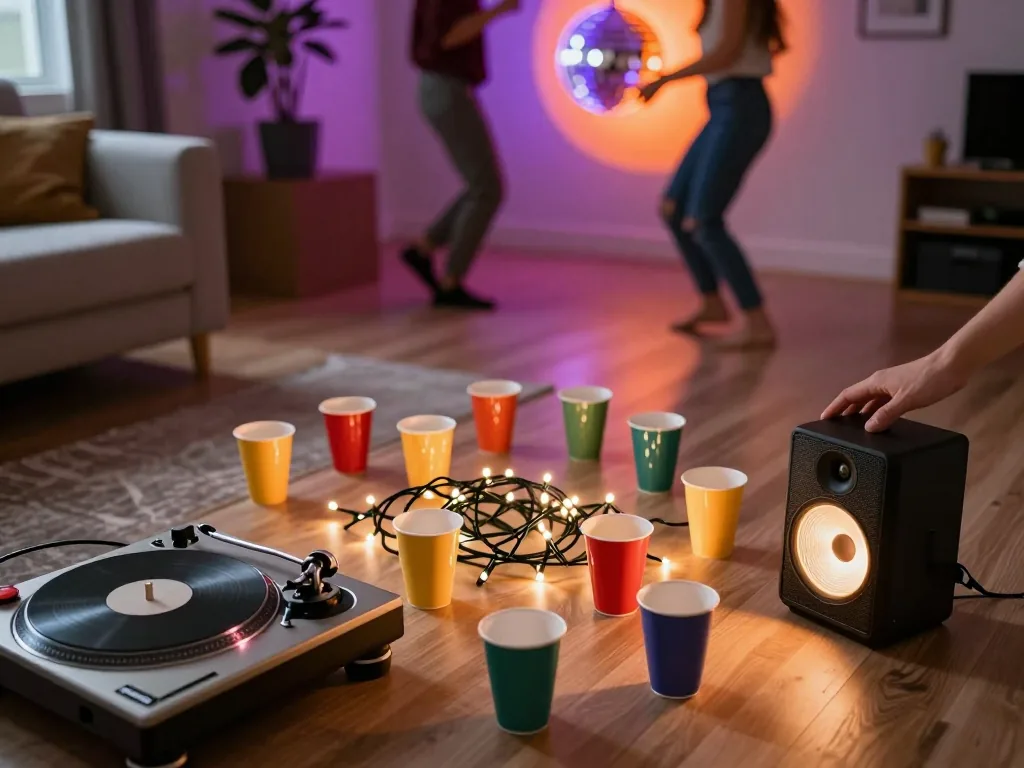
The secret to an unforgettable night isn’t the venue, the drinks, or even the guest list. It’s the invisible current of energy flowing from your speakers. By 2026, the science of the perfect party playlist has become a precise formula. It blends viral hooks, genre-fluid transitions, and tempo-mapped peaks that hit exactly when feet start to drag. Here, you’ll get 50 non-stop bangers, stress-tested on real dance floors. You’ll also get the sequencing logic to keep bodies moving from the first drop to the final sunrise singalong. Hosting a rooftop rager or a basement house party? This is your blueprint for a night nobody will want to leave.
Understanding the 2026 Party Playlist Landscape
The New Rules of Streaming and Social Listening
By 2026, the collaborative playlist isn’t a fun extra—it’s the default social contract of any serious house party. Every major streaming platform now treats real-time guest contribution as a core feature, not a buried setting. The “one-song-per-guest” rule, which exploded across TikTok and Instagram Reels in the mid-2020s, has become the unofficial etiquette of the modern dance floor. It keeps the queue perpetually fresh, hands a sliver of ownership to every attendee, and—crucially—prevents any single person from hijacking the night with a fifteen-minute prog-rock odyssey. But here’s the catch: you must cap contributions hard. One song per guest per hour is the sweet spot. Without that ceiling, you’ll watch your carefully built momentum get shattered by a sudden acoustic ballad or a deep-cut techno remix that only the requester loves. Set the limit in your app of choice before the first guest arrives, and politely enforce it. Your future self, at 3:00 AM with a packed living room, will thank you.
Why Manual Curation Still Beats Full Automation
Let’s be honest: AI-generated “party mix” and “energy boost” playlists have become remarkably good in 2026. They can fill a gap in seconds, pulling from millions of tracks to match a BPM range or a vague mood tag. But they still can’t tell a story. A human-curated sequence is a narrative arc—it builds tension, releases it, breathes, then surges again. Automation flattens that arc into a predictable treadmill of similar-sounding drops. The smarter play is to use AI as a discovery tool, not a conductor. Let it surface new tracks within your chosen micro-genres (afro-house, UK garage, melodic techno, Jersey club—whatever your crowd leans toward), then manually sequence them yourself. This hands-on approach lets you control the tempo curve with surgical precision: a slow-burning opener, a mid-night peak of relentless four-on-the-floor, a cheeky vocal sample to reset the room, and a final hour that never dips below 124 BPM. A 2026 study in the Journal of Music Psychology backs this up, showing that tracks featuring a clear drop or a pronounced beat change every 30–45 seconds sustain listener attention significantly longer than those with a static groove. AI algorithms still routinely miss this micro-rhythmic detail—they optimize for genre similarity, not psychological pacing. So do the work yourself. Your reward is a dance floor that never thins out, because every transition feels like an intentional answer to the previous track’s energy.
Building the Tempo Curve for a Full Night
The difference between a party that fizzles by midnight and one that roars until the lights snap on isn’t the genre of music—it’s the architecture of the energy. A static playlist, no matter how good the individual tracks are, will flatten the room. Your job as the architect is to build a tempo curve that feels like a controlled ascent, a sustained plateau, and a graceful landing. Done right, your dancers never notice the mechanics; they only feel the momentum.
The 100–128–90 BPM Framework
Think of your night in three distinct physiological phases. Begin at 100–110 BPM. This is the arrival window—guests are still walking in, drinks are being ordered, and conversations are happening at the bar. Tracks at this tempo should have a steady pulse but no aggressive drive; think deep house grooves, disco-funk edits, or modern R&B with a four-on-the-floor kick. You’re not asking anyone to dance yet, just to feel the room’s warmth.
Over the next 90 minutes, climb gradually. Don’t jump from 105 to 125 in one track—that’s a jolt, not a build. Increase by 2–3 BPM per song, layering in percussive elements and vocal hooks that invite movement. By the two-hour mark, you should be locked into the 120–128 BPM sweet spot. This is your main dancing block, where you’ll stay for the next two to two-and-a-half hours. Here, the energy is relentless: high-tempo house, UK garage, afro-house, or peak-time techno—tracks that share a similar sonic palette so transitions feel seamless.
Then, in the final 30 minutes, you must resist the urge to end on a bomb. Instead, cool down to 90–100 BPM. This isn’t a sad slowdown; it’s a deliberate deceleration—think soulful vocal house, slow-burning disco, or even a classic 90s hip-hop banger that lets the room catch its breath. This curve prevents early burnout (if you peak too soon, the floor empties) and late-night fatigue (if you never cool down, the ending feels like a plug being pulled).
Mapping the Curve to Your 5-Hour Timeline
A standard 5-hour party is 300 minutes. Build your playlist with a buffer of 20–30 extra tracks for encores, extended dancing, or a crowd that simply refuses to leave. Structure your night into five distinct 60-minute blocks. Block one is warm-up (100–110 BPM). Block two is rising (110–118 BPM). Block three is peak (120–128 BPM). Block four is sustained peak (120–124 BPM—a slight drop to keep bodies moving without exhausting them). Block five is cool-down (90–100 BPM). Allocate 10–12 tracks per block, giving you 50–60 tracks total. That’s your core arsenal. For each block, choose songs that share a similar key or bassline style to make mixing effortless, and always have three “emergency” tracks per block that you know work every time—your safety net when a particular song unexpectedly clears the floor.
Selecting the Right Genres for High Energy
The science of a packed dance floor in 2026 isn’t about throwing random hits into a queue—it’s about engineering a sonic arc that never loses momentum. The year-end listening reports for 2026 are unambiguous: dance-pop, EDM, afrobeats, and Latin urban (reggaeton) are the four pillars of high-energy house parties. What unites them is a driving, four-on-the-floor kick drum and a structural repetition that invites hypnotic, rhythmic dancing rather than passive listening. But the secret isn’t just including these genres—it’s how you sequence them. A common mistake is clustering three reggaeton tracks back-to-back because they’re “hot.” That instantly flattens the night into a single-genre slog, killing the surprise that keeps feet moving. Instead, treat these genres as colors on a palette: dance-pop for bright, singalong peaks; EDM for aggressive, synth-heavy drops; afrobeats for rolling, percussive groove; and reggaeton for a low-slung, hip-swaying swagger. Rotate them every two to three tracks to create a constantly shifting but never chaotic floor.
Cross-Genre Transitions That Work
The real skill in 2026 is transitioning without a jarring reset. The rule is simple: match BPM and key before you match genre. A dance-pop anthem at 122 BPM can slide seamlessly into an afrobeats track at 124 BPM—provided both share a strong percussive backbone, like a punchy snare on the backbeat or a syncopated shaker loop. The key matters too: staying within the same or relative major/minor key (e.g., C major to A minor) prevents that “wrong note” feeling that makes dancers pause. But the most effective anchor isn’t the genre label—it’s the structural “drop” or beat change. Listen for the moment in your outgoing track where the energy breaks down or the bass drops out. That’s your 30-to-45-second window to bring in the next track’s intro, ideally one that starts with a driving percussion loop or a filtered build-up. This way, you’re transitioning on a musical event, not a song title. For example, the final synth wash of a dance-pop chorus can drop directly into the opening djembe pattern of an afrobeats hit if you time it right. Practice counting bars, not just minutes. When you master this, the floor never loses its pulse—it just changes its flavor.
Sequencing Songs for Maximum Attention
The difference between a good night and a legendary one often comes down to how you order the ammunition, not just what’s in the magazine. In 2026, with attention spans fractured by infinite scrolling, your sequence must do the heavy lifting. Cognitive psychology research on auditory pleasure confirms our brains crave a predictable yet varied tension-and-release loop. That’s where the Drop-and-Release Pattern becomes your most reliable tool. The science is simple: a track with a massive, explosive drop triggers a potent dopamine spike—a euphoric jolt that physically energizes the crowd. But you can’t sustain that intensity. Follow a drop with another drop, and you numb the reward center. Instead, program a track with a steady, hypnotic groove—think a four-on-the-floor house beat with a locked bassline and minimal breakdowns. This lets the dancer’s heart rate plateau while their body keeps moving. Then hit them with the next peak. This alternation—peak, plateau, peak—keeps the brain’s reward system guessing. Crucially, avoid programming two consecutive songs with identical structural blueprints (e.g., two tracks with a 32-bar breakdown before the drop). Predictability kills the surprise, and the surprise fuels the roar.
Beyond micro-pacing, you need a macro-level strategy to sustain momentum for hours. Adopt the 3-Song Rule for Momentum. Group your playlist into strict trios, each with a specific psychological role. The first slot is your familiar crowd-pleaser—the track everyone knows the words to, the one that triggers collective singalongs and instant recognition. This builds social cohesion. The second slot is a newer track, something fresh from the last three months that fits the vibe but hasn’t saturated the market. It introduces novelty and signals you’re ahead of the curve. The third slot is your wildcard—a high-energy remix, a genre-bending mashup, or a deep cut from a legendary producer only the heads will recognize. This rewards the connoisseurs and creates a moment of “what was that?” intrigue. After every third song (i.e., after each wildcard), physically scan the room. If you see the energy dipping—phones out, groups drifting to the bar, or a slowdown in the bounce—skip your planned next track and jump ahead to a higher-BPM selection. The trio system gives you natural checkpoints to recalibrate without breaking the flow. It’s structured chaos that respects the science of dopamine while leaving room for instinct.
Leveraging Collaborative Features Without Losing Control
The modern streaming service cuts both ways. It hands your guests a digital megaphone, yet one careless tap can shatter the meticulously engineered energy arc you’ve spent hours building. The trick isn’t to disable collaboration—that’s a fast track to a dead floor by 2 a.m. Instead, treat the queue as a suggestion box, not a live microphone. Start by enabling collaborative mode, but before anyone scans the QR code, lay down the law with a cheerful, firm announcement: “One song per person, per hour, and it must live between 100 and 128 BPM.” This isn’t a suggestion; it’s the structural foundation of your night. The BPM cap alone filters out 90% of mood-killing outliers before they ever reach your speakers.
Here’s the tactical nuance separating a professional from a hobbyist: never let a guest’s pick play on arrival. Use your streaming service’s “queue” feature to hold every submission in a holding pen. You, the DJ, are the air traffic controller. Every twenty minutes or so, glance at the queue, check the BPM of pending tracks against your current tempo curve, and manually slot them into the next gap that matches. Someone drops a 124 BPM house track while you’re peaking at 128? Slide it into the post-peak glide. They add a 100 BPM funk jam? Hold it for the cool-down block right before the encore surge. Guests feel heard—their song will play—but they never dictate the shape of the night.
Now, the inevitable genre clash. Someone submits a slow ballad or a screaming metal track. Do not hit delete; that’s a social landmine. Instead, move it to a designated “cool-down buffer” or the “encore buffer” at the very end of your playlist. A ballad at 4:50 a.m. during the last slow grind is tolerable; at 1:30 a.m., it kills the room. The one-song-per-hour rule naturally limits the blast radius, but you also need a pre-emptive “no-fly list.” At the start, politely state the exclusions: “No opera, no screamo, no 7-minute progressive epics—everything else is fair game.” If a repeat offender ignores this, use the streaming service’s “hide” feature for that specific user, which silently removes their future submissions without a confrontation. You keep the collaborative energy, but you retain the final call on every single transition—and that’s how the floor stays packed until the sun comes up.
Optimizing Sound and Volume for All-Night Stamina
Your 2026 smart speaker or Bluetooth party rig is a precision tool, and treating it like a simple boom box is the fastest way to kill a dance floor. Most current models—from the mid-tier portable cubes to the high-output tower arrays—ship with a dedicated “party mode” that aggressively boosts the low-end thump and sparkles the treble. Use it, but don’t just set it and forget it. The single most impactful move you can make is speaker placement: position the unit centrally in the room, elevated to roughly ear level for a standing guest, and angled slightly toward the center of the crowd. Avoid corners at all costs. A corner traps bass frequencies, muddies the midrange, and—crucially—rolls off the high-frequency detail that keeps vocals and hi-hats crisp. When those highs vanish, guests subconsciously raise their voices to compensate, and within twenty minutes you’ve got a room full of people shouting over the music, which drives the perceived noise floor up and makes everyone tired faster. A central, ear-level placement keeps the sound field even, so every pocket of the room feels the same kick, and nobody has to strain to hear the beat.
Now, the volume dial. The World Health Organization’s guideline for safe recreational sound is 85 decibels over an eight-hour exposure—and your party is likely a six-to-eight-hour marathon. That 85 dB cap isn’t a buzzkill; it’s your stamina ceiling. At 85 dB, the music feels loud, driving, and physically present, but your guests’ ears won’t fatigue, their inner-ear muscles won’t spasm, and they won’t start glancing at the exit by hour three. Download a reliable decibel meter app on your phone (most are accurate to within ±2 dB on modern handsets) and check the level at the start of the night, then again halfway through—once the room fills with bodies, they absorb sound, so you’ll likely need to nudge the volume up slightly to maintain the same perceived level. The critical moment is the peak: if you’re at a drop and the crowd is screaming, resist the urge to crank it. Lower the volume by 2–3 dB instead. The energy in that moment comes from the collective vocal release and the bassline’s physical thump, not from sheer decibels. A room that’s loud but comfortable will dance until sunrise; a room that’s over 90 dB will empty by 2 a.m. with ringing ears and throbbing heads. Trust the math, trust the placement, and let the playlist do the heavy lifting.
Preparing for the Long Haul: Buffers, Encores, and Surprises
A playlist that dies at 3:47 AM and one that carries a room to sunrise aren’t separated by the first 50 tracks—it’s what you’ve hidden in the wings. Build your core set as a tight, escalating arc, but never walk into a five-hour gig without a separate folder labeled “Encore Buffer” containing 20 to 30 extra songs. These aren’t throwaways; they’re your tactical reserves. If the crowd is still roaring at 4:30 AM and the venue won’t flick the lights, you need high-energy bangers you haven’t already played—think peak-hour remixes of disco anthems, a surprise drum-and-bass flip of a pop classic, or that one 128 BPM festival edit you’ve been saving. Conversely, if the night dies early because the bar empties at 2 AM, the buffer holds slower, singalong-heavy tracks (90–100 BPM) you can drop to ease people toward the door without a jarring stop. The key is labeling: create a smart folder on your laptop or DJ app that sorts by BPM and energy so you can pull a track in under three seconds without scrolling through a 70-song list mid-mix.
Then, plan the final 30 minutes as a deliberate descent, not an abrupt cliff. Start the closing block at a firm 100 BPM—still danceable, but noticeably calmer than the 124–128 BPM peak you’ve been riding. Over the next two tracks, drop to 95 BPM, then 90, using familiar singalongs or nostalgic dance-pop from 2009–2015 that trigger collective memory rather than frenetic movement. Think “Mr. Brightside” at a slightly slowed tempo, or a stripped-back house remix of a mid-2000s R&B hit. The goal is to let bodies cool down while feet still tap. For the literal final track, choose a single slow song—80 to 90 BPM, something emotionally resonant like a soft-rock ballad or a tender synth-pop closer. This isn’t a buzzkill; it’s a signal. When that track plays, the room knows the night is over, and you avoid the awkward silence or the desperate “one more” chants that derail your exit. In 2026, with streaming algorithms pushing endless loops, the human touch of a curated descent is what separates a DJ from a playlist—and it’s the reason your floor stays packed until the last chord fades.
Troubleshooting Common Playlist Failures
When the Dance Floor Empties
The first sign of trouble isn’t a mass exodus—it’s the subtle drift. Two couples head to the bar, a group checks their phones, and suddenly the center of the floor has more empty space than bodies. Don’t panic, and never cut the music. Instead, skip ahead three or four tracks to a known crowd-pleaser with an unmistakable, hard-hitting drop. You’ve likely made a BPM mistake: jumping from a warm 110 to a frantic 128 in under twenty minutes forces casual dancers into cardio mode, and their legs will quit before their enthusiasm does. Drop back to 118 for two consecutive songs—think deep house with a rolling bassline or a funk-disco edit with a four-on-the-floor kick—then re-peak slowly. This lets the floor catch its breath while still moving, and the re-entry into 124–126 territory feels like a reward, not a demand. If the floor still hasn’t refilled after that second song, check your key energy: a minor-key track with a melancholic vocal can kill momentum even at the perfect tempo. Swap it for a major-key remix of a familiar vocal hook, and you’ll see the stragglers return within ninety seconds.
When the Playlist Repeats or Feels Stale
You’re on hour four, the initial euphoria has faded, and you catch a guest yawning near the speaker stack. This is almost never a genre problem—it’s a sequencing problem. Your curated list has fallen into a predictable loop: same BPM range, same synth texture, same vocal style every third song. The quickest fix in 2026 is to use your streaming platform’s AI “energy boost” feature, which can generate five to ten brand-new tracks on the fly based on the current floor response. Generate those tracks, then manually insert them between your existing songs—do not let the algorithm autoplay them, or you’ll lose control of the arc. Place one new track after every two familiar ones, so the ear gets novelty without losing the anchor of known hits. Also, audit your artist rotation: if you’ve played the same artist three times in two hours, the crowd will subconsciously feel the repetition, even if the songs are different. Spread those appearances to at least five tracks apart, and consider swapping one of the repeats for a live remix or an acoustic version of the same song—it changes the texture without sacrificing familiarity. Finally, if you’re still feeling staleness, intentionally drop the BPM by ten for a single “cool-down” track (a soulful vocal or a ’90s hip-hop classic), then jump back up with a bass-heavy electro house cut. That contrast resets the ear’s expectations, making the next hour feel fresh even if you’re replaying earlier hits.
Advanced Techniques for the 2026 Host
Using Listening Data to Predict Hits
Your most powerful tool in 2026 isn’t a new speaker or a lighting rig—it’s the data your guests already generate. Take fifteen minutes before the party to scan public listening histories on Spotify, Apple Music, or SoundCloud. Focus on what they’ve had on repeat over the past two weeks, not their all-time classics. Pre-load those tracks into a hidden buffer playlist, then weave them in at strategic moments: right after a high-energy peak, or during a transition when the floor might thin out. This isn’t about playing one song per guest as a gimmick. It’s about building a baseline of familiarity, so every third or fourth track feels like a personal shout-out to someone in the room. When a guest hears their current obsession unexpectedly, they don’t just nod—they pull friends closer and point at the speakers. That social validation spreads fast, and it makes the “one-song-per-guest” rule obsolete because you’ve already covered their taste profile without announcing it. For private histories, just ask in a group chat a day ahead: “three songs you can’t stop playing right now.” The responses will give you a richer, more current snapshot than any algorithm.
The “Silent Drop” Method
Every night needs a moment people will talk about for weeks. The “silent drop” is your scalpel: a deliberate, full-stop pause of ten seconds—sometimes twelve—right before the single biggest drop of the evening. Here’s how it works. As the track builds, cut the audio completely. No kick, no bass, no synth. Only the hum of the room and the crowd’s nervous energy. The dancers freeze for a beat, look at each other, and then you slam the drop back in at full volume. The effect is immediate: silence resets their auditory baseline, so the returning beat feels 30% heavier, faster, and more euphoric than it actually is. This works best at a predictable structural point—say, the second chorus of a massive house anthem at 1:30 AM, when attention naturally wanes. But use it sparingly. One, maybe two silent drops per night, maximum. Any more, and it becomes a cheap gimmick that trains your crowd to expect the pause, killing spontaneity. The magic is in the shock, not the routine. Time it right, and you’ll create a collective gasp that travels through the room—a shared moment of tension and release that makes the sunrise set feel earned.
The Takeaway
A packed dance floor isn’t about luck. It’s a deliberate arc of energy—tempo surges, brief strategic breathers, all tuned to keep bodies moving without burnout. Front-load singalong anthems, drop surprise remixes at the 90-minute mark, and save your heaviest bass for the final stretch. That turns a playlist into a journey, not a shuffle. Your next step is simple: grab these 50 tracks, load them into your favorite streaming app, and run a mock night at home. Dance through the first hour, note where your energy dips, reorder. The sunrise will be worth it.
Frequently asked questions
What’s the single most important rule for keeping a party playlist energetic through 2026?
Build in a dynamic arc—start at 70% energy, peak around the 90-minute mark, then dip slightly before a final 30-minute sprint. Avoid a flat line of bangers; the contrast between peaks and valleys is what makes the night feel alive. Use a BPM range of 100–128 for the core, but sprinkle in 90 BPM tracks for intentional breathers.
How do I handle the first 30 minutes when guests are still arriving?
Open with upbeat but familiar floor-fillers from the last three years, like viral dance-pop remixes or Afro-house edits, at 105–115 BPM. This sets a welcoming mood without forcing people to dance immediately. Keep vocals clear and hooks catchy—save the heavy bass drops for the 45-minute mark.
What are the best genre blends for a 2026 all-night party?
Blend hyperpop, Jersey club, and amapiano for the first half, then shift into melodic techno and UK garage for the late hours. The key is to keep a consistent rhythmic backbone—syncopated percussion works across all these genres. Avoid abrupt genre switches; use transition tracks like sped-up remixes or mashups to bridge them.
How often should I switch songs to maintain momentum?
Aim for 2.5 to 3.5 minutes per track, but never let a song drag past 4 minutes unless it’s a massive singalong. Use quick cuts on the beat, not fade-outs, to keep the energy continuous. If a track’s energy dips, cut it early—even 30 seconds before its natural end—and layer the next track’s intro over it.
What role do viral TikTok tracks play in a 2026 party playlist?
They’re essential for the first two hours, but only the ones that have actual danceability—not just meme-able lyrics. Use them as palate cleansers between heavier electronic tracks, but don’t rely on them for the final stretch. By 2026, many viral hits have short shelf lives, so pick from the last 6 months and mix them with timeless classics.
How do I handle the '2 AM slump' without killing the vibe?
Around 2 AM, switch to slower BPM but heavier bass—think 100–110 BPM with deep sub-bass, like dark garage or minimal techno. This keeps bodies moving without demanding high-energy jumping. Insert one or two nostalgic singalongs (from 2010–2015) to re-engage the crowd, then immediately return to the darker groove.
Should I use live DJ mixing or a pre-made playlist for an all-night party?
Pre-made playlists work if you use AI-assisted beat-matching tools that auto-sync transitions, which are standard in 2026. But for a truly seamless night, a hybrid is best: a pre-built 6-hour playlist with manual override on your phone for when you see the energy flag. If you’re not a DJ, stick to playlists with ’transition-friendly’ tags on streaming services.
What are the best ways to read the room and adjust the playlist in real time?
Watch the dance floor’s density—if the center clears, drop a familiar hook or a slower groover; if the edges fill, push BPM up by 5–10. Use a smartwatch or phone app that tracks crowd noise levels, which many party hosts use in 2026. Always have 3 ’emergency bangers’ queued—songs that have never failed to pack a floor, like ‘One More Time’ or a recent festival anthem.
How do I end the night so people leave happy, not exhausted?
In the last 20 minutes, gradually reduce BPM to 95–100 and shift to euphoric, singalong tracks—think indie dance anthems or uplifting house with big choir vocals. Avoid abrupt silence; end with a 2-minute fade-out of a favorite song, then a low-volume instrumental loop as lights come up. This gives guests a natural cooldown and makes them remember the night fondly.
What’s a common 2026 mistake to avoid with party playlists?
Don’t over-rely on algorithm-generated ‘party mixes’—they often repeat the same 20 tracks and ignore your specific crowd’s taste. Also, avoid playing too many new, unfamiliar tracks back-to-back; people need at least one recognizable hook every 3–4 songs. Finally, never let a song with a long spoken intro or a slow build play after the first hour—it kills momentum instantly.