The Ultimate Pregame Playbook: How to Host a Fun Night Before the Night Out
Get the ultimate pregame playbook—fun games, drinks, and vibes to host an epic night before the night out. Perfect your party plan now!
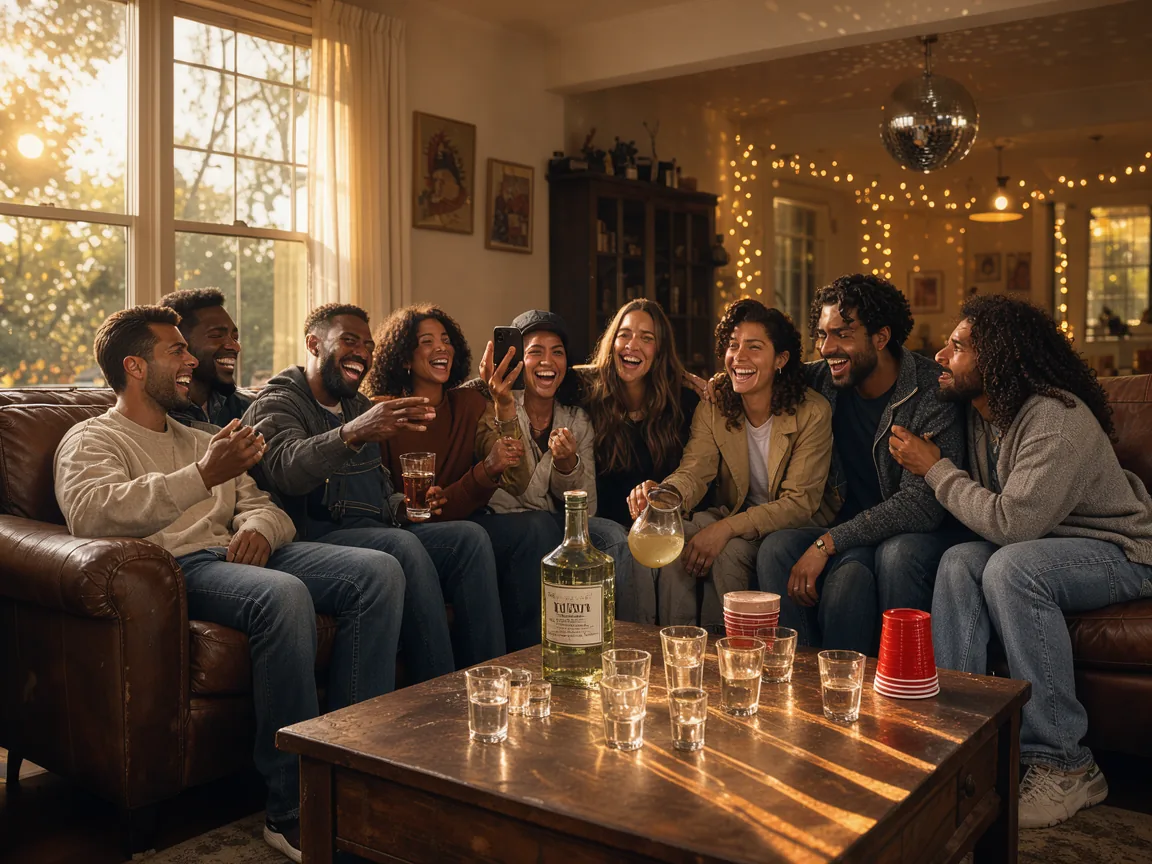
The pregame isn’t just about cheap drinks before the club—it’s the launchpad for a legendary night. The right playlist, a full ice tray, and a manageable guest list can make or break your momentum. But hosting well takes more than pouring shots. It’s about balancing energy, logistics, and safety so the fun doesn’t fizzle before you hit the door.
This playbook gives you the complete blueprint for a seamless pregame. You’ll nail your drink math, curate the crowd, execute a smooth exit, and make sure everyone gets home safe. No more chaotic, overcrowded apartments or flat-buzz arrivals. Just a smart, social system that saves money, builds anticipation, and sets the tone for a night you’ll actually remember.
So grab your cups and your group chat. We’re about to turn your living room into the best first act of the evening.
Setting the Guest List and Invitation Rules
Choosing the Right Number of People
The most critical choice you’ll make before pouring a single drink is the guest count. For an apartment or small house, aim for 6 to 12 people. That range delivers enough energy to spark a lively vibe without cramming your living room into a sardine can. Fewer than six risks a flat night, where awkward silences loom and the host feels pressured to entertain. More than twelve flips the dynamic entirely—cups vanish, conversations splinter into unmanageable pockets, and the playlist gets drowned out. Before sending invites, count how many folks can stand comfortably in your main hangout spot, not just sit. A pregame is a standing, mingling affair. If space is tight, cap it at eight. A smaller, curated crew will always outshine a crowd that can’t move.
Communicating the Plan Clearly
Vague invites breed chaotic nights. Once your list is locked, fire off one consolidated group message that leaves nothing to chance. Include your full address—cross street or building code if you’re in a complex—the exact start time, and the name and address of the venue you’re heading to after. That way, everyone sees the evening’s arc and can plan accordingly. Then, ask two practical questions before they RSVP. First, how they’re getting to your place and then to the bar. This matters for coordinating rideshares or mapping a walking route if the venue’s close. Second, ask about allergies or dietary restrictions. This isn’t just polite; it’s essential for snack planning. A guest with a nut allergy shouldn’t face a bowl of mixed peanuts, and a vegan friend shouldn’t be stuck with celery sticks. Gather this info upfront so you shop once and skip last-minute scrambles. A clear, detailed invite sets the stage for a smooth, stress-free night—and signals to your friends that you’ve got the logistics handled. That’s the true mark of a great host.
Timing Your Pregame for a Smooth Transition
The Ideal Duration and Start Time
One to two hours is the sweet spot for a pregame. It’s enough time to unwind, catch up with your crew, and build a pleasant buzz—without leaving everyone drunk before the door or bored by the time the Uber pulls up. Aim to start about 90 minutes before you need to leave. That window lets people finish their drink, hit the bathroom, and gather their phone, wallet, and jacket without someone yelling “let’s go!” from the hallway. Starting exactly when you plan to leave means chugging drinks and rushing out the door, which defeats the whole point. A 90-minute runway also makes for a relaxed arrival: pour the first round, put on some music, and let conversation flow as people trickle in. If you’re hosting, set a clear “doors open” time and a “we leave” time in the group chat, so no one shows up 20 minutes before departure expecting a full session.
Building in a Buffer for Delays
No matter how organized your group is, something will go sideways. Keys go missing, a friend changes shoes for the third time, or someone who swore they were ready suddenly needs ten minutes in the bathroom. Build a 15-minute cushion into your timeline—treat it as non-negotiable. If you need to be at the venue by 9:00 PM, your official “leave the house” time is 8:45 PM, and the pregame starts at 7:15 PM. That buffer turns potential panic into a minor inconvenience. When the inevitable “where’s my phone?” moment hits, you can calmly say, “We have time,” instead of snapping. It also lets you refill water bottles, sweep the room for forgotten items, and leave the apartment in decent shape. The buffer isn’t wasted time—it’s the difference between a night that starts with a laugh and one that starts with an argument. Stick to your cushion, and you’ll walk out composed, not frazzled.
Stocking the Bar Without Breaking the Bank
The secret to a great pregame isn’t a top-shelf liquor collection—it’s having enough of the right stuff so nobody’s nursing an empty cup while they’re trying to get loose. Start with a simple math problem: for a two-hour pregame, plan on two to three drinks per person. That’s the sweet spot between “we’re nicely warmed up” and “someone’s already slurring before the Uber arrives.” A standard 750ml bottle of wine pours about five glasses, while a 750ml bottle of spirits—vodka, rum, or whiskey—yields roughly sixteen single-shot mixed drinks. So, if you’re hosting eight people, two bottles of spirits and a couple of six-packs will comfortably cover the night without leaving you with a sad, half-empty bottle of something nobody liked.
Calculating Drink Quantities
Don’t overthink it. If you’re serving beer, wine, and simple mixed drinks, err on the side of slightly more than you think you need, but not double. A good rule: one bottle of spirits per four guests, one bottle of wine per three guests, and a six-pack per two guests. That math usually lands you right in the two-to-three-drinks-per-person zone. If you’re unsure, ask your crew what they actually drink—there’s always one friend who only touches gin and another who’ll crush a whole six-pack alone if you let them.
Choosing Simple, Crowd-Pleasing Mixers
Skip the fancy syrups and obscure liqueurs. Vodka, rum, or whiskey paired with juice, soda, or tonic covers nearly every palate. Keep a few beers and one bottle of wine on the counter for variety, but don’t go overboard—you’re not running a bar, you’re fueling a night out. Mixers like cranberry juice, orange juice, ginger ale, and cola cost anywhere from €2 to €5 per bottle, and a bottle of decent mid-shelf vodka or rum runs from €18 to €35. That’s a far better investment than a €60 bottle of scotch that’ll be gone in twenty minutes anyway. Shots are optional, but if you do them, cap it at one per person. The goal is a fun, buzzy pregame, not a blackout before you’ve even hit the door. Keep it simple, keep it affordable, and keep the good times rolling—without rolling off the couch.
Building a Snack Spread That Works
The right food can make or break a pregame. You want a spread that fuels the group, soaks up some of the alcohol, and keeps the energy high without turning your living room into a full-service kitchen. The goal is simple: easy to grab, easy to eat while holding a drink, and forgiving if someone sets a cup down next to it.
Salty and Savory Staples
Start with the backbone of any good pregame: chips, pretzels, popcorn, and mixed nuts. These are the workhorses of the night—zero effort to eat, even mid-conversation, and their salt content nudges people toward water, a quiet win for everyone’s morning after. Placement matters. Don’t pile everything on one central table; that creates a bottleneck and a mess. Instead, pour modest amounts into several bowls and scatter them around the room—one near the couch, one on the kitchen counter, one on a side table. This keeps people moving, prevents crowding, and ensures no one is stuck in a corner without a snack. Mix textures: something crunchy, something salty, and something with heft, like roasted almonds or cashews.
Light Finger Foods and Hydration Helpers
Once the bags are open, add a layer of lighter options that feel more intentional. Veggie sticks—carrots, cucumber, celery—are non-negotiable. They add color, fresh crunch, and a break from grease. Pair them with cheese cubes, a few cracker types, and a bowl of hummus. Feeling fancy? Slice a baguette and toast the pieces lightly; they hold up well to scooping and resist sogginess. Set this out on a cutting board or platter, but keep it in one spot—unlike the salty bowls—since these items are better enjoyed when you’re standing near them.
Finally, the part people forget: hydration. Fill a large pitcher with cold water, add lemon slices if ambitious, and set it front and center with a stack of cups. Keep a few cans of soda or juice bottles nearby for designated drivers, non-drinkers, or anyone wanting a break from alcohol. A visible water station quietly signals that everyone is welcome and the night is about hanging out, not just drinking. A well-hydrated pregame is happier and longer-lasting—and your bathroom floor will thank you in the morning.
Creating the Right Atmosphere and Playlist
Setting Up Your Space
The layout of your pregame sets the tone for the entire night. Before anyone arrives, scan your living room and ask: can people actually move and talk? You want natural clusters of conversation, not a crowd staring at the TV. Mix chairs, a couch, and standing spots near the kitchen. Pull stools up to the counter, push the coffee table aside, and keep pathways clear so no one has to squeeze past just to grab a beer. The kitchen island is your unofficial HQ—place cups, a bottle opener, and a water pitcher there to keep things flowing. And the non-negotiable: the bathroom must be clean, stocked with toilet paper, and reachable without walking through a bedroom. Nothing kills a party faster than a guest awkwardly hunting for a toilet behind a half-open door. Put out fresh soap, lay down a clean towel, and empty the trash before guests arrive so it doesn’t overflow by hour two.
Music Volume and Vibe
Your playlist is the emotional backbone of the evening, but volume is what truly tests a host. Build a set of upbeat, familiar songs everyone can sing along to—crowd-pleasing anthems, pop hits, timeless party tracks. Skip obscure deep cuts or experimental B-sides; a pregame isn’t the moment for avant-garde electronica. The goal is collective energy, not personal curation. Keep the volume where conversation flows easily and neighbors stay happy—if you can’t hear someone two feet away, it’s too loud. A solid rule: hold a normal chat without shouting, yet still feel the bass thump. Start lower for the first thirty minutes as people settle in, then nudge it up as the room fills. If someone leans in and repeats themselves more than twice, drop it immediately. The music should soundtrack the night, not dominate it—the real stars are the people in the room, loosening up, laughing, and gearing up to hit the town together.
Managing the Flow of Drinks and Intoxication
The line between a legendary pregame and a regrettable one often hinges on pacing. A night out is a marathon, not a sprint, and the pregame sets that tone. If everyone’s stumbling before the Uber arrives, the night’s already over.
Pacing and Pouring Strategies
Control the pour, and you control the evening. Never hand out full bottles or let guests pour their own generous “one-finger” measures. Instead, pre-mix a batch cocktail in a large pitcher or dispenser, serving it in standard 8-ounce cups. This gives you a clear count of each person’s intake. As a host, you can also make the batch slightly weaker than you think necessary—people rarely complain about a mix that’s a bit too refreshing. A solid rule of thumb: set up a dedicated water station with ice and fresh cups, and gently encourage a glass of water between each alcoholic serving. It’s not preachy; it’s practical. Skip drinking games that force rapid consumption, like beer pong or flip cup. These are designed to get people drunk fast—exactly what you don’t want when a busy bar or club awaits. If you want a game, choose something trivia-based or a low-stakes card game where sips are optional, not mandatory.
Recognizing When to Slow Down
Even with the best-laid plans, some guests will outpace the group. Your role as host is to be the quiet guardian of the evening. Watch for the classic signs: slurred speech that wasn’t there thirty minutes ago, a sudden loss of balance, or a voice that’s jumped several decibels in a short time. If someone’s weaving or repeating themselves, don’t hand them another drink. Steer them toward the kitchen instead. Offer a glass of water and a plate of the salty snacks you’ve put out—the carbs and hydration will help stabilize them. Then, in a low, non-confrontational voice, say something like, “Hey, let’s take it easy for a bit, we have a long night ahead.” The goal is to subtly slow them down without making a scene. It’s far better to have one friend who’s slightly less buzzed, acting as a clear-headed anchor, than to deal with a medical emergency, a lost phone, or a fight at the bar. A great pregame leaves everyone feeling warm and social—never obliterated.
Planning Safe Transportation and Backup Options
Confirming How Everyone Gets to the Venue
The pregame buzz is contagious, but the last thing you need is a chaotic scramble for rides once the music starts calling. Before energy peaks and conversations splinter, call a quick huddle. Go around the room and have each guest state their plan aloud: “I’m driving, so I’m on two sodas,” “I’ve got a rideshare booked for ten,” or “I’m hopping on the 42 bus.” This isn’t about being a buzzkill—it’s about clarity. When everyone verbalizes their route, gaps surface instantly: the friend assuming a ride will magically appear, or the couple planning to split up without a way home.
Keep your phone charged and the rideshare app open on your home screen. Know the nearest transit stop by name and whether the last train runs late enough to matter. In a walkable area, confirm the route is well-lit and realistic in heels or after a few drinks. Having this info at your fingertips—not buried in a group chat—lets you solve problems in seconds rather than stress over them for ten minutes.
Preparing for Last-Minute Changes
No plan survives contact with a night out. Friends cancel, surge pricing spikes, or a designated driver decides they’re too tired for the return trip. So your backup plan needs to be as solid as your main one. Keep a shortlist of two sober friends who aren’t coming out but might pick someone up—call them before resorting to anything risky. Splitting a rideshare among three or four people is often cheaper than you think, and it’s always the right call. If all else fails, offer your couch, an air mattress, or even a pile of blankets on the floor. A guest crashing at your place is a minor inconvenience; a guest driving home after drinking is a catastrophe.
Here’s the hard rule: never let anyone drive after drinking, even if they swear they’re “fine.” That test is meaningless. You’re the host, which makes you the safety net. Take their keys with a smile, hand them a glass of water, and make the call for them. They’ll thank you tomorrow—or at least they should.
Handling the Post-Pregame Transition and Cleanup
Leaving the House in Order
The final hour of any great pregame is a delicate balance—keep the energy high, but don’t set yourself up for a disaster zone later. As host, your last twenty minutes matter most. Kill the playlist abruptly; everyone’s about to get louder anyway. Then sweep the main rooms: gather pizza boxes, beer cans, and solo cups into one bag, tie it off, and leave it by the door. Check the kitchen and bathroom for forgotten candles or space heaters, and glance at the stove to confirm every burner’s off. If you had a fire, douse it completely. Before locking up, do one last visual pass for hazards—a tipped bottle, a wet spot near the stairs. Grab a full water for yourself and one for a friend who looks like they need it. Lock the door, and don’t look back. The mess will wait till morning, but a safe, secure apartment beats a spotless one.
Dealing with the Aftermath the Next Day
When you stumble back in—usually in the early hours—resist the urge to scrub. Your only jobs: drink that water, kick off your shoes, hit the bed. Cleaning while dehydrated and tipsy breaks things and guarantees regrets beyond that last shot. The next morning, after coffee and something greasy, clean with a system. Start with sticky surfaces—counters, tables, any floor spots where drinks spilled—because dried sugar’s the enemy. Then bag every empty bottle and can for recycling, and toss any perishable food that sat out overnight. Once the visible clutter’s gone, wipe down the sink and take out the trash one last time. Finally, send a group text: quick thanks, a note that you had a blast, and a casual list of left-behind items—a jacket, a charger, a mysterious key. Offer to hold them for pickup. That small gesture keeps goodwill alive and your place ready for the next round, whenever that happens.
The Bottom Line
A great pregame isn’t about volume—it’s about vibe. Set the tone early with lighthearted games, solid snacks, and a clear plan to get everyone to the venue safely. Done right, your group arrives energized and connected, not sloppy or stressed. Treat the pregame as its own mini-event: a warm-up that builds excitement without stealing the show. Keep the playlist upbeat, the water pitcher full, and the shots optional. Your future self—and your friends—will thank you when the night truly begins.
Frequently asked questions
How much food should I have at a pregame?
Plan for at least two hearty snacks per person, like sliders, veggie trays, or loaded nachos, since food absorbs alcohol and keeps the night going. Aim for a mix of salty and carb-heavy options, and budget around $15 to $40 total for a group of six to eight people.
What's the best way to set up a drink station so guests can serve themselves?
Create a self-serve bar with a few base spirits, mixers, and a big ice bucket on a separate table or counter to avoid crowding. Label each bottle or pitcher clearly, and put out disposable cups with a marker so everyone can write their name on them.
How do I keep the vibe fun without turning it into a loud party that annoys neighbors?
Craft a playlist with upbeat but not blaring music, and keep the volume at a level where you can still hold a conversation. If you’re in an apartment, close windows and use rugs or cushions to muffle sound, and let neighbors know beforehand if you expect a bigger crowd.
What games work best for a pregame before heading out?
Stick to quick, low-setup games like Kings Cup, flip cup, or a card-based drinking game that takes under 15 minutes per round. Avoid long board games or anything requiring lots of pieces, since the goal is to get everyone loose, not stuck at the table.
How many drinks should I prepare per person?
Plan for about two to three drinks per person during a two-hour pregame, assuming most guests will also drink at the venue. Buy in bulk from a discount store to keep costs between $20 and $50 for a group of six, and always have non-alcoholic options like soda or sparkling water.
What's a good time to start the pregame so we're not too drunk to go out?
Start about two to two and a half hours before you plan to leave, which gives everyone time to eat, drink slowly, and get ready. This window lets you pace yourself and still have a solid buzz without being sloppy by the time you hit the club or bar.
How do I handle guests who arrive early or late?
Have a simple snack like chips and dip ready for early birds, and keep the drink station stocked so late arrivals can jump right in. For latecomers, text them the address and a quick ‘we’re on round two’ so they know what to expect, but don’t hold up the group for more than 15 minutes.
What should I do if someone gets too drunk during the pregame?
Cut them off gently by offering water and food, and suggest they sit out the next round or two. If they’re clearly over the limit, arrange a safe ride home or have them stay at your place, and make sure they’re not driving under any circumstances.
How can I make the pregame feel special without spending a lot?
Use a themed drink like a punch bowl or a signature cocktail, and add cheap decorations like string lights or a simple photo backdrop for selfies. A fun twist, like a shot roulette wheel or a ‘drink if you’ game, costs nothing but adds a lot of energy.
What's the best way to transition from the pregame to leaving for the night out?
Announce a ’last call’ for drinks about 20 minutes before you leave, and have everyone finish their current drink and use the bathroom. Do a quick headcount, assign a designated driver or confirm ride shares, and play one upbeat song as a send-off to get everyone hyped on the way out.