The 2026 Rooftop Party Playbook: Hosting a Sky-High Bash Without Getting Evicted
Host a rooftop party in your city apartment building in 2026 without eviction: noise rules, access hacks, and guest control for a sky-high bash.
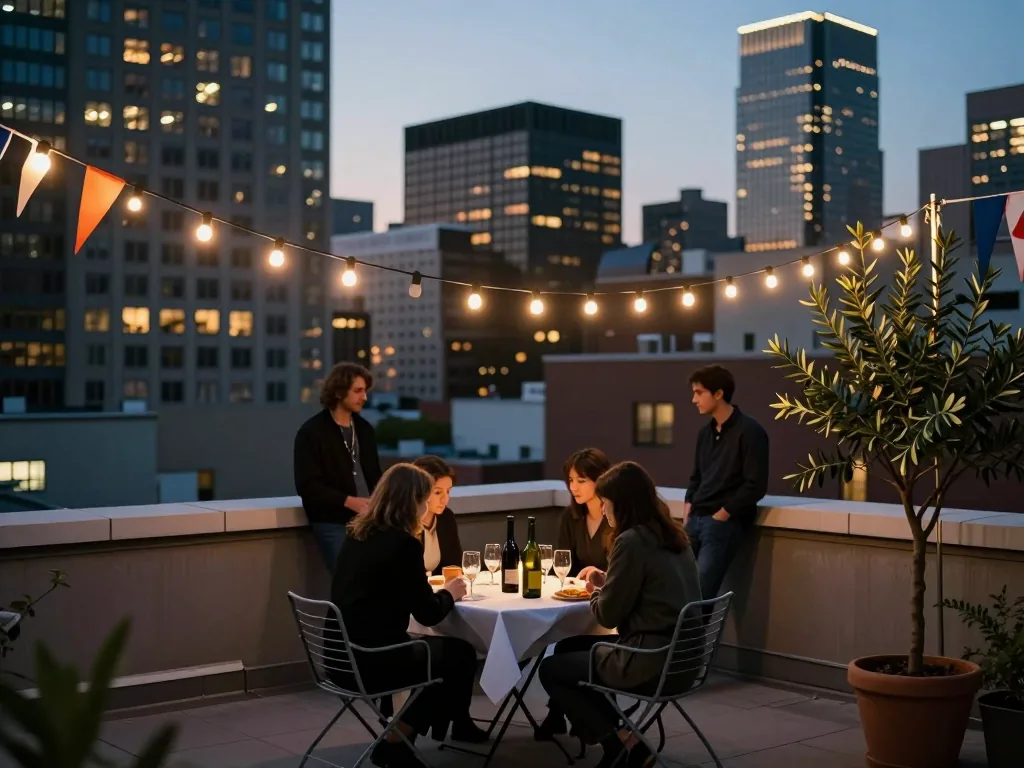
The city skyline is calling, and your apartment building’s rooftop—with its panoramic views and open-air buzz—is the ultimate stage for a summer night to remember. One wrong move, one noise complaint, or one overzealous neighbor can turn your sky-high celebration into a lease-terminating disaster. This playbook is your insider’s guide to throwing a legendary rooftop bash while keeping your landlord, your neighbors, and the local authorities blissfully unaware of the chaos. From silent-entry logistics and sound-dampening tricks to crowd control and clean-up protocols, you’ll learn exactly how to host the party of the year without ever hearing the words “eviction notice.”
The Permission Ladder: From Building Management to HOA Approval
Before hauling a single speaker up the stairwell, you’ll need to climb the permission ladder—and that climb starts with paper, not parties. Pull up your lease or condo bylaws and read the fine print on common-area use, noise ordinances, and guest policies. Then, at least three weeks out, request written permission from your building manager or HOA board. This isn’t a casual text; it’s a formal ask. Many buildings in 2026 require a signed liability waiver naming the property as an additional insured party, and some will hold a refundable security deposit—typically from $200 to $600—against damages or noise complaints.
The Written Request and Liability Waiver
Draft a professional email that leaves no room for ambiguity. Specify the exact date, start and end times, expected headcount—be honest, underestimating will backfire—and your concrete plan for noise mitigation and cleanup. Attach a proposed liability waiver that you and every guest will sign on arrival, covering property damage, personal injury, and alcohol-related incidents. Ask directly if the building has a blanket event policy or if you need to purchase a one-day event rider. A rider for residential rooftop coverage in a major U.S. city runs from $75 to $250 per event, depending on your coverage limits. Frame your request as a value-add: you’re not asking for a favor, but proposing a managed, insured, and reversible use of shared space.
What to Do If Permission Is Denied
If the answer comes back no, don’t sulk—investigate. Ask for the specific reason: is it noise, capacity, fire code, or liability? Then propose a workaround. Would a smaller gathering of 10 to 15 people on a weekday evening pass muster? Could you shift to a Sunday afternoon when the building is quieter? Sometimes management denies because they assume you want a rager; clarifying that you’re hosting a seated dinner with a Bluetooth speaker might unlock a yes. But here’s the non-negotiable rule: never proceed without written approval. A single neighbor complaint—whether about bass, cigarette smoke, or a blocked fire escape—can trigger a lease violation or an HOA fine ranging from $150 to $500 per incident, and in serious cases, actual eviction proceedings. The rooftop is a shared asset, but your tenancy is not. Treat permission like the load-bearing wall it is: don’t build without it.
Capacity, Fire Codes, and the 25-Person Permit Threshold
Before you drag a single speaker up the stairwell, know your rooftop’s legal ceiling. The maximum occupancy is usually posted on a small metal plaque near the roof-access door or in the fire department’s public records for your building. In 2026, that number isn’t just a suggestion—it’s a hard cap. Most municipalities now require a temporary event permit for any advertised gathering over 25 people, even inside a private residential building. “Advertised” is the key word: a private group chat with 30 friends still counts if you mention the roof by name and date. If you’re unsure, call your local fire marshal’s office—they’re surprisingly friendly when you ask before, not after, the complaint.
Calculating Safe Occupancy and Exit Paths
Don’t rely on the plaque alone. Measure the usable square footage of your roof—subtract HVAC units, planters, and parapet setbacks. Then divide that number by your local fire code’s per-person ratio, which in 2026 typically runs from 15 to 20 square feet per person. For example, a 600-square-foot roof at 15 sq ft/person gives you a safe max of 40 people. But your posted occupancy might be lower—always defer to the stricter figure. Next, walk every exit path. The stairwell door must swing fully open, the fire escape ladder must be clear of stored bikes, and no furniture or coolers can block the path of egress. A single blocked door is the fastest way to turn a loud party into a visit from the FDNY, and it’s also the most common violation cited in residential eviction notices.
When You Need a Temporary Event Permit
Cross the 25-person threshold, plan to promote the party on social media, or hire any vendor—DJ, caterer, bartender—and you need a temporary event permit. Apply through your city’s licensing portal, not the building manager. You’ll typically need a simple site plan (a hand-drawn sketch of the roof layout works), proof of liability insurance, and a fee ranging from €50 to €250 per event, depending on your city and expected attendance. Start the process at least two weeks out—approval is not guaranteed same-day, and many municipalities now require a 72-hour public notice to neighbors. Skipping the permit to save time is a gamble: fines for unpermitted gatherings in 2026 run from €300 to €1,500, and that’s before your landlord adds their own penalty. Pay the fee, get the paper, and party with a clean conscience.
The single most important number in your rooftop party planning isn’t the guest count—it’s the clock. In 2026, major U.S. cities have tightened enforcement of amplified sound, and the rules are strikingly uniform: music with any electronic amplification must be off by 10 PM on weeknights and 11 PM on weekends. That’s a hard legal cutoff, not a suggestion. Even acoustic sets or loud conversation can fall under “unreasonable noise” statutes if a neighbor complains, so your end time must be non-negotiable. Spell it out on the invitation, announce it from the speakers at 9:45 PM, and have a graceful wrap-up plan. The goal is for your last song to end before the curfew, not at it.
Your speaker setup decides whether you’re hosting a party or a nuisance complaint. Place all speakers at least three feet from the parapet edge, angled inward toward the roof’s center—never facing adjacent buildings or the street. That simple orientation can halve sound leakage. Download a decibel meter app and test at the property line; most cities cap ambient sound at 70–80 dB there, so aim for 65–75 dB to keep a safety margin. When the curfew hits, don’t just lower the volume—switch to a “quiet mode” playlist of acoustic or low-tempo tracks that skip subwoofers entirely. Better yet, pre-plan an indoor after-party spot in your apartment or a nearby bar, so the rooftop empties by 10:05 PM without killing the vibe.
A little forewarning goes a long way. Forty-eight hours before the event, post a friendly, printed notice in the elevator and hallway—no neon colors, no aggressive fonts. State the date, the exact end time, and your phone number for direct complaints. This turns a potential noise complaint into a personal conversation, and most people will text rather than call the police. Go further: hand-deliver a small token—a bottle of wine or a box of pastries, typically $15 to $40 per unit—to the apartments directly below and beside the rooftop. Include a note: “We’re having a rooftop gathering on [date], ending at [time]. Please text me if we get too loud.” This goodwill gesture costs under $100 for three or four neighbors and can mean the difference between a peaceful evening and a visit from the authorities. Remember: your neighbors control your party’s fate, so treat them like VIP guests, not obstacles.
Guest Access, Key Fobs, and Building Security
Nothing kills a legendary rooftop soirée faster than guest access spiraling into chaos—bringing a noise complaint, a police visit, or a lease violation. By 2026, most city apartment buildings rely on key fobs, smartphone intercoms, or both, and every system leaves a digital trail. Your name is on the lease, and the security log will show exactly who entered, when, and through which door. So treat guest management like a professional event operation, not a casual “just buzz up” affair.
Creating a Check-In System
Skip the group chat and the friend “watching the door.” Instead, assign one sober, reliable greeter to the main entrance for the first 90 minutes. That person holds a printed or phone-based guest list—names only, no addresses—and checks each arrival off. Their real job? Escort small groups to the elevator or stairwell and ride with them to the rooftop, preventing the classic “I thought the party was on 14” drift. If your building uses an intercom, hand the front desk a copy of the expected guest list and a hard end time, like “last guest admitted by 10:30 PM.” For key fob systems, ask management if they can issue a temporary guest fob or a one-day access code limited to the rooftop and lobby floors. Many modern buildings offer this through a property management app—request it at least 48 hours ahead.
Preventing Unauthorized Access to Other Floors
Your friends aren’t the real risk; it’s the stranger slipping in behind them or the guest who wanders into a residential hallway. Ask building management to temporarily disable key fob access to residential floors from the stairwell during your event window. If that’s a no-go, station a trusted, sober friend at the stairwell door on the rooftop level, with clear orders to redirect anyone not heading to your party. Never prop open fire doors, stairwell doors, or rooftop access doors—that violates fire codes, can trigger a building-wide alarm, and almost guarantees a fine or eviction. Instead, have a designated person hold the door for each group, or use a temporary doorstop only if the building manager explicitly approves it in writing—and even then, solely for the rooftop door, never stairwells. If your rooftop door has a keypad, change the code the morning of the party and share it only with your greeter and one backup. That keeps you in control of who comes up, and you can remotely change it again at midnight if needed.
Grilling and Open Flames: What’s Allowed in 2026
That burger sizzle might feel like summer, but on a 2026 city rooftop, it’s more likely a prelude to a fire marshal visit. Here’s the unvarnished truth: the overwhelming majority of urban apartment buildings—especially those built or renovated in the last decade—flat-out ban gas and charcoal grills on the roof. The reasons are simple. Open flames, grease fires, and wind-whipped embers threaten a structure housing hundreds, sitting right above someone’s living room. Your landlord’s insurance carrier almost certainly mandates this, and one spark can void a policy faster than you can say “liability.”
That said, 2026 isn’t a culinary wasteland. Electric grills—flat-top or contact—are increasingly seen as a compromise. But “allowed” doesn’t mean “plug in and go.” You’ll need explicit written permission from building management, and in many municipalities, that permission must be backed by a temporary event permit from the local fire department. Expect a site inspection if you’re hosting more than a dozen people. Don’t skip this. The fine for an unpermitted grill on a shared roof runs €150 to €600 per incident—and that’s before your lease gets reviewed.
Electric Grill Rules and Placement
Assuming you get the green light, placement is non-negotiable. Your electric grill must sit at least 10 feet (about three meters) from any combustible material—wooden benches, potted plants, that decorative privacy screen. The surface beneath it must be non-flammable: concrete, stone, or a dedicated heat-resistant mat. Never place it near a stairwell, elevator shaft, or the roof’s primary exit. A blocked egress during an emergency is a criminal offense in most jurisdictions, not just a building violation. Keep a Class B or ABC fire extinguisher within arm’s reach—not buried in a cooler—and assign one sober guest to watch the grill at all times. An unattended electric grill, even at low heat, violates nearly every 2026 fire code update.
Alternatives to Cooking on the Roof
If the permit process feels like a bureaucratic maze, pivot. The smartest hosts in 2026 don’t cook on the roof at all. They curate. Order from a local catering service or a favorite deli that delivers in sealed, insulated containers—this completely sidesteps fire regulations. For hot items, use electric warming trays (generally fine, as they have no open flame) or chafing dishes with fuel cans. But here’s the catch: those small cans of gelled alcohol or butane are technically open flames. Many updated building codes now require a separate permit for any chafing fuel on a rooftop, even indoors. Check with your building manager first; the fine for a single unpermitted fuel canister is often €80 to €200. If you’d rather avoid the paperwork, stick to electric slow cookers and insulated food carriers—they keep a brisket hot for hours without a single spark. Your roof, your guests, and your lease will all thank you.
Weather Contingency and Wind Speed Limits
By 2026, the rooftop party landscape has shifted decisively toward liability-conscious management, and the single most common dealbreaker is wind. Most building management companies now hard-code a prohibition on rooftop access when sustained winds exceed 25 mph, and many also cap gusts at 35 mph. That means your sky-high bash lives or dies by the forecast—so start checking it 48 hours before the event, not the morning of. Set a hard rule for yourself: if the sustained wind is projected to hit 23 mph or higher at your party’s peak hours, you switch to your backup plan without hesitation. Do not gamble on a “maybe it’ll die down” mindset; wind speeds on urban rooftops are amplified by building gaps and parapet turbulence, and management will have no sympathy for a “weather app said 24” excuse.
Building a Rain Plan with Indoor Backup
Before you send a single invitation, secure a Plan B space. This is non-negotiable. Reserve a common room in your building, your own apartment, or a neighbor’s unit in writing—ideally via email or a building management portal—so you have a documented fallback. If rain is forecast for your party window, move the party indoors and cancel the rooftop portion entirely. Do not attempt to improvise with umbrellas, pop-up tents, or tarps unless you have explicit written approval from management. In 2026, most buildings classify unapproved temporary structures as fire hazards and liability risks, and a single complaint from a neighbor can trigger a lease violation. The cost of renting a backup common room is typically from $50 to $200 per hour in major U.S. cities, depending on your building’s amenities and size.
Monitoring Wind and Heat Safety
For the day-of, rely on a live weather app that shows both sustained winds and gusts—not just the general forecast. Check it every hour starting six hours before the party. If gusts are consistently breaking 30 mph, even if sustained winds stay under 25, you should err on the side of caution and relocate. For heat safety, provide shade canopies secured with sandbag weights or water-filled bases—never stakes, which damage roofing membranes and violate most leases. Stock at least one gallon of water per guest and set up a dedicated hydration station with electrolyte packets. If the heat index exceeds your local safety guidelines (typically 95°F in most U.S. jurisdictions), plan to move the party indoors or schedule it for a later evening slot. Have a written heat emergency plan: know where the nearest ice packs are, have a phone number for a nearby urgent care, and assign one guest to monitor anyone showing signs of heat exhaustion. The goal is to host a great party, not to become a cautionary tale for next year’s playbook.
Insurance, Liability, and the One-Day Event Rider
Nobody wants to discuss this part of rooftop hosting, but it’s what separates a legendary night from a legal nightmare: liability. Your building’s master policy almost certainly excludes third-party injuries at resident-hosted social gatherings. So if a guest trips over a speaker cable, slips on spilled spritzer, or gets hit by a falling planter, you—not the property owner—are on the hook for medical bills, lost wages, and pain and suffering. Close this gap before you send a single invite.
What a One-Day Event Rider Covers
Call your renters or homeowners insurance provider and ask for a one-day event rider. This short-term endorsement extends your personal liability coverage to a specific date and location. A standard rider covers bodily injury and property damage for the event’s duration, with limits starting around $1 million per occurrence. In 2026, expect to pay $75 to $250 per event, depending on your insurer, guest count (typically capped at 50–100), and whether alcohol is served. Crucially, the rider must name the building’s management company or HOA as an “additional insured”—so if a guest sues the building, your policy defends them too. Request the certificate of insurance (COI) from your provider at least five business days before the party, then email it to management. No COI, no party—plain and simple.
Handling Accidents and Incident Reports
Even with a rider, things go sideways. Before the first guest arrives, designate one sober, level-headed friend as your “incident point person.” Their only job: manage any injury or damage. They take photos of the scene, collect contact and insurance info from everyone involved, and—most importantly—file an incident report with building management immediately, even for a minor spill. Why? A written record protects you later. Wait until Monday, and when the injured guest’s lawyer calls on Tuesday, the building’s version of events is the only one on file. Your report should include the time, exact roof location, what happened, who witnessed it, and the immediate steps you took—cleaning the spill, applying a bandage. Keep a copy for yourself. This isn’t paranoia; it’s professionalism. One signed form now can save you thousands in disputed claims later. And if the damage is to the building itself—a broken railing, a stained concrete floor—take before-and-after photos and email them to management the same night, so there’s no ambiguity about pre-existing wear and tear.
The Guest Experience: Flow, Seating, and Cleanup
A rooftop party lives or dies by how smoothly people can move, sit, and leave—without ever brushing against a railing or stepping on a stray bottle cap. By 2026, city noise ordinances and building management cameras are sharper than ever, so your guest experience must be engineered for zero friction. Start by mapping the roof before you move a single chair. Divide the space into three distinct zones: a mingling hub near the access door, a low-seating lounge in the middle, and a food-and-drink station at the opposite end. Keep every walkway at least three feet wide—this is the magic number for two people to pass without spilling, and it also gives you a clear evacuation lane if a fire marshal or annoyed neighbor shows up. Use lightweight, foldable furniture like aluminum-frame chairs and canvas stools, which you can reposition in seconds as the crowd shifts. Never place seating within three feet of the parapet or railing; not only is this a safety violation in most cities, but it also makes nervous guests avoid the area entirely, killing the vibe.
Designing the Layout for Safety and Socializing
Position the food table away from the windward side, and anchor it with a heavy tablecloth or weighted clips—nothing kills a party faster than napkins flying into a neighbor’s courtyard. For shade, use a cantilever umbrella with a sandbag base, or a pop-up canopy if the roof allows it, but check your lease first: many 2026 buildings ban canopies due to wind-load rules. Place a small drink station near the door so people don’t have to traverse the whole roof with a full glass, and use unbreakable, recyclable cups—you’ll thank yourself during cleanup.
End-of-Night Protocol and Trash Removal
Fifteen minutes before your building’s curfew (usually 10 or 11 p.m., but verify yours), make a clear announcement—not a whisper—that the party is winding down. Then stagger the exit: ask guests in the mingling zone to leave first, then the lounge group, then the food area, so you’re not bottlenecked at the stairwell. As people filter out, you and one designated sober buddy collect all trash in heavy-duty, sealed contractor bags. Sweep the entire roof with a push broom, paying special attention to cigarette butts and bottle caps that can clog drains. Return every chair and table to its original spot—take a photo on your phone before you start, and match it exactly. Finally, snap a clean-space photo and text it to your building manager with a simple “All clear, thanks.” This documentation is your insurance against deposit deductions and future party bans. A spotless roof, returned furniture, and a timestamped photo will make you the tenant who “gets it,” which means you’ll likely get another rooftop pass next season.
The secret to a legendary 2026 rooftop bash isn’t louder speakers or a bigger guest list—it’s strategic foresight that keeps your building’s management and neighbors on your side. By locking in permission, soundproofing your setup, scheduling a strict end time, and having a backup indoor plan, you can host a sky-high event that feels rebellious without crossing the eviction line. Your next move is simple: draft a one-page proposal for your landlord or HOA today, offering a damage deposit and a noise-monitoring volunteer, then start recruiting a small crew of “cleanup captains” for the morning after. Do that, and you’ll be toasting under the stars—not packing boxes for a street-level move.
Frequently asked questions
Do I need permission from my building management to host a rooftop party in 2026?
Yes, absolutely. Most city apartment buildings now require a written event permit, especially since many municipalities updated their noise and occupancy ordinances post-2025. Submit a request at least two weeks in advance, and be prepared to sign a liability waiver that holds the building harmless for any damage or injuries.
What are the current noise rules for rooftop parties in a city apartment building?
In 2026, most cities enforce a strict decibel cap (typically 70 dB) after 9 PM, and some buildings have installed smart noise sensors that alert management in real time. Keep music at a conversational level, use directional speakers aimed away from neighboring buildings, and plan to end the party by 10 PM on weekdays and 11 PM on weekends to avoid fines or eviction notices.
How many guests can I realistically invite to a rooftop party in 2026?
Check your building’s rooftop occupancy load, which is often posted near the stairwell or elevator—many city codes now cap rooftop gatherings at 25–40 people depending on square footage and rail height. For safety, keep the actual guest list to 80% of that number to leave room for dance space, furniture, and emergency exits. Never exceed the posted limit, as building staff and fire marshals can shut you down instantly.
What's the best way to handle trash and recycling on a rooftop without a dedicated service?
Bring your own color-coded bins (black for trash, blue for recyclables, green for compost) and assign a friend to be the ‘waste wrangler’ who checks them hourly. In 2026, many cities require that all event waste be bagged and carried down to the building’s designated dumpster area—never leave bags on the roof, as raccoons and crows are a growing urban problem. Pre-sort bottles and cans to avoid a $200+ contamination fine from your city’s sanitation department.
How do I deal with unpredictable weather for a rooftop party in 2026?
Check hyperlocal radar apps that now offer 15-minute precipitation alerts, and always book a backup indoor common room or a friend’s unit as a rain plan. Rent a pop-up canopy with weighted bases (not sandbags, which are often banned in 2026 due to rooftop weight limits) and have a ‘wind speed’ cutoff—if gusts exceed 25 mph, move the party downstairs immediately. Also, in 2026 many cities require a weather contingency plan in your building permit application.
What are the fire safety requirements for rooftop parties in 2026?
Open flames, including candles and propane heaters, are banned on most city rooftops in 2026—use battery-powered LED candles and electric patio heaters instead. You must keep a clear 6-foot path to all stairwell exits, and your building may require a fire extinguisher (rated 2-A:10-B:C) within 30 feet of the party area. If you’re serving food, check that your grill (if allowed) is at least 10 feet from any combustible material and that you have a metal bucket for ash disposal.
How can I ensure my rooftop party doesn't disturb neighbors in adjacent buildings?
In 2026, many cities have ‘quiet hours’ that start earlier than before, so send a polite notice to your immediate neighbors (via a building app or paper flyer) 48 hours prior, with your phone number for complaints. Use a decibel meter app to monitor your sound level from the roof’s edge, and angle all speakers inward toward your own building. Also, avoid banging furniture or dragging tables after 8 PM—vibration travels through shared walls more than you think.
What's the safest way to serve alcohol at a rooftop party in 2026?
Hire a licensed bartender (even for a small party) because many cities now hold hosts liable for over-serving, and your building’s insurance may require it. Offer a limited drink ticket system (e.g., 2 tickets per guest) and provide non-alcoholic options like infused water and mocktails to reduce intoxication. In 2026, some buildings require a ‘sober monitor’ who stays sober and is responsible for calling rideshares for anyone who’s had too much.
How do I handle lighting and power on a rooftop without outlets?
Use battery-powered string lights and rechargeable LED lanterns—they’re now long-lasting (20+ hours) and don’t require extension cords, which are tripping hazards and often banned on rooftops. For music, use a portable Bluetooth speaker with a built-in battery, or rent a small generator only if your building allows it (most don’t in 2026 due to noise and fumes). Charge all devices beforehand, and bring a power bank with at least 20,000 mAh for phone charging.
What should I do if a guest gets injured or the party gets too rowdy?
Have a first-aid kit on the roof and designate one person as the ‘safety lead’ who knows CPR and the building’s emergency exit routes—in 2026, many cities require a medical plan for any event over 20 people. If things escalate, don’t hesitate to call building security or the non-emergency police line; it’s better to shut down early than to face a lawsuit or lease violation. After the party, file an incident report with your building manager within 24 hours, even for minor scrapes, to protect yourself.