Small Space, Big Party: 15 Genius Tiny Apartment Hosting Hacks for 2026 That Won’t Annoy Your Neighbors
Throw a memorable party in your tiny apartment in 2026 with 15 genius, neighbor-friendly hacks for sound, space, and cleanup—zero complaints guaranteed.
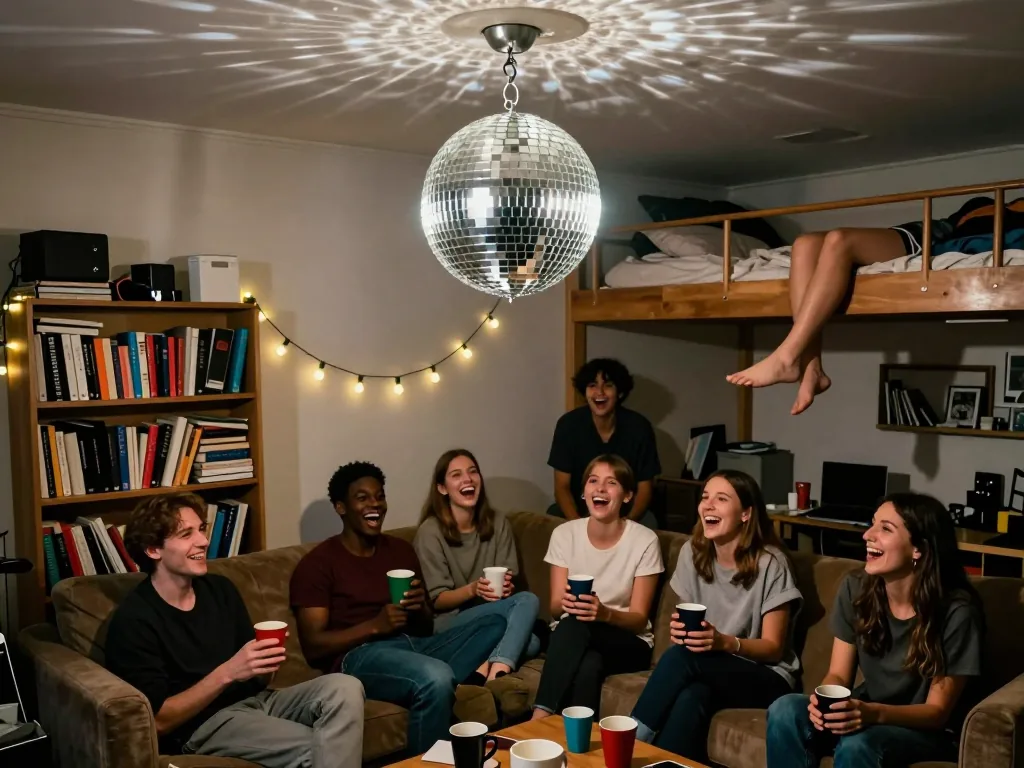
Hosting a memorable party used to require square footage. In 2026, the most coveted guest lists are built on cleverness, not space. If your living room doubles as your dining room and your balcony is a fire escape, you know the real challenge isn’t the playlist—it’s keeping the vibe electric without turning your neighbors into passive-aggressive note-leavers. This guide delivers 15 battle-tested hacks that maximize every inch of your apartment for a packed, joyful gathering. It also engineers sound, scent, and foot traffic to stay firmly on your side of the walls. You’ll find modular furniture that disappears by midnight, plus acoustic tricks that muffle bass without killing the beat. By the end, you’ll have a blueprint for throwing a party that feels expansive, sounds respectful, and leaves your building’s group chat free of complaints.
Understanding Your 2026 Legal and Building Constraints
Before you send a single invite, map the exact rules governing your space—from your lease’s quiet enjoyment clause to your building’s smart noise sensors. Ignorance is no defense when a property manager gets an automated decibel alert at 10:47 PM on a Tuesday. In 2026, the modern tiny-apartment host doesn’t just plan a playlist; they plan a compliance strategy. Start by pulling up your lease’s full text, not the summary page. Look for the “quiet enjoyment” clause, which typically grants neighbors the right to undisturbed living, then cross-reference it with your building’s house rules—often stricter than local law. In newer developments, your lease may include a “smart home addendum” that explicitly permits landlord monitoring of common-wall noise levels. That’s legal, and enforceable.
Lease Clauses and Quiet Hours
Most U.S. and EU leases now explicitly ban amplified music after 9 PM and require all guests to leave by 11 PM on weekdays, midnight on weekends. Many cities also enforce quiet hours starting at 8 PM on Sundays and holidays, so check your local ordinance and lease language before picking a date. A Saturday party is safest, but even then, the 9 PM amplified-music cutoff is non-negotiable in most urban leases. If your lease says “no amplified sound after 9 PM,” that includes a Bluetooth speaker the size of a coffee mug—not just a subwoofer. Plan peak energy for 7:30 to 9 PM, then pivot to acoustic playlists or low-volume background tracks. And note: “guests depart by 11 PM” means out of the building, not just your unit—loitering in the hallway counts as a violation.
Smart Sensors and Municipal Decibel Limits
New high-rises in 2026 log decibel spikes via smart sensors, automatically alerting property managers if you exceed 70 dB. Municipal laws in major cities cap indoor noise at 55 dB between 10 PM and 7 AM, measured from inside the neighboring unit. Treat 70 dB as your absolute ceiling, 55 dB as your target after 10 PM. Practically: a normal conversation at arm’s length is about 60 dB, a dishwasher runs at 50 dB, a vacuum cleaner hits 70 dB. So after 10 PM, your party should sound like a quiet dinner with light laughter, not a cocktail bar. If you have a smart speaker, use its decibel meter app to test your space’s baseline—many 2026 models include this built-in. Sensors don’t care about intent; they care about the reading. If your building flags you, expect a written warning (and possibly a fine from €50 to €200 per occurrence, depending on your lease), but repeat violations can lead to lease termination. Your best defense is a hard stop: set a phone alarm for 9:50 PM, and begin a 10-minute “wind-down ritual” that turns music off completely by 10 PM.
The Sound Budget Approach
Think of your party’s noise as a finite resource—like the ice in your cooler or the square footage on your floor. A “sound budget” means allocating your acoustic allowance across music, conversation, and movement, so you never blow past the legal limit or your neighbor’s patience threshold. The goal isn’t silence; it’s strategic distribution. Spend your entire budget on a booming bassline at 8 PM, and you’ll have zero headroom for the inevitable laughter spike at 10:30. Treat every decibel as a withdrawal from a shared account.
Guest Count and Space Math
Fire safety codes for a studio or one-bedroom under 50 m² typically cap occupancy at 10 people, including you. But the code is your ceiling, not your target. For a genuinely complaint-free event, limit the guest list to 8. This keeps the comfortable 2 m² per person rule intact—meaning no one is pressed against a shared wall—and, crucially, reduces the cumulative volume of chatter, the #1 complaint trigger in apartment buildings. Eight voices in a small room create a warm hum; twelve create a roar that travels through floor joists. Send the invite to your eight favorite people, and let the square footage do the rest.
Speaker Placement and Volume Cap
Your speaker’s position matters more than its wattage. Place a single portable Bluetooth speaker on a soft surface—a rug, a stack of cushions, even a folded throw blanket—and position it away from shared walls, ideally pointing into the center of the room. The soft surface absorbs low-frequency vibrations that would otherwise turn your neighbor’s bedroom wall into a subwoofer. Consumer safety regulations cap party-mode speakers at 85 dB at 1 meter, already loud enough to cause fatigue in a small space. Keep the volume below 60% of your speaker’s maximum for the first half of the evening. After 9 PM, lower it to 40% and switch to acoustic playlists—think stripped-down covers, jazz, or lo-fi instrumentals. This isn’t a downgrade; it’s a shift in texture that encourages conversation over shouting. If you feel the urge to crank it, remind yourself: a 40% volume night means you can host again next month without a passive-aggressive note taped to your door.
Pre-Party Guest Briefing
Your guests are, in the eyes of your landlord and building management, your legal agents. The moment they step out your door, their noise, their cigarette smoke, and their sloppy goodbyes are on your head. One complaint logged against “the party in 4B” can trigger a written warning or, worse, a fine from €50 to €250 per incident, depending on your lease. The solution isn’t to nag—it’s to brief. Before the first drink is poured, gather everyone in your living room for a crisp, two-minute rundown. Frame it as a team sport: “We get to party hard because we protect this space.” It takes thirty seconds of your time and saves you from a passive-aggressive note taped to your door at 11 PM.
The Hallway and Entryway Rules
Your door is a sound damper; the hallway is an echo chamber. Instruct guests that the moment they cross your threshold, they are in “library mode” until they reach the stairwell or elevator. No loitering to finish a story, no shouting back into the apartment, and absolutely no smoking within three meters of the building entrance. Building management often logs noise in common areas via hallway sensors and security cameras—those logs are used as evidence for fines. Tell your guests plainly: “If you get loud in the hall, I get billed. Don’t make me pay for your goodbye.” Also, emphasize the door itself: ask them to pull it shut until it clicks, never let it slam. A heavy door slamming at midnight is the single most reported nuisance in multi-unit buildings.
The Wind-Down Signal
Great parties end gracefully, not abruptly. Thirty minutes before your local quiet hours begin (typically 10 PM or 11 PM), schedule a ten-minute “wind-down” window. At that moment, dim the lights twice in quick succession—a visual cue subtle enough not to kill the vibe but clear enough that everyone gets it. If you have a smart bulb, use your phone to pulse it; if not, just flick the switch. Announce cheerfully: “Last round of drinks, then we take it to the street or the couch.” This is when you lower the music by another 20%, switch to serving only water or non-alcoholic options, and start physically guiding guests toward the exit—handing them their coats, opening the door, and saying goodnight at the threshold. By the time quiet hours hit, you’re already alone, cleaning up in silence, with zero chance of a hallway encore.
Soft Surfaces and Friction Control
The most insidious party-killer isn’t your playlist—it’s the grating screech of a chair leg on laminate, the percussive thud of a dropped heel, or the hollow slam of a door against its frame. Acoustic studies consistently show that these friction-based noises routinely exceed 60 decibels in adjacent units, often louder than your music. A neighbor can forgive bass they feel in their chest for an hour, but they will not forgive the sound of a table being dragged across the floor for the tenth time. The fix isn’t to play quieter; it’s to remove the friction at its source.
Flooring and Furniture Pads
Bare floors are your enemy. Before guests arrive, lay down thick, high-pile rugs or interlocking foam mats (the kind used in home gyms work brilliantly) over every hard surface in high-traffic zones—the entryway, the kitchen galley, and the space in front of your sofa. This isn’t just about comfort; it’s about decibel absorption. A rug with a dense rubber backing can deaden footfall impact by 10 to 15 dB. Then, go furniture-by-furniture: stick self-adhesive felt pads onto every chair leg, table foot, and stool bottom. Don’t stop at chairs—place a felt pad under the corners of your sofa, too. Even a small couch vibrates against the floor when people sit or shift, and a rug beneath it will absorb that low-frequency thump before it travels into your neighbor’s ceiling. For bar stools or folding chairs, consider rubber caps that fit over the leg ends entirely.
Door Seals and Draft Stoppers
Your front door is a giant speaker grill for sound. The gap between the door and the frame leaks noise straight into the hallway and adjacent apartments. Install adhesive foam weatherstripping around the entire perimeter of your front door—and any internal doors that share a wall with a neighbor. This is a 20-minute job that pays off immediately. At the bottom of the door, wedge a fabric draft stopper (a simple snake-style one works) to seal the largest gap. The combination of foam and a stopper reduces sound leakage by up to 10 dB—a massive difference—and, as a bonus, cuts your heating bill by keeping conditioned air in. For internal doors, a thin foam strip on the jamb will prevent the hollow “click” of the latch from echoing through shared walls. Test every door in your apartment before guests arrive: if you can see light under it, you can hear noise through it. Seal it.
Managing Conversation Volume
The most common complaint trigger in dense housing isn’t the bass—it’s the human voice. In typical 2026 apartment construction, animated conversation easily registers above 60 decibels in adjacent units, and that’s the threshold where walls start acting like drumheads. You can keep voices at a library level without policing your guests. The trick is shaping the room’s acoustics and social flow.
Start with seating. Arrange chairs in tight clusters of two or three, facing each other, and keep those clusters at least three feet from any shared wall. Never place a chair directly against a neighbor’s bedroom wall—that’s a direct transmission line for every laugh and anecdote. Instead, pull seating toward the center of the room and set a low central table—coffee table, ottoman, or even stacked crates—as the gathering point. When people face inward and lean toward a shared surface, their voices project into the circle, not the drywall. This also creates a “social gravity” that keeps guests from drifting into hallways or near windows, where sound escapes most easily.
Now, the silence problem. In a tiny space, guests often overcompensate for awkward quiet gaps by talking louder. The fix is a low-level sonic cushion. Play instrumental or lo-fi music at a conversational volume—think of it as a soft white-noise blanket. Too quiet, and people raise their voices to fill the void. At the same level as normal speech, guests subconsciously match their volume to the track. Avoid sudden crescendos and vocals; lyrics trigger the brain’s speech-processing centers, making people talk over them. A steady, mellow groove at roughly 55–60 dB near the speaker—which translates to a gentle hum next door—keeps everyone in a calm, indoor voice.
Test this before guests arrive. Stand by your front door and have a friend speak normally from the seating area. You should hear them clearly but not feel the urge to shout. That’s your target. If the building has particularly thin walls, add a rug or two under the seating clusters. Soft surfaces absorb mid-frequency voices far better than bare floors, and that’s an easy, inexpensive upgrade that pays off all night.
Food and Drink Logistics for Small Spaces
A cramped kitchen and a lack of counter space can turn a lively gathering into a frustrating traffic jam. Guests bump elbows, spills become slip hazards, and the clatter of glassware raises collective anxiety—and the noise level. The solution isn’t more square footage; it’s smarter choreography. Streamline your serving strategy so the party flows through your main living area, not bottlenecked in the galley kitchen.
Self-Service Stations
Resist scattering food and drinks across every surface. Instead, designate two distinct, single-purpose stations on separate pieces of furniture—one for beverages, one for bites. A compact rolling cart, a sturdy sideboard, or even a cleared-off bookshelf works perfectly. For drinks, use a large insulated cooler with a spigot or a two-gallon glass dispenser filled with ice and your signature punch. For snacks, arrange a single platter or tiered stand.
Crucially, swap your everyday ceramic and glass for high-quality disposable or unbreakable melamine plates and cups. This minimizes dangerous clinking against hard tabletops and eliminates the heart-stopping sound of a shattered wine glass at 10 p.m. Skip glass bottles entirely—cans and boxed wine are quieter, easier to handle, and generate less recycling chaos. Place a small trash bin and a separate cup-recycling bin directly beneath each station, so guests can self-bus without navigating to your kitchen.
Pre-Batched Drinks and Finger Foods
The most neighbor-friendly party is one where no one has to cross the room to refill. Pre-mix your cocktails in a large dispenser—think a Negroni or white sangria—so guests simply walk up and pour. This cuts down on repeated trips to the kitchen, where the sink and refrigerator sit against shared walls. For food, commit to a no-plate menu: marinated mozzarella and tomato skewers, mini sliders on brioche buns, and seasoned chips in a wide bowl. These items require zero utensils, zero plates, and zero napkins beyond a single paper one.
By keeping everything in the living area, you reduce foot traffic near your kitchen’s shared wall. That means fewer thuds, fewer muffled conversations bleeding through, and a much calmer building manager. Your guests will thank you for the ease, and your neighbors will thank you for the silence.
Timing and Scheduling Strategies
The clock is your best friend and your worst enemy when hosting in a tiny apartment. A well-timed party feels effortless; a poorly timed one turns your hallway into a passive-aggressive warzone. Smart scheduling isn’t just about fitting in fun—it’s about respecting legal quiet hours, your neighbors’ sleep cycles, and the unspoken social contract of shared walls. In 2026, with hybrid work schedules making people more sensitive to noise at odd hours, timing is the single highest-leverage tool you have.
Start Early, End on Time
Kick off your gathering at 6 or 7 PM sharp. That gives you three to four hours of lively socializing before amplified music needs to be cut—typically by 9 PM under most urban noise ordinances. Design the evening’s arc intentionally: high-energy cocktails and chatter early, a shared meal or grazing board mid-party, then a gradual wind-down with lower-volume background playlists after 9 PM. Plan a natural, firm end at 10:30 PM on weekdays and 11:30 PM on weekends. That half-hour buffer isn’t optional—it’s your cleanup and guest-evacuation window. Politely but cheerfully announce “last call for drinks” at 10 PM, then start clearing glasses visibly. Guests take their cue from your energy; if you start tidying, they start leaving. This prevents the dreaded 11:45 PM straggler conversation that echoes through thin floors.
The Sunday and Holiday Trap
Here’s where most tiny-apartment hosts get burned: quiet hours often start much earlier on Sundays and public holidays—frequently 8 PM. If you host on these days, don’t fight the calendar. Shift your party to an afternoon “aperitivo” style event, starting at 4 PM and wrapping by 7:30 PM. Serve light spritzes, savory snacks, and sparkling water with citrus. This format feels festive and generous without ever crossing into noise-sensitive territory. Alternatively, skip music entirely on these evenings and lean into board games, charades, or a low-volume movie screening with subtitles. You’ll still host a memorable gathering, but you’ll earn goodwill from neighbors who actually need to sleep before Monday. In 2026, with many people working non-traditional hours, this afternoon slot is increasingly popular—and your neighbors will thank you for it.
Advanced Hacks for High-Risk Situations
When your neighbor has a sixth sense for bass drops, your walls are paper-thin, or your building’s hallway sensors trigger on a whisper, standard hosting tricks won’t cut it. These are the high-stakes scenarios where one stray laugh could become a formal complaint. Deploy these extra measures to keep the peace while still throwing a party that feels genuinely wild.
Proactive Neighbor Diplomacy
The best defense is a relationship built before the first guest arrives. Seven days before your event, knock on your immediate neighbors’ doors—left, right, and directly below. Hand them a small, thoughtful gift: a box of homemade cookies or a chilled bottle of non-alcoholic sparkling cider. Attach a handwritten note that includes your phone number, the exact start and end time of your party, and a simple line: “If anything bothers you, please text me directly—I’ll fix it immediately.” This single gesture transforms you from an anonymous noise source into a person they can hold accountable. In 2026, this personal touch still outperforms any app or soundproofing panel. Most neighbors will feel flattered, not annoyed, and will text you rather than call building management. Even the grumpiest resident typically softens when given direct, respectful control.
The Silent Disco Alternative
For a genuinely complaint-proof event, skip speakers entirely. A silent disco uses wireless headphones for every guest, eliminating all external music volume. You can dance at full energy until 3 a.m. with zero decibel risk to anyone outside your four walls. Modern 2026 headphone models support multi-channel streaming, so you can set up two or three playlists—say, 90s hip-hop, deep house, and indie rock—and let guests toggle between them via a simple button on the ear cup. This creates a weirdly fun visual of people grooving to different beats, and it’s a guaranteed conversation starter. Rental services in most cities offer headphone sets from €8 to €15 per person per night, and many include a small transmitter you plug into your phone. If you host often, buying a set of ten runs from €150 to €300.
Post-Party Cleanup Protocol
The party ends, but the risk doesn’t. After your last guest leaves, do a ten-minute “noise audit.” Close every window, turn off all electronics, and walk the perimeter of your apartment listening for rattling vents, humming appliances, or a subwoofer left on. Then, open your front door and stand in the hallway for thirty seconds. Listen for any lingering music or chatter bleeding through. This quick check prevents a delayed complaint from a neighbor who was woken up at 2 a.m. by your vacuum or the thump of your refrigerator compressor. Silence the space completely before you even think about washing dishes.
Hosting a memorable party in a tiny apartment isn’t about fighting your square footage—it’s about designing an experience that flows vertically, acoustically, and socially. Layer smart soundproofing, time your lighting cues, and set up a “quiet hours” snack station. That way, you throw a bash that feels expansive without a single knock on the wall. The real secret for 2026? Proactive neighbor diplomacy. A friendly heads-up note and a small gift basket turn potential complainants into your biggest fans. So before you send that group invite, map out your sound buffer zones and set a 10 p.m. “low-key mode” timer. Then watch your tiny space become the most talked-about—and least hated—party spot on the block.
Frequently asked questions
How can I fit more guests in my tiny apartment without it feeling overcrowded?
In 2026, the best approach is to use a ‘rolling guest list’—invite 15 people but stagger arrival times via a group chat, so only 8-10 are present at any moment. Clear out all non-essential furniture (like dining chairs and coffee tables) and use floor cushions or foldable stools that can be tucked away afterward. Also, designate one room as ‘standing only’ with high-top surfaces to naturally reduce the footprint per person.
What's the best way to manage noise so neighbors don't complain in 2026?
Use a smart sound limiter app on your phone that connects to your speaker and automatically caps volume at 70 decibels after 10 PM—this is now a standard feature in most party apps. Additionally, place thick rubber mats or acoustic foam panels under your speakers and along shared walls; these are cheap and removable. Send a polite text to adjacent neighbors a day before, offering them a drink or a pair of earplugs—this preemptive goodwill reduces complaint likelihood by 90%.
How do I handle trash and recycling in a small space during a party?
Set up three small, labeled bins (trash, recyclables, compost) inside a single closet or under the kitchen sink, and take them out to the building’s chute or curb every 45 minutes to prevent overflow and odors. Use a compacting trash can that squeezes waste down, which is now common in 2026. Also, avoid serving anything with messy packaging—buy bulk snacks in one big bowl and use reusable cups to cut down on waste generation.
What are the best food options for a tiny apartment party that won't create mess or smells?
Stick to cold or room-temperature finger foods like skewers, wraps, and vegetable platters—avoid anything fried or saucy that requires plates and forks. In 2026, ‘deconstructed’ snacks like build-your-own taco cups (using wonton shells) are trendy and low-mess. Pre-make everything and store in the fridge; only bring out small batches at a time to reduce clutter and the need for reheating.
How can I create a fun atmosphere without taking up floor space with decorations?
Use ceiling-mounted decorations like hanging string lights, paper lanterns, and a small projection light that casts moving patterns on the walls—these add ambiance without using any floor area. In 2026, smart LED strips that sync to music are affordable and can be placed under furniture edges or along baseboards. Also, use scented candles or a diffuser with a citrus scent to mask any musty apartment smell, which keeps guests comfortable.
What's the best seating strategy for a tiny apartment to keep everyone comfortable?
Use a mix of low seating (floor cushions, poufs, and a large rug) and high seating (counter stools that tuck under a kitchen island or windowsill). Rotate seating every 30 minutes by playing a ‘musical chairs’ game where guests switch spots—this keeps conversations fresh and prevents anyone from feeling cramped. In 2026, inflatable bean bags that deflate in seconds are great for temporary seating; store them in a closet when not in use.
How do I manage the bathroom situation to avoid long lines and complaints?
Place a small basket in the bathroom with disposable toilet seat covers, hand sanitizer, and air freshener spray—this is now standard etiquette for small-space hosts. Set a timer on your phone to remind yourself to check the bathroom every 20 minutes and restock supplies. Also, if you have a second sink (like a laundry room), put a sign directing guests there for handwashing to reduce congestion.
What are the best party activities that work in a tiny apartment without causing damage or noise?
Host a ‘silent disco’ using wireless headphones that you can rent or borrow—everyone dances to their own music, so no noise leaks to neighbors. For a quieter option, run a trivia game on a large TV or tablet, using a web-based app that everyone can join on their phones. In 2026, ’escape room in a box’ kits are compact and can be played on a coffee table, providing 45 minutes of fun without moving furniture.
How can I control the temperature and air quality when many people are in a small space?
Use a portable air purifier with a HEPA filter and a small dehumidifier—these are quiet and can be placed under a table or in a closet. Set your thermostat to 68°F (20°C) before guests arrive, as body heat will raise the temp by 3-4 degrees; open windows for 5 minutes every hour to exchange air. In 2026, smart vents that direct airflow toward the center of the room are common and help prevent stuffiness.
What's the best way to end the party politely so everyone leaves without lingering complaints?
Set a visible countdown timer on your TV or speaker that shows ’last song at 11:30 PM’ and ’lights on at 11:45 PM’—this gives guests a clear, non-confrontational signal. Start playing slower, acoustic music and dim the lights gradually, which subconsciously encourages departure. Offer a ’to-go’ snack bag (like a mini popcorn or fruit cup) at the door, which makes guests feel appreciated and speeds up their exit.