Skip the Stadium Circus and Dig for the Underground Festivals That Actually Fit in Your Pockets
Forget overpriced stadium chaos—dig underground festivals that fit your budget and vibe, with way better snacks and zero jumbotron.
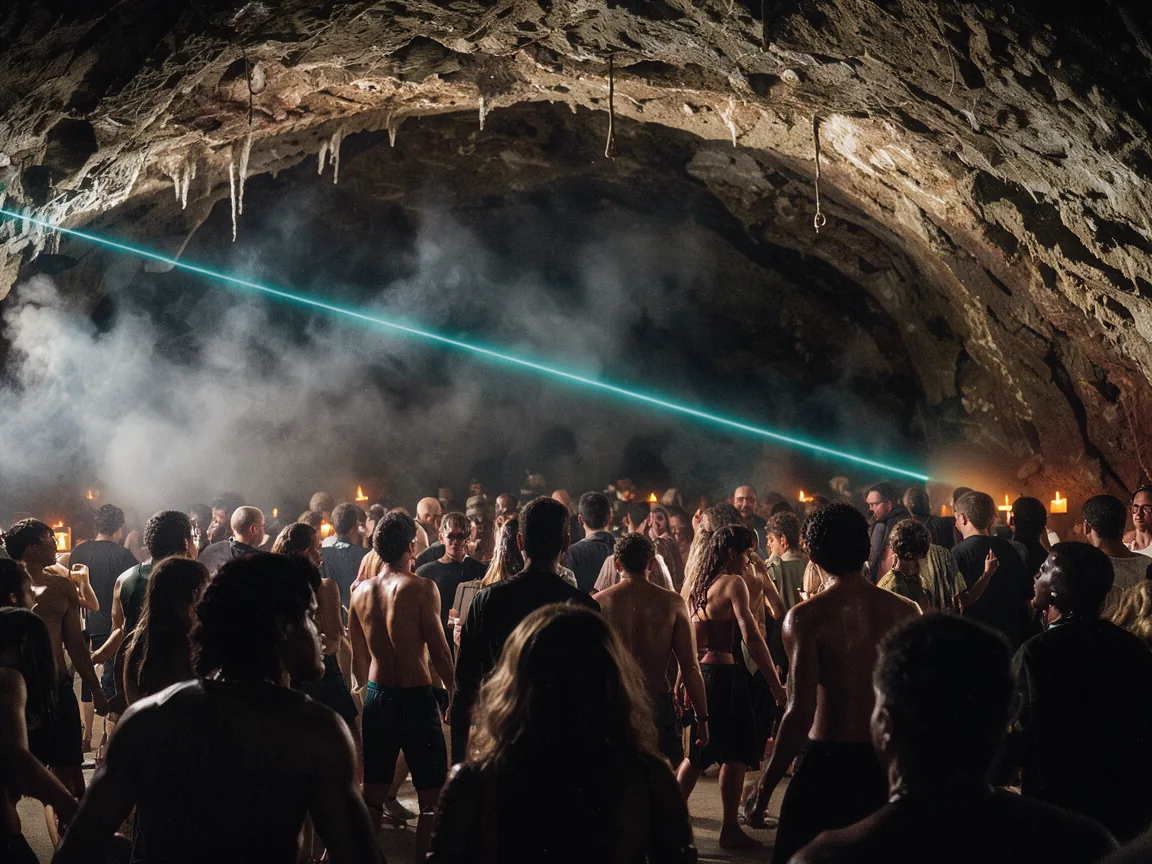
Big festivals promise firework-finales and celebrity cameos. But let’s be honest—you’ll spend more time queueing for lukewarm nachos than actually enjoying yourself. The stadium circus is a blockbuster with a 45-minute trailer. The small scene? That’s the hidden indie gem where the popcorn’s free and the projector doesn’t break. This guide skips the VIP tents and the overpriced glitter. Instead, we’re pointing you to pocket-friendly gatherings where the band knows your name by the second chorus, and the mud is part of the charm—not a marketing gimmick. You’ll leave with a full heart and, surprise, a fuller wallet. These fests cost less than a stadium hot dog combo. Ready to trade the megaphone for a campfire sing-along? Good. The real magic happens where the crowd fits in your pockets.
Why Small Underground Festivals Beat the Big Ones
Let’s be honest: the mega-festival experience is 30% music, 40% walking to a different stage, and 30% paying €9 for a lukewarm beer that tastes like it was filtered through a sock. Underground festivals, on the other hand, feel like someone accidentally left the back door open to a better, weirder party. You trade the corporate sponsorship banners for hand-painted signs, the VIP decks for a hay bale with a great view, and the 80,000-strong crowd for a few thousand people who actually know the band’s B-sides. Here’s why digging for the small stuff is the smartest move you’ll make all season.
The Stadium Circus vs. the Backyard Bonfire
Big festivals are logistical marvels—like watching a cruise ship dock in a bathtub. You queue for wristbands, queue for portaloos, queue for a glimpse of the headliner’s left shoulder on a jumbotron. The sound is mixed for the back of a football field, which means you hear more bass rumble than melody, and the “atmosphere” is mostly strangers checking their phones to see which act they’re missing. It’s a spectacle, sure, but it’s a spectacle with a queue attached to every single moment.
Now think of a small underground festival—say, a forest clearing with 300 people, a single PA system, and a generator that hums along like a sleepy cat. You can stand five feet from the stage and feel the drummer’s kick drum in your sternum. You can wander off to a fire pit, meet the bassist from the opening act, and be back before the next song ends. The lineup is curated by someone with taste, not a spreadsheet, so you’ll discover acts that never get radio play. And the “VIP” section? It’s the patch of grass where the dog is sleeping. No queues, no screens, just music and a bonfire that actually feels like a bonfire.
The real kicker: small festivals often have better sound because they’re in natural amphitheaters or tiny rooms built for acoustics, not for 100,000 ticket holders. You’re not watching a concert; you’re inside it.
How a Few Thousand Strangers Feel Like Family
There’s a weird magic that happens when you’re at a festival with 2,000 people instead of 80,000. At a mega-event, you’re a number in a crowd, and the person next to you is just an obstacle between you and the bar. At a small festival, you’re the person who lent someone a lighter, the one who helped carry a tent, the one who danced like a fool to a psych-rock band at 2 a.m. and got cheered for it. Strangers become friends because you’re all in on the same secret—and the secret is that this tiny patch of field is the best place on Earth for the weekend.
The practical side is just as warm. You’ll see the same faces at the food stall, the same kids running around, the same dog chasing a frisbee. There’s no herd mentality, just a loose, friendly vibe where people actually look out for each other. If you lose your phone, someone will find it and hold it for you. If you’re cold, someone will toss you a blanket. It’s the difference between being a spectator at a circus and being part of the troupe.
One of the best parts? The lineup is often a mix of local legends and touring gems, so you get a real sense of place. You’ll hear regional accents in the crowd, taste local food, and maybe even learn a song in a language you don’t speak. That’s the kind of memory that sticks longer than a headliner’s greatest hits medley.
Your Wallet Will Thank You for Skipping the Mega-Fest
Let’s talk money, because the price difference is genuinely hilarious. A weekend ticket to a major festival can set you back anywhere from €250 to €450 per person, and that’s before you factor in parking, overpriced food (a single burger and fries can run €12–€18), and the €8.50 beers that taste like regret. Add a tent, travel, and the “convenience” fees, and you’ve basically financed a small car. Underground festivals, by contrast, typically charge from €40 to €120 per weekend ticket, and many include camping in the price. You can eat like a king for two days on €30–€50 if you stick to the local food trucks—which are usually cheaper and better than the mega-festival chains.
Here’s a quick breakdown of what you’re actually paying for:
- Mega-festival ticket: €250–€450 per person, plus €20–€40 for parking, plus €10–€18 per meal, plus €8–€12 per drink.
- Small underground ticket: €40–€120 per person, often including camping, plus €6–€10 per meal from independent vendors, plus €4–€6 for a local craft beer.
- Extras: Small festivals rarely charge for water refills, have free workshops, and you can often bring your own booze (check the rules, but many are lenient).
The savings aren’t just about the ticket—it’s about the whole weekend. You won’t need to buy a plane ticket or a shuttle pass; you’ll likely drive an hour or two to a field you could have sworn was a secret. And when you’re not bleeding cash, you’re more relaxed, more generous, and more likely to actually enjoy the music instead of worrying about your bank balance. So skip the stadium circus, dig for the underground gems, and let your pocketbook breathe a sigh of relief while your ears get a proper treat.
What to Expect When You Dig Underground
Forget the stadium circus—the one where you pay triple digits to watch a band on a screen because you’re technically in the same zip code as them. The real magic happens in a muddy field, a repurposed warehouse, or a pine forest where the only VIP is the person who remembered to bring extra socks. Small underground festivals trade the spectacle for something better: actual intimacy, bizarre charm, and a price tag that won’t make your wallet file for divorce. Here’s what you’ll find when you trade the megadome for a muddy path and a hand-painted banner.
Tiny Crowds, Big Sounds and No Corporate Logos
You know that feeling when you’re at a big festival and you spend more time watching other people’s phones than the stage? That doesn’t happen here. With crowds rarely exceeding a few hundred, you can stand three rows from the front without needing a crowbar or a “friendship” bracelet strategy. The sound system might not be a skyscraper of speakers, but it’s tuned by someone who actually cares about the room’s acoustics—not a sponsor’s decibel requirements. You’ll hear the bass in your chest, the vocals crisp, and the occasional bird chirp during quiet parts, which somehow makes it better.
And the logos? There are none. No energy drink banners, no phone company stages, no giant inflatable credit card mascots. The only branding you’ll see is a hand-painted sign that says “Free Tea if You Help Carry the Generator.” That’s the whole vibe. These events survive on ticket sales and volunteer sweat, not ad revenue, so the only thing being sold to you is the music and maybe a questionable vegan burrito from a local collective. It’s refreshing—like finding a pub that doesn’t have a TV playing sports.
Lineups Curated by Humans, Not Algorithms
Big festival lineups are often assembled by a spreadsheet that cross-references streaming numbers and TikTok trends. Underground fests are the opposite: a human being, usually with a patchwork jacket and strong opinions about B-sides, spends months calling their favorite obscure bands and asking them to play in a barn. You won’t recognize most names, but that’s the point. You’ll discover something that feels like a secret—a lo-fi folk trio from a fishing village, a synth-punk duo who built their own drum machine, a jazz collective that only plays in minor keys.
This curation means you can trust the schedule. No overlapping headliners, no “surprise” guest who’s just the same DJ from last year. You can wander between stages (sometimes there’s only one) and know that every act was chosen for a reason, not a playlist. If you’re tired of the algorithmic echo chamber where every show sounds like the last one, this is your antidote. You might even hear a genre you didn’t know existed, like “swamp ambient” or “accordion doom,” and leave wondering why the mainstream never told you about it.
| What Big Fests Give You | What Underground Fests Give You |
|---|---|
| 50,000 strangers | 200 new friends (or friendly strangers) |
| Branded water stations | A hose and a shared jug |
| 15-minute set changes | Bands help each other carry amps |
| VIP areas | Everyone is VIP if you bring snacks |
| Merch for $50 a shirt | Hand-screened tees for $15–$25 |
| Security pat-downs | A volunteer asking if you’ve got firewood |
Camping in a Forest or Desert Without a Glamping Tent
You don’t need a yurt with a chandelier, and you definitely don’t need a “glamping” package that costs more than your rent. Underground festivals often happen in raw, beautiful places—a cedar forest, a high desert plateau, a riverside meadow—where camping is just you, a tent, and the sound of wind through leaves. Facilities are basic: portaloos that smell like regret, a cold shower if you’re brave, and a campfire that’s the real social hub. The trade-off is worth it because you wake up to birdsong, not a DJ’s wake-up set at 7 AM.
Packing smart is half the fun. Bring a tarp, a headlamp, and enough water because the nearest shop is a 20-minute drive on a dirt road. Food is often communal—think shared pots of stew or a pancake stall run by a retiree who just likes the vibe. You’ll pay somewhere from €25 to €60 per weekend ticket, and camping is usually included or costs a token €5 to €10 extra. That’s a fraction of what a big fest charges for a parking spot alone. The best part? At night, the sky is actually dark—no light pollution, no giant screens—so you can stargaze while a band plays an acoustic set by the fire. That’s the kind of memory that fits in your pocket, not your Instagram feed.
How to Find These Hidden Gems and Get In
Skip the stadium sausage-fest and the VIP tent where the stage is a rumor. The real magic happens in a muddy field, a repurposed warehouse, or someone’s surprisingly large back garden—where the sound system costs more than the fence. These festivals don’t advertise on billboards; they whisper, and you have to lean in. Here’s how to get your ear to the ground without looking like a lost tourist.
Word of Mouth, Niche Forums and Secret Passwords
The first rule of underground festival club is that you do talk about it—but only to the right people. Start by befriending the person at your local record shop who wears a patch jacket in July. They know. Ask the bartender at that one venue with sticky floors and excellent sound; they’ve seen flyers taped inside the toilet stall. You’re not stalking, you’re networking.
Niche forums and private Discord servers are where the real breadcrumbs live. Look for threads about “DIY electronic weekends” or “folk gatherings with no corporate sponsors.” When you find a promising lead, check the “FAQ” page—it often contains a passphrase. This isn’t a spy movie; it’s usually something like “bring a dish to share” or “say you know Dave.” Show up without it, and you might be turned away, or worse, asked to help carry a generator. One reliable trick is to search social media for the support acts from last year’s lineup; they often promote the smaller, sibling event before the main one is even announced. Just remember: the password is less “open sesame” and more “is that a theremin?”
Ticket Tiers from Early Bird to Door Price
Underground festivals don’t have platinum boxes, but they do have a sliding scale of commitment. The “early bird” ticket is usually a steal, because the organisers need cash to hire a portaloo or two. Expect to pay from €30 to €60 per weekend if you’re quick. The “standard” tier, bought a few weeks out, is still reasonable—think from €50 to €90 per ticket—and often includes a campsite spot that isn’t a swamp. The “door price” is the last resort: it’s higher, from €70 to €120 per ticket, and you risk the event selling out or the organiser deciding to “keep it intimate” and turning you away with a shrug.
There’s also the “pay-what-you-can” tier, which is a beautiful, chaotic gamble. Here, you might get in for €10 or €100, depending on your honesty and the organiser’s mood. A good rule of thumb: if the ticket price includes a “deposit for a compost toilet,” you’re in the right place. If it includes “valet parking,” you’ve stumbled into the wrong circus. Always bring cash for the door, because the card machine will be “borrowed” by someone who’s now dancing in a field.
Getting There Without a Helicopter or a Caravan
Public transport is your friend, but it will abandon you at a random bus stop two miles from the entrance. That’s fine; that’s half the adventure. The other half is the shared taxi, where you’ll end up sitting on someone’s amp. If you drive, don’t bring a caravan—you’ll get stuck in the mud and become a permanent art installation. A small hatchback with a sleeping bag and a tent that assembles in under ten minutes is the gold standard.
Here’s a practical list for the journey:
- Check the last bus or train time before you buy a ticket; a 4 a.m. exit isn’t fun if you have to walk 12 km.
- Bring a foldable bicycle if you can; it’s a godsend for the “car park to gate” sprint.
- Pack a headlamp, because the path is unlit and the locals enjoy a good game of “spot the lost tourist.”
- Use a ride-share app or a festival-specific lift board to split fuel costs with strangers who smell like patchouli and hope.
Once you arrive, the lack of a helicopter is a blessing—you’ll hear the bass from the gate, and the walk in is a warm-up for the dancing. The real trick is to leave your fancy expectations at the car, because the best underground festivals reward those who arrive with muddy shoes and an open mind.
The secret to a great underground festival isn’t the lineup; it’s the willingness to help a stranger peg down their tent in the wind. That’s how you get invited to the after-party.
Surviving and Thriving at a DIY Festival
Big festivals are like buying a sports car to drive to the grocery store—flashy, pricey, and you’ll spend most of your time stuck in traffic or hunting for parking. Underground festivals? They’re the beat-up hatchback that somehow finds the most beautiful beach you’ve ever seen. Smaller, scrappier, and they actually fit in your pockets, both financially and philosophically. So grab a reusable cup, leave your ego at the gate, and let’s dig into the fine art of making a tiny festival feel like the biggest thing in the world.
Bring Your Own Cup and a Willingness to Pitch In
First rule of DIY festival club: there is no bar staff. Or rather, the bar staff is you, your neighbor, and the person who just taught you a knot that actually holds. Most small festivals run on a simple swap—you bring your own cup, and in return, you get drinks that cost a fraction of stadium prices. That’s not just a money-saving tip; it’s a cultural shift. You’re not a consumer here; you’re a participant, and that starts with not tossing a plastic cup every forty-five minutes.
Pitching in doesn’t mean digging latrines (unless that’s your thing), but it does mean lending a hand when the wind knocks over the food tent or stacking chairs after a set. It’s the unspoken contract of the underground scene. In exchange for your effort, you get something far more valuable than a VIP wristband: real relationships. You’ll leave knowing the sound engineer’s name, the hummus maker’s secret, and the couple who drove four hours with a generator. That’s the kind of intimacy you can’t buy, even with a platinum package.
Noise Curfews, Neighbors and Being a Good Guest
Here’s the thing about small festivals: they often happen in someone’s field, backyard, or a community center that doubles as a yoga studio on Sundays. That means the neighbors are real people, not anonymous stadium security guards. A good underground festival respects its surroundings, and so should you. Noise curfews aren’t a buzzkill; they’re a survival mechanism. Blow out the local farmer’s eardrums, and you’ll be back to paying sixty bucks for a watered-down beer in no time.
Being a good guest means keeping your voice down at 2 a.m., not parking on someone’s lawn, and absolutely not leaving a pile of cigarette butts by the fence. It’s the golden rule of the underground: leave the place better than you found it, or at least no worse. That doesn’t mean you can’t party—it means you party with awareness. Turn the bass down at midnight, share your headlamp with a stranger, and if you see a neighbor peeking out their window, give them a friendly wave. They might even bring you fresh eggs in the morning, which beats a hot dog from a mega-venue any day.
Volunteer Crews, Profit Sharing and Zero-Waste Vibes
The economic model of a DIY festival is refreshingly honest: the money goes to the people who make it happen, not a corporate overlord. Many small festivals operate on profit-sharing, where ticket sales are split among artists, sound techs, and volunteers who do everything from gate duty to dishwashing. You might pay less for a ticket, but you’re directly supporting a community—and that feels a hell of a lot better than funding another hologram performance.
Zero-waste isn’t just a trendy slogan here; it’s a practical necessity. With no massive trash contract, you’re looking at compost bins, reusable plates, and a serious commitment to not being a jerk. Here’s a quick list to keep you in the good graces of the eco-police:
- Bring a collapsible bowl and a spork (yes, you’ll be that person, and that’s a compliment).
- Use the designated water refill station, not the tap that’s meant for washing dishes.
- Pack out what you pack in, including that mysterious tent peg you found on day two.
- If you see a cigarette butt, pick it up—it’s a tiny act that earns you massive goodwill.
The best festivals don’t ask you to be a spectator; they ask you to be a neighbor, and neighbors don’t trash their own street.
That’s the core of it. Skip the stadium circus for a small underground gathering, and you’re not just saving money—you’re investing in a weekend where your presence actually matters. The bands might not have a light show, but they’ll look you in the eye when they play. The food might be simple, but it’s cooked with care. And the memories? They’ll stick with you a lot longer than a souvenir cup from a megadome. So dig a little deeper, pack light, and get ready to find a festival that fits in your pockets and your heart.
The Real Ticket Is in Your Back Pocket
The mega-festivals keep pushing pizza the size of a manhole cover at prices that would buy a small car. Meanwhile, the underground scene serves gourmet bites for pocket change—and you keep your eardrums and your dignity intact. The takeaway? Small underground festivals worth checking out over the big ones aren’t a compromise. They’re a cheat code for better music, stranger art, and human connection that hasn’t been corporate-sanctioned. You swap the jumbotron for a fire pit, the VIP wristband for a hand-stamp, and the hour-long porta-potty line for a bush that’s only mildly suspicious. So next time the stadium circus tempts you, dig into your local flyer pile or a niche forum. Your next favorite band is probably playing in a field with twelve other people who all brought hummus. Go dig. Remember: the best festival memories don’t come with a lanyard—they come with a story you’ll tell until you’re hoarse.
Frequently asked questions
Why should I pick a tiny festival in a field over a giant one with a headliner I actually know?
Because a big festival is like a shopping mall with louder music: you queue for everything, pay for everything, and lose your friends by noon. A small one is more like a house party where the host actually remembers your name—and the band might join you for a questionable 3 a.m. pancake.
Aren't underground festivals just a bunch of people in muddy wellies listening to someone's experimental laptop?
Sometimes, yes, and that’s half the charm. But you’ll also find folk trios, brass bands, and a DJ who only plays records from the year you were born. The lineup is a lucky dip, and unlike the big shows, you can actually see the stage without needing binoculars or a crane.
How do I even find these hidden gems without a secret handshake?
Word of mouth, local record shops, and a suspiciously specific Facebook group called ‘Noise in a Barn’ are good starts. Once you go to one, the organisers will probably hand you a flyer for the next—it’s like a treasure map, but with more cider stains.
Will I be roughing it in a soggy tent with no toilets?
Most small festivals have proper loos (sometimes even flushing ones, if you’re lucky), but you might share them with a spider the size of your hand. The trade-off is that you’ll have space to dance, a shorter walk to your tent, and you won’t need a mortgage to buy a lukewarm veggie burger.
Is the music actually good, or is it just 'interesting' in a pretentious way?
It’s a mix, but the bar is lower in the best sense: bands play because they love it, not because a sponsor demands a laser show. You’ll hear raw talent, a few glorious mistakes, and at least one song that makes you text your mate ‘you had to be there’.
Won't I miss the huge production, fireworks, and giant screens?
You’ll trade a 50-metre screen for a sunset behind a hill and a bonfire that someone actually tends. The production is the sky, the trees, and the collective sweat of a few hundred people—honestly, it hits harder than any confetti cannon.
How much cheaper are these small affairs, really?
A weekend ticket typically runs from about 20 to 80 pounds (or dollars, or euros—currency is flexible), compared to a big festival’s 200 to 400 plus. You’ll also spend less on food and drink, because the local jam stall charges human prices, not ‘we’ve got you captive’ prices.
What if I don't know anyone there—will I feel like a spare part?
Small festivals are the friendliest places on earth; strangers will ask you to hold their baby while they dance, or offer you a slice of their birthday cake. By the second night, you’ll have a temporary family, and by the third, you’ll be helping them pack up the PA.
Is it safe to go to a festival that isn't on any official radar?
They’re usually legal, licensed, and run by people who care—just without the corporate gloss. Check the event’s socials for past photos and reviews, and trust your gut; if it smells like a scam, it’s probably just the compost toilet. Bring a friend, a torch, and a sense of adventure.