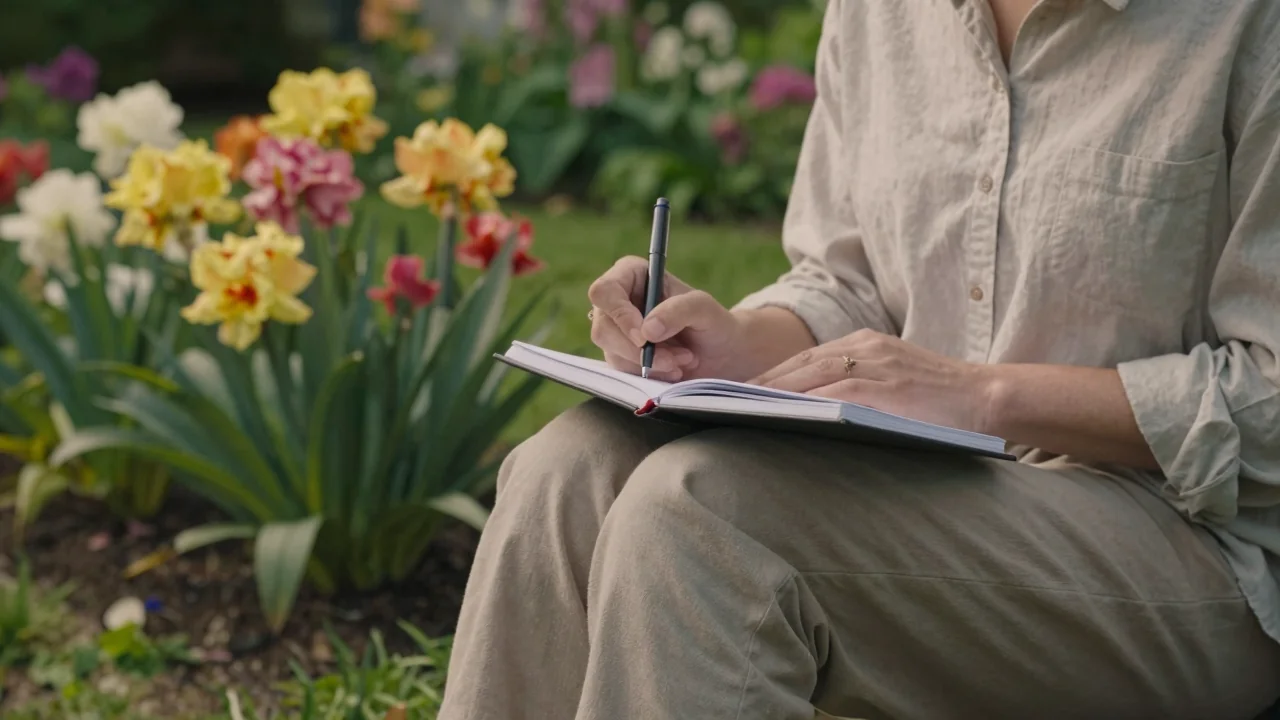
How to Become More Grateful in Daily Life
In the fast-paced world of 2026, where distractions and stress seem to dominate our daily routines, the practice of gratitude has emerged as a powerful tool for enhancing mental well-being and overall happiness. The concept of how to become more grateful in daily life is not just a fleeting trend but a scientifically backed approach to transforming your perspective and improving your quality of life. Whether you’re looking to reduce stress, build stronger relationships, or simply find more joy in everyday moments, cultivating gratitude can be a game-changer.

Introduction to Gratitude
Gratitude is more than just saying “thank you” occasionally. It’s a deep appreciation for the people, experiences, and things that bring value to your life. At its core, gratitude is about recognizing the good in your life and acknowledging the sources of that goodness. This can range from appreciating the support of loved ones to being thankful for simple pleasures like a beautiful sunset or a delicious meal. Understanding the fundamentals of gratitude is the first step toward integrating it into your daily routine.
Historically, gratitude practices have been a part of various cultures and religions, emphasizing the importance of thankfulness and humility. In modern times, gratitude has been studied extensively, revealing its profound impact on mental and physical health. By making gratitude a habitual practice, you can rewire your brain to focus more on positivity and less on negativity.
Benefits of Practicing Gratitude
Practicing gratitude regularly can lead to a multitude of benefits that enhance your overall well-being. According to research on gratitude benefits, individuals who cultivate gratitude experience improved mental health, stronger relationships, and even better physical health. Some of the key benefits include reduced stress levels, increased resilience, and a greater sense of life satisfaction.
On a personal level, gratitude can help you navigate challenges more effectively. When you focus on what you’re grateful for, even in difficult times, you develop a more optimistic outlook. This shift in perspective can make problems feel more manageable and solutions more attainable. Additionally, expressing gratitude to others can strengthen your social connections, fostering deeper and more meaningful relationships.
From a professional standpoint, gratitude can boost productivity and job satisfaction. Employees who practice gratitude are more likely to feel engaged and motivated, leading to higher performance and a positive work environment. Companies that encourage a culture of gratitude often see lower turnover rates and higher employee morale.

The Science Behind Gratitude
The science of gratitude has revealed fascinating insights into how this practice affects the brain and body. Studies have shown that gratitude can increase the production of dopamine and serotonin, neurotransmitters associated with happiness and well-being. This chemical response can create a positive feedback loop, making it easier to maintain a grateful mindset over time.
Neuroscientific research indicates that practicing gratitude can actually change the structure of your brain. Areas associated with empathy and emotional regulation become more active, while regions linked to stress and negativity show reduced activity. This neural rewiring can lead to long-term improvements in emotional resilience and overall mental health.
Furthermore, gratitude has been linked to better physical health outcomes. People who regularly practice gratitude report fewer symptoms of illness, lower blood pressure, and stronger immune systems. The mind-body connection is undeniable, and fostering a grateful attitude can have a ripple effect on your physical well-being.
Simple Ways to Practice Gratitude Daily
Incorporating gratitude into your daily life doesn’t have to be complicated. There are numerous simple yet effective ways to cultivate a grateful mindset. One of the easiest methods is to start your day by listing three things you’re grateful for. This practice sets a positive tone for the rest of your day and helps you focus on the good rather than the bad.
Another effective technique is to express gratitude to the people around you. Whether it’s a heartfelt thank-you note, a verbal expression of appreciation, or a small act of kindness, acknowledging the positive impact others have on your life can strengthen your relationships and boost your own happiness.
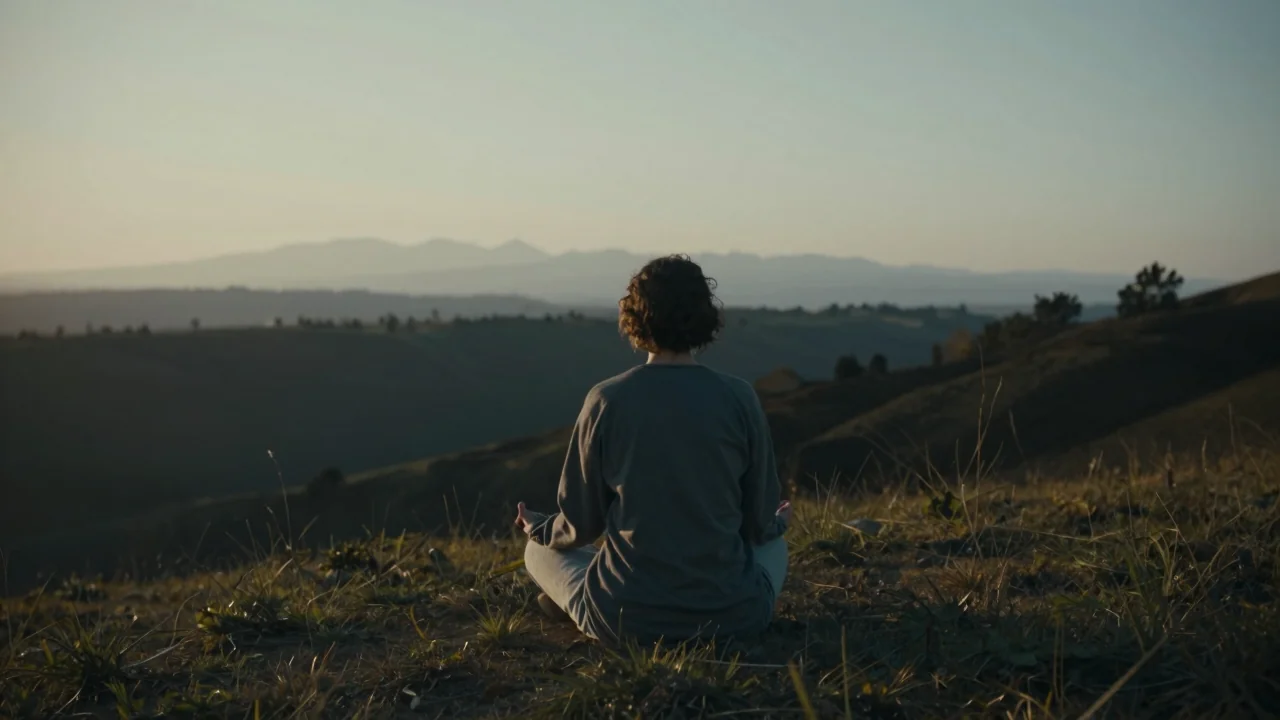
Mindful breathing exercises can also enhance your gratitude practice. Taking a few moments each day to breathe deeply and reflect on what you’re thankful for can help you stay grounded and present. Combining mindfulness with gratitude can amplify the benefits of both practices.
Gratitude Journaling Techniques
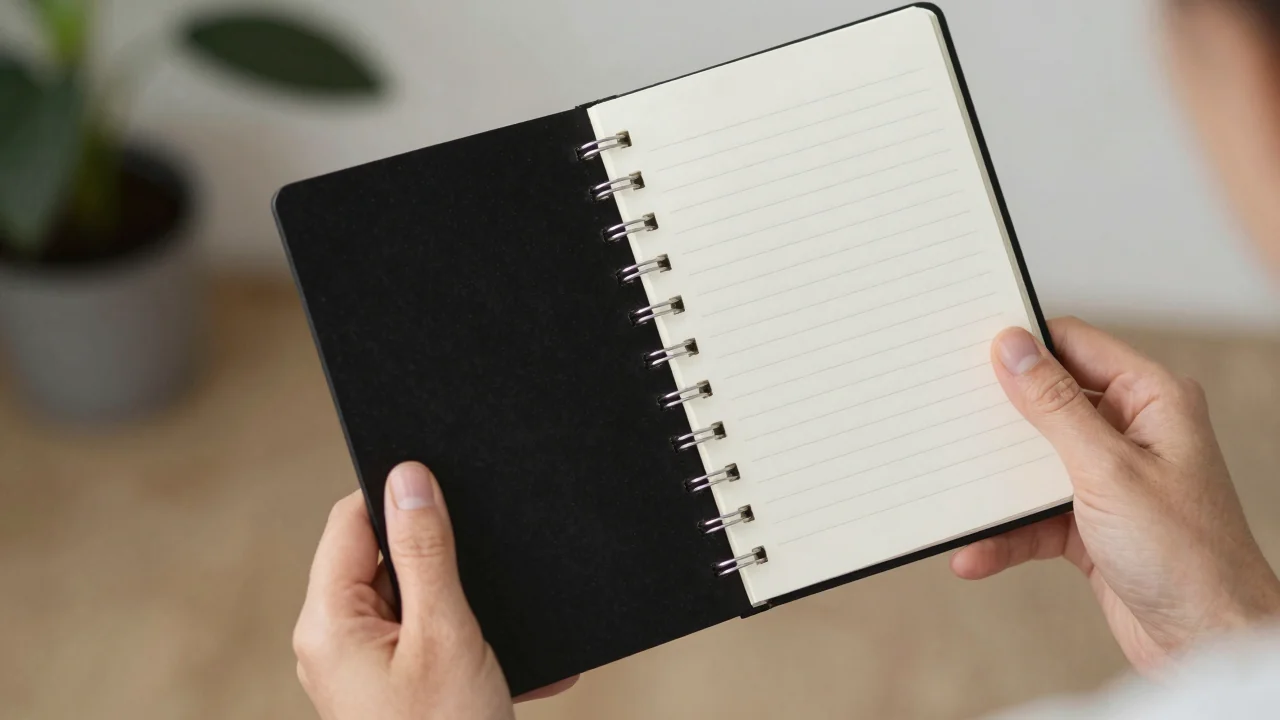
Gratitude journaling is one of the most popular and effective ways to cultivate a grateful mindset. Keeping a journal allows you to reflect on the positive aspects of your life systematically. To get started, set aside a few minutes each day to write down things you’re grateful for. These can be big or small, ranging from significant life events to everyday moments of joy.
For a more structured approach, try using prompts to guide your journaling. Questions like “What made me smile today?” or “Who supported me in a meaningful way?” can help you dig deeper into your feelings of gratitude. You can also experiment with different formats, such as bullet points, paragraphs, or even drawings, to make the practice more engaging.
Consistency is key when it comes to gratitude journaling. Aim to write in your journal at the same time each day, whether it’s in the morning, afternoon, or evening. This routine will help you build the habit and reap the long-term benefits of gratitude.
Creating a Gratitude Ritual
Transforming your gratitude journaling into a ritual can make it even more meaningful. Consider lighting a candle, playing soft music, or finding a quiet space to write. These small touches can create a sacred moment of reflection and appreciation.
Mindfulness and Gratitude
Mindfulness and gratitude are closely interconnected practices that can enhance each other. Mindfulness involves being fully present in the moment, while gratitude focuses on appreciating the good in your life. When combined, these practices can create a powerful synergy that promotes emotional well-being and mental clarity.
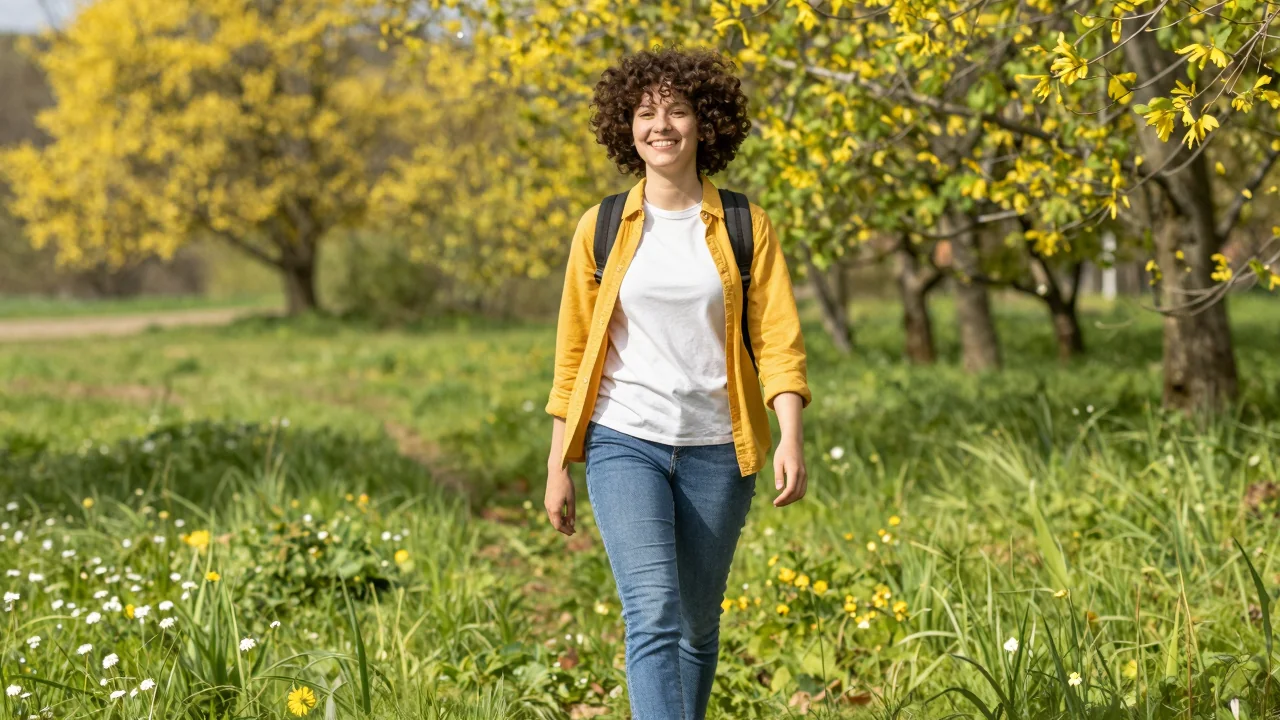
One way to integrate mindfulness and gratitude is through mindful gratitude walks. As you walk, pay attention to the sensations of your body, the sounds around you, and the beauty of nature. At the same time, reflect on what you’re grateful for in that moment. This dual focus can deepen your connection to both your surroundings and your inner self.
Another technique is to practice mindful eating with gratitude. Before each meal, take a moment to appreciate the food in front of you. Consider the effort that went into growing, preparing, and serving the meal, and express gratitude for the nourishment it provides. This practice can transform eating into a more mindful and enjoyable experience.
Overcoming Challenges in Practicing Gratitude
While the benefits of practicing gratitude are well-documented, it’s not always easy to maintain a grateful mindset, especially during challenging times. One common obstacle is negative thinking patterns, which can overshadow the good in your life. To overcome this, try reframing your thoughts by focusing on the positive aspects of difficult situations.
Another challenge is the tendency to compare yourself to others. Social media and societal pressures can make it easy to feel like you’re not measuring up. To combat this, practice gratitude for your unique strengths and accomplishments, and remind yourself that everyone’s journey is different.
It’s also important to be patient with yourself. Cultivating gratitude is a journey, and it’s normal to have days when it feels harder to find things to be thankful for. On those days, focus on small, simple pleasures, like a warm cup of tea or a comfortable chair.
Practical Tips for Daily Wellbeing
Incorporating gratitude into your daily routine is just one aspect of improving wellbeing daily. To create a holistic approach to well-being, consider combining gratitude with other self-care practices. Regular exercise, a balanced diet, and adequate sleep are all essential for maintaining both physical and mental health.
Setting boundaries is another crucial aspect of well-being. Learn to say no to activities or commitments that drain your energy and prioritize those that align with your values and goals. This will help you create a more balanced and fulfilling life.
Finally, don’t forget the importance of self-compassion. Be kind to yourself, especially on days when you struggle to find gratitude. Remember that well-being is a journey, not a destination, and every small step counts.
Conclusion: Embracing a Grateful Life
Embracing a grateful life is a transformative journey that can lead to profound changes in your well-being and happiness. By understanding the how to become more grateful in daily life, you can unlock the power of gratitude to enhance your mental and physical health, strengthen your relationships, and find more joy in everyday moments. Remember, gratitude is not about ignoring life’s challenges but about finding the good even in the toughest times.
As you continue to practice gratitude, you’ll discover that it becomes a natural part of your mindset, influencing every aspect of your life. Whether you choose to keep a gratitude journal, express appreciation to others, or simply take a moment each day to reflect on the good in your life, the benefits will be undeniable. Embrace the power of gratitude and watch as your life transforms in beautiful and meaningful ways.