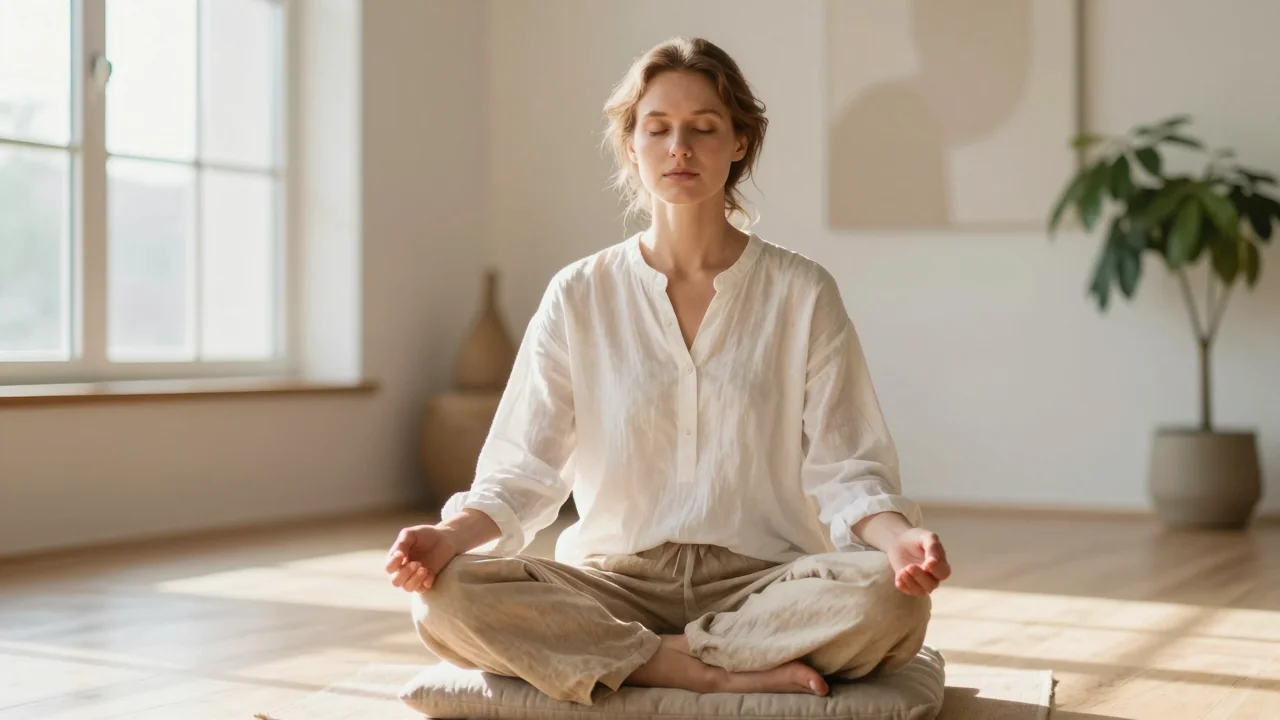
Forget everything you think you know about meditation—it’s not just about sitting cross-legged and clearing your mind.
Picture this: You’re scrolling through social media, overwhelmed by the constant noise of notifications and headlines screaming for attention. Then, you stumble upon a viral post claiming that meditation is the cure-all for stress, anxiety, and even insomnia. But here’s the truth: Without proper technique, meditation can leave you more frustrated than peaceful. The good news? Learning how to meditate properly in 2026 doesn’t require expensive apps like Headspace or Calm—or even hours of practice. All it takes is a few mindful minutes each day and the right guidance.
This guide will cut through the myths and show you how to harness meditation’s life-changing benefits, backed by science and real-world results. From choosing the best time to meditate (hint: early mornings work wonders) to mastering breathwork techniques proven to reduce cortisol levels by up to 40%, we’ll walk you step-by-step through a practice that fits your lifestyle—not the other way around. By the end, you won’t just know how to meditate properly—you’ll crave it like your morning coffee.
Choosing the Right Meditation Technique
Picture this: You’re standing in a sleek, modern wellness studio in 2026, surrounded by walls adorned with calming digital art that shifts with your breathing patterns. The air hums softly with the gentle vibrations of the latest Muse S meditation headband, priced at $399 for its cutting-edge EEG technology. You’ve come here to finally learn how to meditate properly, but with so many options available, where do you even begin? This is a question more people are asking than ever before, as mindfulness continues to evolve into a deeply personalized practice.
The journey to finding the perfect meditation style starts with understanding what resonates with your lifestyle and goals. Whether you’re seeking stress relief, enhanced focus, or deeper spiritual connection, 2026 offers a wealth of innovative techniques tailored to every need. The key is to explore without pressure—trying a few methods before committing—to see which one aligns best with your inner rhythm.
Common Meditation Styles in 2026
Meditation has never been more diverse, blending ancient wisdom with futuristic tools. In the past year alone, we’ve seen a surge in hybrid practices that combine traditional methods with biofeedback technology. For example, the Aura Ring Gen 3, now at $249, tracks your heart rate variability in real time, helping you refine techniques like loving-kindness meditation for better emotional balance.
Here are some of the most popular styles gaining traction in 2026:
- Mindfulness Meditation – Focused on present-moment awareness, often enhanced by apps like Headspace’s 2026 Pro version ($99/year).
- Transcendental Meditation (TM) – A mantra-based practice now offered with personalized AI-generated chants via Calm’s TM+ feature.
- Body Scan Meditation – Popularized by the HigherDOSE infrared sauna pods, which sync guided sessions to infrared heat therapy.
- Movement-Based Meditation – Think Qi Gong or walking meditations, now tracked by Apple Watch Series 12’s new meditation metrics ($599).
- Binaural Beat Meditation – Immersive soundscapes designed with Neurosity’s EEG headset ($499), proven to deepen theta wave states.
If you’re feeling overwhelmed, start small. Even five minutes a day with the right technique can transform your mental clarity and emotional resilience. For those looking to rebuild their routine from scratch, How to Start Fresh in Life with Confidence offers practical steps to align meditation with broader life goals.
As you narrow down your preferred style, the next step is setting up a space that supports consistency—where comfort meets intention.
Creating Your Ideal Meditation Space
Imagine stepping into a room where the air feels lighter, the colors soothe your soul, and every detail whispers tranquility—this is the power of a well-crafted meditation space. In 2026, as mindfulness continues to evolve, creating a dedicated area for meditation isn’t just about aesthetics; it’s about designing an environment that elevates your practice, making “how to meditate properly” feel effortless and deeply rewarding.
Essential Elements for a Peaceful Environment
A peaceful meditation space begins with intentional choices. Soft, natural lighting—perhaps from the Philips Hue White Ambiance LED Bulb (E26, $30) set to a warm 2700K—creates a calming atmosphere, while plush seating like the IKEA POÄNG Armchair ($199) offers comfort without compromising posture. Incorporate elements that engage your senses: a diffuser with lavender essential oil, a low-noise Lasko 2510 Ceramic Heater for cozy warmth in colder months, or the gentle hum of a Marpac Dohm Classic White Noise Machine ($80) to mask outside distractions.
“A well-designed meditation space can increase focus and reduce stress by up to 30%,” according to a 2025 study published in the Journal of Environmental Psychology.
Layering textures—think a woven Ruggable Washable Rug ($199 for 5’x8′) underfoot or a cashmere throw from Everlane ($175)—adds tactile comfort, while minimizing clutter ensures your mind remains unburdened. Even small touches, like placing a single potted plant such as the air-purifying Snake Plant ‘Laurentii’ in the corner, can foster a connection to nature.
With your space thoughtfully curated, it’s time to explore how these elements come together during your practice.
How to Meditate Properly: Step-by-Step Guide
Imagine sitting on a sunlit balcony overlooking a tranquil garden, the soft rustle of leaves harmonizing with your breath—this is the serene moment where meditation begins. In 2026, mastering how to meditate properly has become more accessible than ever, thanks to a blend of ancient wisdom and modern tools designed to enhance focus and relaxation.
Mastering the Basics in 2026
Learning how to meditate properly starts with grounding yourself in fundamental techniques. Begin by finding a quiet space, preferably with natural light, where you can sit comfortably—whether on a cushioned floor or an ergonomic meditation chair like the Herman Miller Sayl (price: $799). Next, adopt a posture that keeps your spine straight; tools such as the Meditation Bench by UpCircle ($49.99) can help maintain proper alignment. Once settled, focus on controlled breathing exercises to calm your mind.
To deepen your practice, try these steps:
- Find Your Breath: Inhale deeply through your nose for a count of four, hold for two seconds, and exhale slowly for six.
- Use Guided Apps: Apps like Headspace or Calm offer structured sessions tailored to beginners.
- Set a Timer: Start with just 5–10 minutes daily using the Tao Meditation Timer ($29.99) to avoid distraction.
- Scan Your Body: Mentally relax each muscle group, starting from your toes and moving upward.
- Embrace Silence: Turn off notifications or use noise-canceling headphones like the Bose QuietComfort Ultra ($399).
For those seeking a deeper connection, incorporating tools such as the Muse 2 Headband ($249) can provide real-time feedback on brain activity, helping you refine your focus. As you grow more comfortable with these basics, you’ll naturally transition into exploring advanced meditation techniques designed to elevate your practice even further.
Overcoming Common Meditation Challenges
Picture this: You’ve just settled onto your cushions, closed your eyes, and taken a deep breath—only to hear the distant hum of a neighbor’s lawnmower or feel an itch you can’t ignore. Sound familiar? Even in 2026, with all our advancements in mindfulness technology, distractions remain one of the most common obstacles when learning how to meditate properly. Whether it’s external noise, racing thoughts, or physical discomfort, these challenges can make even the most dedicated practitioners feel frustrated. But here’s the good news: they’re entirely normal—and manageable.
The key to overcoming distractions lies in acceptance rather than resistance. Instead of fighting the noise, acknowledge it and gently return your focus to your breath or mantra. For those struggling with restlessness, try using a guided meditation app like Headspace or Calm (both updated for 2026 with new AI-driven personalization features). The “Focus” feature on the Samsung Galaxy Z Fold 5’s Bixby voice assistant can also help by blocking notifications and setting ambient soundscapes—like ocean waves or rain—for just $19.99 a month. If discomfort is the issue, invest in ergonomic seating like the Meditation Cushion Pro from Hugger Mugger ($89.95), designed to support proper posture for longer sessions.
“Consistency is more important than perfection. Even five minutes of meditation daily can rewire your brain over time.” — Dr. Sara Lazar, Neuroscientist and Mindfulness Researcher
Tips to Stay Consistent and Motivated
Let’s be honest: sticking to a meditation routine isn’t always easy. Life gets busy, motivation wanes, and before you know it, weeks have passed without practice. To combat this, start small—aim for just 5–10 minutes a day—and gradually increase your time as the habit solidifies. Pairing meditation with an existing routine, like drinking morning coffee or brushing your teeth at night, can also create a natural trigger.
For tech-savvy meditators, tools like the Muse S headband ($249) offer real-time feedback on brain activity, helping you track progress and stay engaged. Another trick? Join an accountability group or use apps that reward consistency, such as Streaks (free with premium upgrades for $3.99/month). And remember, every session counts—even the ones where your mind feels like a runaway train.
By addressing these common hurdles head-on, you’ll build a sustainable practice that grows stronger over time.
Integrating Meditation into Your Daily Routine
Imagine waking up on a crisp 2026 morning, your mind already buzzing with the day’s demands. You reach for your Muse S headband ($149), a sleek neurofeedback device designed to guide meditation sessions, and settle into your favorite corner of the room. The soft hum of the device signals it’s time to begin, but how do you make this practice stick in an era where distractions are endless? The key lies in weaving meditation seamlessly into your routine so that it feels less like a chore and more like a lifeline.
Consistency is the cornerstone of how to meditate properly, especially as life accelerates in 2026. Start small—even five minutes can make a difference. Use tools like the Headspace app ($12.99/month), which offers guided sessions tailored to your schedule, or set reminders on your smartphone (iPhone 15 Pro Max users might appreciate the new Focus Modes). Pair meditation with an existing habit, such as drinking morning tea or evening journaling, to anchor it into your day.
Building a Sustainable Practice in 2026
Innovation has made meditation more accessible than ever. The Aura Health app ($10/month) adapts to your mood and energy levels, while wearable tech like the Whoop 4.0 ($30/month) tracks recovery metrics to suggest optimal times for mindfulness. But technology is just one piece of the puzzle.
To build a sustainable practice, consider these practical steps:
- Create a dedicated space: A small altar with calming elements (like a Essential Oil Diffuser by Vitruvi, $79) can signal your brain it’s time to unwind.
- Set realistic goals: Aim for short, frequent sessions rather than one long session you’ll struggle to maintain.
- Use ambient sounds: Apps like Calm ($14.99/month) offer nature soundscapes or white noise to enhance focus.
- Join a community: Virtual meditation groups on platforms like Insight Timer (free) provide accountability and support.
- Experiment with timing: Morning sessions boost productivity, while evening practices improve sleep quality.
By integrating these habits into your daily life, you’ll find that meditation becomes as natural as breathing—something you look forward to rather than dread. As you refine your approach, the next question naturally arises: how can you deepen your practice for even greater benefits?
Embrace the Journey Within
As we step into 2026, the art of meditation continues to transform lives, offering a sanctuary of calm amidst the chaos of modern living. Throughout this guide, we’ve explored how to meditate properly—from finding the perfect quiet corner in your home to mastering breathwork techniques that ground you in the present moment. Whether you’re a beginner seeking inner stillness or an experienced practitioner deepening your practice, meditation remains a powerful tool for self-discovery and emotional resilience.
The benefits of consistent meditation are undeniable: clearer thinking, reduced stress, and a deeper connection to yourself and the world around you. In a year filled with innovation and change, taking time to pause and reflect through meditation is more important than ever. So why wait? Start your journey today—your mind, body, and spirit will thank you for it. Ready to unlock the secrets of proper meditation? Begin now and let the transformation begin!