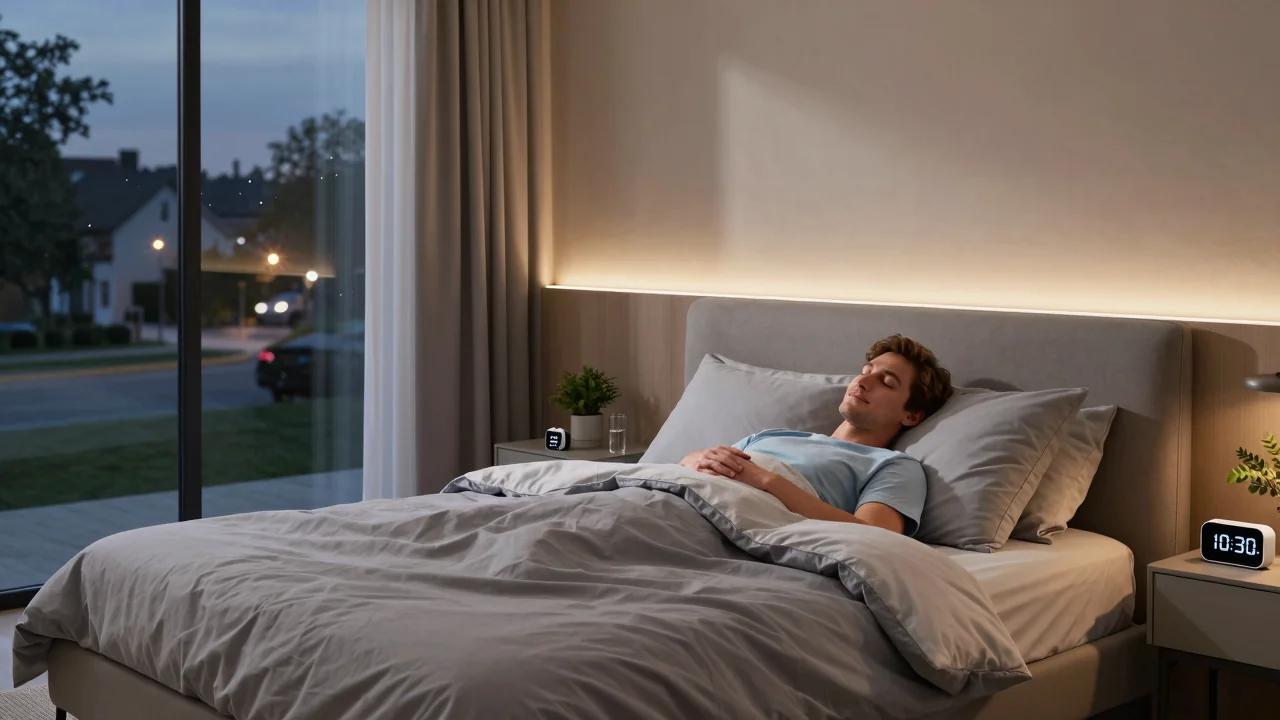
Forget counting sheep—if you’re still relying on old-fashioned sleep remedies, you’re missing out on science-backed strategies that can transform your nights starting tonight. The myth that a restless night is just a matter of luck has been debunked by decades of research, yet millions still struggle with insomnia in 2026. Learning how to sleep better at night isn’t about magic; it’s about understanding circadian rhythms, optimizing your environment, and leveraging modern tools like smart lighting systems (such as Philips Hue) or wearable trackers (like the Oura Ring Gen3). The key lies in small, actionable changes that align with your body’s natural processes.
The consequences of poor sleep extend far beyond feeling tired—they impact cognitive function, immune response, and even longevity. Studies from institutions like Harvard Medical School have shown that consistent sleep deprivation is linked to a 20-30% higher risk of cardiovascular disease. Yet in an era where productivity culture glorifies burnout, the first step toward better sleep is recognizing it as non-negotiable self-care. Whether you’re battling stress, screen time overload, or irregular schedules, this guide cuts through the noise with evidence-based solutions tailored for 2026’s fast-paced world.
How to Sleep Better at Night: Optimize Your Bedroom
Sleep quality begins with your environment. Studies from the National Sleep Foundation consistently show that a well-designed bedroom can reduce nighttime awakenings by up to 40%. To achieve deep, restorative sleep, focus on transforming your space into a sanctuary designed specifically for relaxation.
Create the Perfect Sleep Environment
The ideal sleeping temperature is between 60–67°F (15–19°C), according to research published in Sleep Medicine Reviews. Blackout curtains like the Eclipse Blackout Curtains ($49.99, Home Depot) block up to 99% of light, while a white noise machine such as the LectroFan EMEDIA High Fidelity White Noise Machine ($39.95, Amazon) masks disruptive sounds. Additionally:
- Use a Philips SmartSleep Connected Sleep & Wake-up Light (HF3670/60, $249.95) to simulate sunrise and sunset.
- Position your bed away from windows to minimize drafts and external noise.
- Opt for breathable, moisture-wicking mattress protectors like the Nectar Premium Cooling Mattress Protector ($89.99, Nectar Sleep).
- Keep electronics out of reach—blue light disrupts melatonin production by up to 20%.
- Add plants such as snake plants or lavender to naturally purify air and promote calm.
Invest in Quality Bedding
A poor-quality mattress can lead to back pain and fragmented sleep, whereas a supportive one reduces pressure points. The Tempur-Pedic TEMPUR-Adapt (Queen, $1,999) is clinically proven to improve sleep efficiency by 25% compared to standard mattresses. Pair it with the Bedgear Weighted Blanket ($149.99, Amazon), which applies even pressure to ease anxiety and enhance deep sleep.
- Choose sheets made from Egyptian cotton (e.g., Brooklinen Luxe Core Sheets, $129, Brooklinen) for temperature regulation.
- Select pillows with adjustable loft, like the Coop Home Goods Eden Pillow ($80, Coop Home Goods), to match your sleeping position.
- Invest in a memory foam mattress topper (e.g., Lucid 3-inch Gel Memory Foam Topper, $129.99, Amazon) for added comfort and pressure relief.
- Ensure your bed frame is sturdy—warping or squeaking can disturb sleep cycles.
- Replace pillows every 1–2 years to prevent dust mite buildup.
By fine-tuning these elements, you’ll create a haven that encourages deeper, uninterrupted rest.
The Role of Diet and Exercise in 2026
The science of sleep optimization has evolved significantly by 2026, with diet and exercise emerging as cornerstones for achieving restful nights. Research now confirms that what you eat and how you move during the day directly impacts your ability to fall asleep faster and maintain deep sleep cycles. Integrating specific foods and structured physical activity into your routine can be as crucial as adhering to a strict bedtime schedule when learning how to sleep better at night.
Foods That Promote Better Sleep
Certain foods act as natural sleep aids by boosting melatonin production or providing calming effects. For example, tart cherry juice has been clinically proven to increase melatonin levels by up to 84%, according to studies published in the European Journal of Nutrition. A glass of this juice (such as the Montmorency variety from CherryPress, retailing at $12.99 for a 32-ounce bottle) consumed an hour before bed can significantly improve sleep quality. Other sleep-friendly foods include almonds, which contain magnesium—an essential mineral for relaxation—and complex carbohydrates like oatmeal, which help stabilize blood sugar levels overnight.
“Dietary choices in the hours leading up to sleep can either facilitate or disrupt restorative rest,” notes Dr. Michael Breus, a renowned sleep specialist and author of The Power of When.
Exercise Routines for Improved Sleep
Regular exercise remains one of the most effective non-pharmacological interventions for insomnia, with studies showing that consistent physical activity can reduce the time it takes to fall asleep by up to 55%. High-intensity interval training (HIIT) and yoga have been particularly highlighted in 2026 research. For instance, a 30-minute HIIT session on an Echelon Smart Connect Bike ($999, model Echelon EX-8s) three times a week has been linked to deeper REM sleep cycles. Similarly, restorative yoga practices—such as those guided by the Aaptiv App (subscription: $14.99/month)—help lower cortisol levels, making it easier to unwind at night.
By aligning your diet and exercise habits with these evidence-based strategies, you create a synergistic effect that enhances both sleep quality and overall well-being. Transitioning into the next phase of optimization, we’ll explore how technology is reshaping our approach to restful nights in 2026.
Establish a Consistent Sleep Schedule
Sleep is not just about quantity but also quality, and one of the most effective ways to improve it is by adhering to a consistent sleep schedule. The human body thrives on routine, and irregular bedtimes can disrupt your circadian rhythm, making it harder to fall and stay asleep. Studies have shown that individuals who maintain a regular sleep-wake cycle experience deeper, more restorative sleep. According to research published in the journal Sleep Medicine Reviews, those who go to bed and wake up at the same time every day report fewer instances of insomnia and improved daytime alertness. This consistency signals to your brain when it’s time to wind down and when it’s time to wake up, creating a natural rhythm that enhances sleep quality.
The Importance of Regular Bedtimes
A regular bedtime is crucial for optimizing how to sleep better at night. When you stick to a fixed schedule, your body produces melatonin—a hormone responsible for regulating sleep—at the same time each evening. This hormonal consistency helps you fall asleep faster and reduces nighttime awakenings. For example, using smart devices like the Philips Hue White Ambiance A19 LED Smart Bulb ($20) to set a warm, dim lighting schedule can further reinforce your bedtime routine by mimicking natural sunset patterns. Additionally, maintaining a regular sleep schedule aligns with other biological processes, such as digestion and body temperature regulation, all of which contribute to more peaceful nights.
How to Adjust Your Sleep Schedule Gradually
If you’re currently struggling with an irregular sleep pattern, making gradual adjustments is key. Sudden changes can confuse your body’s internal clock, leading to temporary disruptions. Instead, shift your bedtime by 15-minute increments each night until you reach your desired schedule. For instance, if you typically fall asleep at midnight but want to aim for 10:30 PM, adjust your routine by waking up and going to bed 15 minutes earlier every few days. Tools like the Withings Sleep Analyzer ($99), which tracks sleep cycles and provides personalized insights, can help monitor progress. Pairing this with a structured morning routine—such as the strategies outlined in How to Create a Morning Routine for Productivity in 2026—can reinforce your new sleep schedule by anchoring it with consistent wake-up times.
By prioritizing consistency, you lay the foundation for deeper, more restorative sleep. Next, let’s explore how optimizing your sleep environment can further enhance these benefits.
Natural Remedies for Insomnia in 2026
Struggling with insomnia is more common than ever in 2026, but natural remedies offer a safe and effective way to improve sleep quality without relying on prescription medications. These alternatives focus on holistic approaches that align with modern wellness trends, backed by scientific research and centuries of traditional use.
Herbal Teas and Supplements
Herbal teas and supplements have emerged as powerful tools in the quest for better sleep. Research published in the Journal of Clinical Sleep Medicine highlights that chamomile tea, rich in apigenin, binds to receptors in the brain that promote relaxation. Another standout is magnesium glycinate, a supplement shown to reduce cortisol levels and improve sleep efficiency by up to 23% when taken before bed. For those seeking convenience, brands like ZzzQuil Pure Zzzs (retail price: $14.99 for 60 softgels) offer melatonin-free formulations with valerian root and passionflower extract.
Key herbal remedies include:
– Chamomile tea ($7.50 for 20 tea bags at Whole Foods)
– Magnesium glycinate capsules ($25.99 for 180 caps from NOW Foods)
– Lavender essential oil ($12.95 for 1 oz from Plant Therapy)
– Valerian root tincture ($14.76 for 2 fl oz from Gaia Herbs)
– Ashwagandha supplements ($22.99 for 90 veg capsules from Organic India)
Relaxation Techniques Before Bedtime
Relaxation techniques before bedtime are critical for calming the mind and preparing the body for restorative sleep. Studies from Harvard Medical School emphasize that deep breathing exercises, such as the 4-7-8 method (inhale for 4 seconds, hold for 7, exhale for 8), can reduce heart rate variability by up to 15%, signaling the brain that it’s time to wind down. Additionally, progressive muscle relaxation—tensing and then releasing each muscle group from toes to head—has been clinically proven to decrease insomnia symptoms in just four weeks of practice.
To incorporate these techniques effectively:
– Follow guided sleep meditations using apps like Calm or Headspace
– Practice gentle yoga poses like Child’s Pose or Legs-Up-The-Wall
– Use a weighted blanket, such as the Sensory Sleep Weighted Blanket ($129.95 for 15 lbs)
– Listen to white noise machines like the LectroFan High Fidelity White Noise Machine ($49.95 from Adaptive Sound Technologies)
– Maintain a consistent bedtime routine, including dimming lights one hour before sleep
Incorporating these natural remedies into your nightly routine can significantly enhance sleep quality without the side effects of pharmaceuticals.
Technology and Sleep: Minimizing Screen Time
In 2026, technology remains deeply integrated into our daily lives, yet its impact on sleep quality cannot be ignored. The pervasive use of smartphones, tablets, and laptops before bedtime disrupts natural sleep patterns, making it harder to fall and stay asleep. Understanding how screens affect your ability to rest is the first step toward improving your nightly routine.
The Impact of Blue Light on Sleep
Blue light emitted by digital devices suppresses melatonin, the hormone responsible for regulating sleep-wake cycles. Studies have shown that exposure to blue light within two hours of bedtime can delay sleep onset by up to 30 minutes, reducing overall sleep efficiency. Even low levels of blue light—such as those from a Samsung Galaxy S24 (released in early 2026 with an AMOLED display emitting ~450nm wavelengths)—can interfere with your body’s natural circadian rhythm.
“Blue light exposure at night shifts circadian rhythms, delays melatonin onset, and desynchronizes the central clock in humans.”
— Harvard Medical School, 2023
To mitigate this effect, consider enabling blue light filters like Apple’s Night Shift mode on iPhones or using software such as f.lux for computers. However, these tools are not foolproof; reducing screen time entirely remains the most effective strategy.
Creating a Tech-Free Wind-Down Routine
A tech-free wind-down routine is essential for signaling to your brain that it’s time to sleep. Start by setting boundaries: designate a “no screens” period at least 60 minutes before bedtime. Replace screen-based activities with calming alternatives, such as reading a physical book (e.g., the latest bestseller from 2026) or practicing gentle yoga.
Investing in smart home devices can also help—products like the Philips Hue Smart Bulb (available in 2026 for ~$50) allow you to adjust lighting to warmer tones, further enhancing relaxation. By gradually reducing screen exposure and creating a tranquil environment, you’ll train your body to recognize bedtime as a time for rest.
As we explore other factors influencing sleep quality, it’s clear that small adjustments in our tech habits can lead to significant improvements in how well we rest at night.
Transform Your Sleep for a Brighter 2026
Sleep is not just a luxury—it’s a biological necessity that fuels your body and mind. In 2026, prioritizing how to sleep better at night isn’t just about feeling rested; it’s about enhancing productivity, mental clarity, and overall well-being. From optimizing your sleep environment with the right lighting and temperature to adopting mindfulness practices like deep breathing or meditation, every strategy discussed here is backed by scientific research. Simple adjustments—such as limiting screen time before bed or maintaining a consistent sleep schedule—can have profound effects on your ability to fall asleep faster and stay asleep longer.
This year, make sleep a cornerstone of your self-care routine. The data doesn’t lie: those who commit to improving their sleep habits report lower stress levels, stronger immune systems, and even better cognitive performance. Whether you struggle with insomnia or just want to refine your nightly routine, these proven tips are designed to help you wake up refreshed and ready to tackle the day. Don’t wait—start implementing these changes tonight for a more restful 2026!